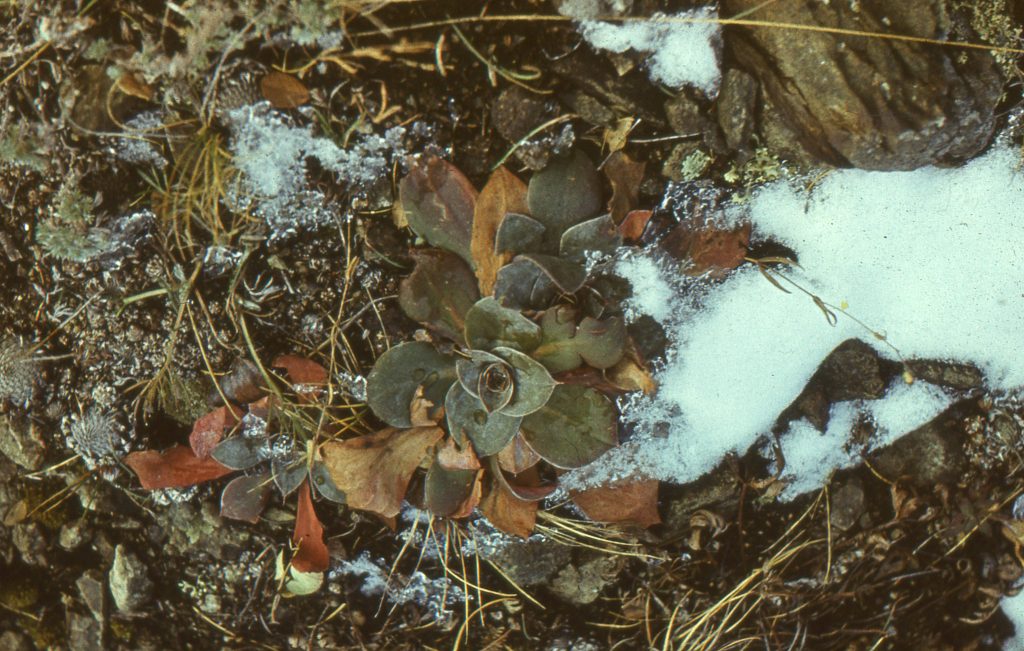
As summer winds down and temperatures start to dip, many growers, landscapers, and home gardeners instinctively think of winding down their efforts. It’s easy to believe the hard work is over once the growing season ends. But the truth is, what you do now — before the first hard frost — can make all the difference in how well your crops, turf, or ornamentals perform next year.
Fall fertilization is more than a seasonal chore. It’s a strategic application that addresses your soil’s current needs while preparing the plant and root systems for dormancy and spring rebound. Understanding what the soil actually needs at this time of year — not just dumping leftover fertilizer — is what separates casual growers from those who produce results year after year. In this article, we’ll unpack the science behind fall fertilization, explore the nutrient priorities of your soil during the cool-down period, and help you decide what to apply and when. Whether you’re managing large acreage or refining a backyard food plot, the information here will help you make smarter, more impactful fertilization decisions this fall.
What Happens to Soil in the Fall?
Fall brings a dramatic shift in soil biology and chemistry. As air temperatures drop, so do soil temperatures. Microbial activity slows down, especially below 50°F. This means that organic matter breaks down more slowly, reducing the natural release of nutrients like nitrogen, phosphorus, and potassium. For warm-season crops and grasses, metabolic activity decreases, and for cool-season varieties, there’s one last surge of growth before winter sets in.
Moisture patterns also change. Fall rains or early snows can leach nutrients from the soil, especially nitrogen, which is highly mobile. If your soil isn’t fortified properly, you risk losing fertility over the winter. This is why many agronomists and experienced growers recommend applying a balanced, slow-release fertilizer before the soil locks up for winter.
Why Fertilize in the Fall?
Here are the key reasons to fertilize in the fall:
- Root Recovery and Development
Fall is root season. Plants are redirecting energy from foliage to roots. A strong root system helps winter hardiness and allows a better start in spring. Applying a fertilizer rich in phosphorus and potassium encourages this root development and builds carbohydrate reserves.
- Disease Recovery
Summer stresses — heat, drought, pests — can deplete your plant’s natural defenses. Applying a nutrient-rich fertilizer in fall helps rebuild strength and immunity, especially in lawns, perennials, and fruit trees.
- Soil Conditioning
Fall fertilizers don’t just feed plants — they enrich the soil. Adding micronutrients and organic matter helps replenish what’s been taken up during the growing season, especially in intensively farmed areas.
- Improved Spring Response
Fertilizer applied in fall is slowly absorbed and stored in the root zone, ready to support early spring growth without waiting for your first spring application.
Which Nutrients Matter Most in Fall?
Not all nutrients behave the same way in fall conditions. A fall fertilizer should be customized to suit soil needs, crop types, and climate, but here’s a breakdown of what typically matters most:
Nitrogen (N)
Nitrogen is essential for leaf and shoot growth, but excessive nitrogen in fall can be a mistake. High levels promote tender new growth that’s vulnerable to frost. However, moderate nitrogen levels — especially from slow-release sources — can help root metabolism and recovery from summer stress. Aim for balanced or reduced nitrogen levels in fall unless your crop requires otherwise.
Phosphorus (P)
Phosphorus is a fall superstar. It stimulates root development and energy transfer within the plant, preparing it for overwintering. It’s especially crucial for establishing new lawns, repairing perennial beds, or setting garlic and overwintering vegetables.
Potassium (K)
Potassium helps harden plants for winter. It improves cell wall structure, disease resistance, and drought tolerance. Fall applications of potassium-rich fertilizers help fortify turfgrass, fruit trees, ornamentals, and cover crops against winter injury.
Micronutrients
Micronutrients like zinc, boron, manganese, and iron are often overlooked, but they play vital roles in enzyme activation, photosynthesis, and disease resistance. If your crops showed signs of deficiency this season, fall is a good time to replenish your soil bank.
The Best Fertilizer for Fall? A Look at Triple 10 with Micronutrients
A go-to solution for many growers is a balanced fertilizer with a full spectrum of macro and micronutrients. Triple 10 with Micronutrients is one of the most versatile options you can use in fall. It provides a 10-10-10 blend of nitrogen, phosphorus, and potassium, along with vital micronutrients.
Here’s why it’s ideal for this time of year:
- Provides moderate nitrogen for metabolic recovery, not excessive leafy growth
- Phosphorus and potassium are well-balanced for root strength and winter protection
- Includes micronutrients that improve overall plant resilience
- Granular form allows for slow, consistent release
- Suitable for lawns, fruit trees, ornamental beds, and fall vegetables
This makes it especially valuable for home gardeners, commercial landscapes, and small-acreage farmers looking for a single product that can serve a wide variety of needs.
Timing Matters: When to Apply Fall Fertilizer
The ideal window for fall fertilization is when the weather has cooled but the soil is still workable. This typically falls between early September and mid-October in most parts of the United States. Aim for:
- Soil temperatures between 50°F and 65°F
- Moisture availability from rain or irrigation
- Dormancy setting in for warm-season grasses or final flush for cool-season crops
Avoid applying fertilizer too late, when the ground is frozen or snow-covered, as this increases runoff and reduces efficacy. Use a soil thermometer and weather forecast as your guide.
How to Apply Fall Fertilizer
The key to effective fall fertilization is even distribution and proper rate calculation. Whether broadcasting on turf or side-dressing vegetables, follow these steps:
- Test Your Soil
A DIY soil test kit or professional lab analysis helps determine your soil’s exact needs.
- Choose the Right Product
For most general applications, use Triple 10 with Micronutrients.
- Calculate the Right Rate
Read the label instructions and adjust according to your soil test results. Avoid over-application.
- Apply Evenly
Use a broadcast spreader for lawns or rows and a hand-held spreader for garden beds.
- Water It In
Moisture activates the nutrients. Apply before rainfall or irrigate lightly after spreading.
- Avoid Runoff Zones
Don’t apply fertilizer near storm drains, ditches, or water bodies.
Special Considerations by Plant Type
Lawns
Cool-season grasses like fescue and rye benefit greatly from fall feeding. Apply Triple 10 in September and again in late October if needed. For warm-season grasses like Bermuda, apply earlier and taper off before dormancy.
Trees and Shrubs
Fall fertilization helps woody plants store nutrients and resist winter injury. Focus on potassium and micronutrients, and avoid high nitrogen late in the season.
Perennials and Flower Beds
Use fall fertilization to rejuvenate beds after summer bloom. Apply around the root zone, not directly on crowns.
Fall Vegetables and Garlic
Leafy greens, brassicas, and garlic all benefit from a late-season nutrient boost. Ensure soil pH is correct and apply phosphorus-rich products to encourage healthy root development.
Should You Use Organic or Synthetic?
This depends on your growing philosophy and soil condition. Organic fertilizers like compost and fish emulsion break down slowly and enrich soil structure, but may lack immediate availability in cold soils. Synthetics like Triple 10 provide quicker results, especially when applied before soil temperatures drop.
Many growers use a hybrid approach: apply a synthetic base fertilizer like Triple 10, then top-dress with compost or mulch to add organic matter and protect the soil surface.
Fall fertilization is not about rushing to use leftover bags before winter. It’s about making strategic decisions that support soil structure, root strength, and nutrient storage through the dormant season. The right blend of nutrients applied at the right time sets you up for a more productive, stress-resilient spring — no matter what you’re growing.
Have questions about application timing, rates, or compatibility with your specific crops? Reach us through our contact form, message us on Facebook, call 503-451-1622, or email sales@mysolutionssupply.com. Supply Solutions LLC is here to help anytime, any day.