

Uncategorized
Feeding Raised Beds After The Spring Nutrient Flush
Raised beds can look strong in spring and then change quickly in June. That is one of the reasons gardeners like them. They warm faster
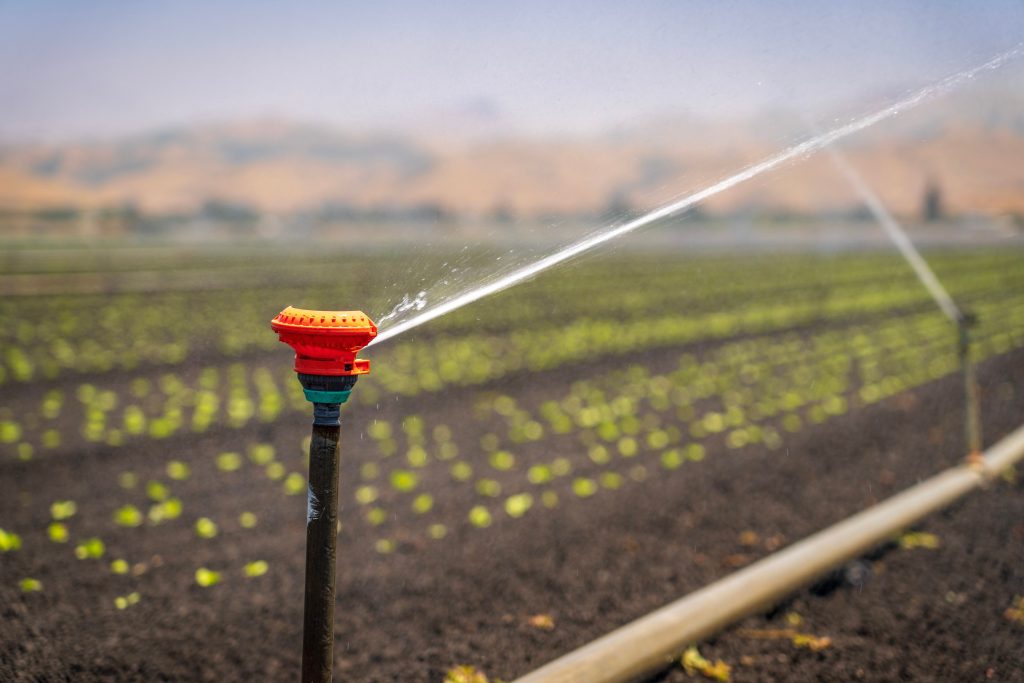
June is when watering and fertilizer stop being separate jobs.
In spring, a grower may get by with fertilizer on one day and rain on another. Soil moisture is often more forgiving. Roots are still developing. Temperatures may be mild enough that a plant can handle a little inconsistency. A garden bed may stay moist for several days after rain. A lawn may green up from natural spring moisture. A young crop may grow slowly enough that nutrient demand is not yet intense.
June changes that.
Heat builds. Wind dries leaves. Plants grow faster. Tomatoes and peppers begin flowering and setting fruit. Cucumbers and squash start running. Corn stretches. Lawns are mowed more often. Flower beds are expected to hold color. Containers may need daily water. Fruit trees and berries are sizing fruit. Landscapes near pavement heat up quickly. Raised beds dry from the sides. Sandy soils lose water faster. Clay soils may crust and shed irrigation before roots receive it.
At this point in the season, fertilizer timing depends on water timing.
A fertilizer application cannot do much if the soil is too dry for nutrients to move. It can also perform poorly if soil is saturated and roots are short on oxygen. Calcium cannot reach developing fruit without steady water movement. Potassium does not support heat tolerance if roots cannot access it. Nitrogen can burn or waste if applied under poor moisture conditions. Organic products need moisture and soil activity to release nutrients. Water-soluble products need an active root zone, not a stressed one.
The best June fertility decisions begin with a simple question: can the plant use this application today?
That question includes soil moisture, root condition, weather, crop stage, and irrigation method. The right product at the wrong water timing can underperform. The right water at the wrong rate can run off. The right fertilizer in a dry container can stress roots. The right calcium product in an uneven watering program may still leave fruit quality problems.
For this June topic, three Supply Solutions products fit naturally: Aqua Drive, HumiPro(K) WSP, and Calcium Nitrate 15.5-0-0 + 19% Ca. Aqua Drive supports water penetration where runoff, dry spots, or tight soil limit irrigation efficiency. HumiPro(K) WSP supports root-zone conditioning and nutrient movement. Calcium Nitrate supports soluble calcium and nitrate nitrogen when fruiting crops need calcium during active growth.
Used correctly, these products help irrigation and fertility work together instead of fighting each other.
June plants are larger than spring plants.
That larger canopy uses more water. More leaves mean more transpiration. More flowers and fruit mean more nutrient demand. More root growth means more potential uptake, but also more demand for oxygen and moisture. A crop that tolerated mild stress in May may respond differently in June because it is carrying more biological workload.
A tomato plant in June may be supporting leaves, flowers, and early fruit at the same time. A pepper plant may be trying to set fruit while heat rises. A cucumber plant may be producing new vines and fruit every few days. A lawn may be recovering from mowing while also handling foot traffic and heat. A hanging basket may be using most of its available moisture in one day.
Under those conditions, timing matters more.
If fertilizer is applied to dry soil, nutrients may sit near the surface or concentrate around roots instead of moving evenly. If fertilizer is applied before a heavy storm, runoff or leaching may waste part of the application. If soluble fertilizer is applied to a wilted plant, roots may be too stressed to use it safely. If calcium is applied without consistent moisture afterward, developing fruit may still receive an uneven supply.
June does not allow as much room for sloppy timing.
The plant is asking for steady support. Fertility and water need to be planned together.
Most nutrients need soil water to reach roots.
Some nutrients move with water flow. Some move by diffusion through thin films of water around soil particles. Either way, a dry root zone slows nutrient movement. The fertilizer may be in the soil, but the plant cannot access it efficiently.
This is why a plant can look hungry during a dry spell even after fertilizer has been applied.
The product may not be wrong. The timing may be wrong. If the fertilizer was applied when the soil was dry and not watered in properly, nutrients may not have reached the active roots. If the top inch was wetted but the deeper root zone stayed dry, the plant may still be underfed. If a container was watered quickly and water ran down the side of the root ball, the center may remain dry and nutrients may move unevenly.
In June, always connect fertilizer with water movement.
Granular products generally need water to move into the root zone. Water-soluble products need enough moisture to distribute evenly and enough drainage to avoid salt concentration. Organic products need moisture to support breakdown. Calcium products need water movement through the plant.
The application is not finished when fertilizer hits the soil. It is finished when the product reaches an active root zone under conditions where roots can use it.
Dry soil slows nutrient uptake, but saturated soil can be just as damaging.
Roots need oxygen. When soil pores are filled with water for too long, oxygen becomes limited. Roots slow down. Nutrient uptake weakens. Plants may yellow, wilt, or stall even though the soil is wet. Fertilizing into this situation often disappoints because the plant cannot respond properly.
This is common in June after thunderstorms.
A garden bed may receive heavy rain, then a grower sees yellow leaves and assumes the crop needs fertilizer. But if the roots are sitting in saturated soil, the first problem is oxygen, not fertility. A lawn may yellow in low areas after repeated rain because roots are stressed. A container without good drainage may look hungry because roots are damaged by wet conditions.
The correct response is to let the root zone breathe.
Do not force fertilizer into saturated soil. Wait until drainage improves and roots are active again. In heavy soils, avoid walking, mowing, or cultivating while wet because that creates compaction and makes the problem worse.
Fertilizer works through roots. If roots cannot breathe, the fertilizer program has to wait.
Aqua Drive fits June because water movement becomes one of the biggest limits to fertilizer performance.
Aqua Drive is used as a liquid soil conditioner and lawn aerator to support water penetration and root-zone movement. It is especially useful where water runs off, dry spots form, or irrigation does not soak evenly into the soil.
The problem Aqua Drive helps solve is poor infiltration. In lawns, this may show up as dry patches even after watering, runoff on slopes, compacted mower paths, or turf that wilts quickly in heat. In gardens, it may show up as water running down rows instead of soaking in. In flower beds, it may show up as dry root balls inside surrounding soil. In clay areas, it may show up as puddling followed by crusting. In landscape beds, it may show up as irrigation moving over mulch and away from roots.
The timing is June before plants are under severe summer stress. Applying Aqua Drive when roots are active and irrigation demand is rising can help support better water movement before dry spells become harder to manage.
It is especially relevant before fertilizer applications. If water is not entering the root zone, fertilizer will not move evenly either. Improving water penetration can help the next fertility pass perform more consistently.
The caution is that Aqua Drive is not a replacement for proper irrigation design, drainage correction, or physical aeration where those are needed. If a lawn has severe compaction, if a bed is poorly graded, or if water is trapped by construction layers, additional correction may be required. Aqua Drive works best as part of a broader program that includes proper watering, reduced traffic on wet soil, soil testing, and good fertility timing.
HumiPro(K) WSP fits the June irrigation-fertility connection because it supports the soil environment where roots, nutrients, and water interact.
HumiPro(K) WSP is a humic and fulvic acid product used to support root-zone conditioning, nutrient movement, and soil function. It is not primarily an NPK fertilizer. Its role is to help the root zone work more efficiently so plants can make better use of moisture and nutrients already being supplied.
The problem HumiPro(K) helps solve is inefficient nutrient movement and weak root-zone performance. In June, this can show up as uneven fertilizer response, poor recovery after stress, shallow rooting, inconsistent plant color, or crops that seem unable to use fertilizer well even when products have been applied.
The timing is early to mid-June when roots are active and summer stress is increasing. It fits gardens, lawns, turf, crops, orchards, berries, flower beds, nursery plants, landscapes, and raised beds where root-zone support is part of the fertility program.
HumiPro(K) is especially useful when paired with irrigation. It should reach the soil and active root zone, not sit on dry mulch or run off the surface. Apply when there is enough soil moisture to carry the product into the root zone, but not when soil is saturated and oxygen-limited.
The caution is expectation. HumiPro(K) does not replace nitrogen, potassium, calcium, phosphorus, magnesium, or sulfur when those nutrients are deficient. It also does not repair severe compaction or drainage problems by itself. Its best role is supporting root-zone function so water and fertilizer can work more effectively together.
Calcium Nitrate 15.5-0-0 + 19% Ca is highly relevant in June because many fruiting crops are moving into flowering, fruit set, and fruit sizing.
It supplies water-soluble calcium and nitrate nitrogen. The calcium supports cell wall strength and fruit quality. The nitrate nitrogen supports active growth. This combination can be useful for tomatoes, peppers, cucumbers, melons, squash, greenhouse crops, raised beds, containers, and other fruiting systems where soluble calcium is needed.
The problem Calcium Nitrate helps solve is active calcium demand during rapid growth and fruit development. It is especially useful before blossom end rot or calcium-related fruit quality problems become widespread.
The timing is June when plants are established, roots are active, and early fruit development is underway. Apply before symptoms become common, not after damaged fruit is already present.
But Calcium Nitrate also shows why irrigation timing matters so much.
Calcium moves through the plant with water. If the soil dries out, calcium movement slows. If moisture swings sharply from dry to wet, fruit may receive calcium unevenly. If roots are saturated and oxygen-starved, uptake slows. If a container tomato dries out every afternoon, Calcium Nitrate alone will not prevent fruit issues. If a raised bed dries around the edges, peppers may still show calcium stress.
The caution is nitrogen. Calcium Nitrate supplies nitrate nitrogen, so it should be used carefully on plants that are already lush, dark green, and overly vegetative. The goal is to support calcium and healthy growth, not push excessive leaf growth before heat.
Calcium Nitrate performs best when irrigation is steady, roots are healthy, and the plant can move calcium consistently.
In June, many plants should be watered before they are fertilized.
This is especially true if the soil is dry, the plant is wilted, or the container is light. Feeding a dry root zone can concentrate fertilizer around stressed roots. It can also reduce nutrient distribution because dry soil may not absorb water evenly. In containers, a dry root ball may shed fertilizer solution down the sides and out the drainage holes.
Water first.
Rehydrate the root zone. Let the plant recover. Then apply fertilizer when the roots are active enough to use it.
This matters for Calcium Nitrate because soluble calcium needs water movement. It matters for HumiPro(K) WSP because the product should move into the soil environment where roots are functioning. It matters for Aqua Drive because infiltration support works best when the soil can receive the application.
A wilted plant is not always ready to feed. Sometimes it needs water and recovery first.
A light or moderate rain after fertilizer can be helpful.
A hard storm can be a problem.
In June, thunderstorms can drop water faster than soil can absorb it. Fertilizer applied right before a heavy storm may move off target, especially on slopes, compacted lawns, bare soil, clay crusts, or beds with poor infiltration. Granular fertilizer can wash into low spots. Soluble nutrients can move too fast through sandy soils. Mulch can shift. Runoff can carry nutrients away from the intended root zone.
The forecast should be part of fertility timing.
If a slow soaking rain is expected, it may be a good opportunity to apply certain products. If heavy downpours are expected, it may be better to wait. This is especially true for lawns, gardens on slopes, field edges, and beds near hard surfaces.
Aqua Drive can help support infiltration where runoff is common, but it should still be used with weather awareness. HumiPro(K) WSP should reach the root zone, not leave the site with runoff. Calcium Nitrate should be applied when roots can use soluble calcium and nitrogen, not when heavy rain may move nutrients away.
Good timing protects both the crop and the investment.
Containers are the least forgiving place to separate irrigation and fertilizer.
A container has limited root volume. It dries quickly. It leaches nutrients with every watering. It can also accumulate salts if fertilizer is applied too strongly or drainage is poor. A patio tomato, pepper, citrus pot, berry container, herb planter, or hanging basket can change from moist to stressed in one hot day.
Fertilizer timing in containers should be careful.
Do not feed when the container is dry and wilted. Water first and make sure the entire root ball is moist. Let excess water drain. Then feed at the correct rate. Do not let fertilizer solution sit in a saucer around the roots.
Calcium Nitrate can fit container fruiting crops where soluble calcium and nitrate nitrogen are needed, but it must be used carefully because the root zone is small. A dry container tomato can still develop blossom end rot even if calcium is being supplied because calcium movement is interrupted by moisture swings.
HumiPro(K) WSP can fit container programs where root-zone support and nutrient movement are part of the plan, but it should be applied to moist media and allowed to move through the root zone.
Aqua Drive may fit larger container or soil-media situations where water penetration is a concern, but drainage and pot size still matter.
Containers need smaller, more consistent care. Strong corrections are more risky in small root zones.
Raised beds are useful because they warm quickly and drain well.
In June, those same benefits can become challenges. Raised beds dry faster than in-ground soil. Edges and corners dry first. Beds filled with light, organic-rich mixes may lose water and nutrients quickly. Shallow raised beds may not hold enough moisture to support fruiting crops through hot afternoons.
This affects fertilizer timing.
A raised bed that looks fine on top may be dry near active roots. A bed may be watered lightly every day but never deeply enough. Nutrients may stay in the top layer while roots are deeper. Or fertilizer may leach faster under frequent watering.
Before feeding a raised bed, check moisture several inches down. If the bed is dry, water deeply first. Then apply fertilizer when moisture is adequate.
Calcium Nitrate can fit raised-bed tomatoes, peppers, cucumbers, squash, and other fruiting crops that need soluble calcium during June. But the bed must stay consistently moist enough for calcium movement.
HumiPro(K) WSP can support root-zone conditioning and nutrient movement in raised beds, especially where the mix dries unevenly or plants are showing inconsistent response.
Aqua Drive can support water penetration where raised bed media has become difficult to rewet or where water runs off the surface.
Raised beds perform best when watering is deep, fertilizer is timely, and mulch protects the root zone.
Clay soil often holds nutrients, but water movement can be difficult.
In June, clay can stay wet after storms and then dry into a hard surface. Irrigation may run off before soaking in. Roots may stay shallow if the soil was compacted or oxygen-limited earlier. Fertilizer may sit near the surface instead of moving into the active root zone.
Clay soils usually need slower watering.
A long fast irrigation cycle may create runoff. Shorter cycles with rest periods can allow water to enter gradually. This is especially useful on lawns, slopes, compacted areas, and garden beds with crusting.
Aqua Drive fits clay situations where water penetration is limiting performance. It can help support infiltration before fertilizer applications, making it easier for nutrients to reach the root zone.
HumiPro(K) WSP supports root-zone function and nutrient movement where clay soil conditions are limiting efficiency.
Calcium Nitrate can fit fruiting crops in clay soils when calcium and nitrate nitrogen are needed, but only when roots are not waterlogged and moisture movement is steady.
Do not fertilize saturated clay because plants look yellow. Let the soil drain first. Roots need oxygen before they can use nutrients.
Sandy soils have the opposite problem.
They drain quickly, warm quickly, and often dry quickly. They hold fewer nutrients than clay or loam soils. Nitrogen, sulfur, potassium, magnesium, and other soluble nutrients can move through the root zone faster, especially after heavy rain or frequent irrigation.
In June, sandy soils require closer timing.
One large fertilizer application may not hold as long as expected. A dry spell can limit nutrient movement. A heavy rain can move nutrients too deeply. Irrigation may need to be more frequent but still managed carefully to avoid leaching.
HumiPro(K) WSP can support root-zone conditioning and nutrient efficiency in sandy soils where nutrients and water move quickly.
Aqua Drive may fit sandy areas where water repellency, dry spots, or uneven wetting occur, especially in turf or landscape beds.
Calcium Nitrate can be useful in sandy-soil fruiting crops where soluble calcium and nitrate nitrogen are needed, but timing and irrigation should prevent leaching beyond roots.
Sandy soils reward smaller, better-timed applications and careful moisture monitoring.
June lawn feeding should never ignore water.
Turf may still look green early in the month, but heat and traffic can change that quickly. Fertilizer applied to a dry lawn can stress turf. Fertilizer applied before runoff can be wasted. Nitrogen applied without enough water can create uneven response. Potassium support works best when roots are active and soil moisture is adequate.
Water movement is especially important in lawns with compaction, slopes, clay soil, or dry patches.
Aqua Drive fits turf where irrigation runs off, dry spots develop, or water is not entering evenly. It helps support the water movement that makes lawn fertility more effective.
HumiPro(K) WSP can fit lawns where root-zone conditioning and nutrient movement are part of the summer program.
Calcium Nitrate is not usually the main June lawn product compared with turf-specific fertilizers, but it may have uses in certain managed systems where soluble calcium and nitrate nitrogen are appropriate. For most home lawn discussions in this article, Aqua Drive and HumiPro(K) are the more natural fits.
Mow properly, water deeply, and avoid heavy feeding during drought stress. A lawn should be actively growing and able to use fertilizer before it is fed.
Tomatoes, peppers, cucumbers, squash, melons, and other fruiting crops show how closely irrigation and fertilizer are connected.
Calcium-related fruit problems often begin before they are visible. A tomato may develop blossom end rot because calcium movement was interrupted days earlier when the root zone dried out. A pepper may show fruit damage after a period of uneven moisture. A melon or squash plant may struggle with fruit quality when roots are stressed during rapid fruit expansion.
Calcium Nitrate fits these crops when soluble calcium and nitrate nitrogen are needed during active growth.
But the product must be paired with water consistency.
Water deeply and evenly. Avoid repeated dry-down. Mulch warm soil to reduce swings. Keep containers from wilting daily. Do not flood after severe drought stress. Avoid saturating roots. Keep irrigation consistent during flowering and early fruit sizing.
If calcium is applied but watering remains uneven, fruit quality problems can continue. The crop is not only asking for calcium. It is asking for calcium movement.
June is the prevention window.
Organic fertilizers are sometimes treated as if timing matters less because they release more slowly.
Timing still matters.
Organic products need moisture, soil contact, oxygen, and microbial activity. If the soil is dry, breakdown slows. If the soil is saturated, root activity and oxygen are limited. If dry organic fertilizer is left on top of mulch, it may not reach the soil. If liquid organic feed is applied to a wilted container, roots may not use it well.
Even though this article focuses on Aqua Drive, HumiPro(K), and Calcium Nitrate, the same June principle applies to organic programs.
Water first when soil is dry. Let saturated soil drain. Pull mulch back when applying dry products. Apply liquids to moist, active root zones. Avoid feeding during the hottest part of the day when plants are wilted from stress.
HumiPro(K) can fit organic-minded soil programs where root-zone support and nutrient movement are important, but it still needs proper moisture and placement.
Organic fertility works with soil biology, and soil biology needs water and air.
Not all watering methods move fertilizer the same way.
Overhead sprinklers wet leaves and soil surface. They can be useful for lawns and broad areas, but they may be inefficient in windy conditions or where disease-sensitive crops are dense. Drip irrigation places water near roots and can improve efficiency, but it only wets part of the soil profile. Soaker hoses work well when placed correctly, but they can water unevenly if pressure or slope changes. Hand watering can be accurate, but it is often too shallow unless done patiently.
Fertilizer placement should match irrigation method.
If fertilizer is spread outside the wetting zone of drip irrigation, roots may not access it well. If granular fertilizer is applied on dry bed edges but water only reaches the center, response will be uneven. If a water-soluble product is applied by hand but the soil is too dry, it may not distribute evenly. If a lawn sprinkler causes runoff, fertilizer may move off target.
Aqua Drive can support water penetration where irrigation method is limited by soil surface behavior. HumiPro(K) WSP should be applied in a way that reaches the active root zone. Calcium Nitrate should be placed and watered so calcium reaches active roots.
The irrigation pattern decides where fertilizer can work.
June heat makes time of day more important.
Watering early in the morning is often useful because plants enter the day with moisture, leaves can dry if overhead watering is used, and less water is lost to evaporation compared with midday watering. Evening watering can be useful in some situations, but it can leave foliage wet overnight and increase disease risk in dense crops or humid conditions. Midday watering may be necessary during emergency stress, but it is not always the best routine for fertilizer applications.
Fertilizer should generally be applied when plants are not under peak heat stress.
A wilted plant at 3 p.m. may need water, not fertilizer. A container that has baked all day should be rehydrated carefully before feeding. A lawn under midday heat should not receive a strong fertilizer push.
For Calcium Nitrate, apply when plants can take up water steadily afterward. For HumiPro(K) WSP, apply when the root zone can receive and hold the product. For Aqua Drive, apply as part of a planned water movement program rather than a rushed heat-of-day reaction.
Early, steady management usually beats emergency correction.
After adjusting irrigation and fertilizer timing, watch the new growth.
Old damaged leaves may not recover fully. A tomato fruit that already developed blossom end rot will not heal. A lawn blade that turned brown may not green again. A flower damaged by drought may drop. The better sign of improvement is what happens next.
New leaves should show better color. Plants should recover from afternoon heat more quickly. Fruit set should become more consistent. Turf should respond more evenly. Containers should hold moisture longer after proper watering. Flower beds should maintain color between irrigation cycles. Roots should become more active.
If there is no improvement, keep diagnosing.
The product may not have matched the problem. Moisture may still be uneven. Soil pH may be limiting uptake. Roots may be damaged. Potassium, magnesium, or nitrogen may be the real shortage. Disease or insects may be involved. In compacted areas, physical aeration or soil correction may still be needed.
June management is a feedback loop. Apply, water, observe, adjust.
Before the next fertilizer application, walk the growing area.
Check soil moisture below the surface. Look for runoff, dry spots, puddles, crusting, compacted paths, and areas that wilt first. Look at containers separately from beds. Check raised bed edges. Compare low spots and high spots. Notice whether plants recover overnight after wilting.
Then review the product choice.
Use Aqua Drive where water is not entering evenly, irrigation is running off, dry spots are forming, or compacted surfaces are limiting moisture movement. Apply before severe stress and as part of a broader water-management program.
Use HumiPro(K) WSP where root-zone conditioning, nutrient movement, and soil function need support. It fits June programs where plants are active and the grower wants water and fertilizer to work more efficiently together.
Use Calcium Nitrate 15.5-0-0 + 19% Ca where fruiting crops need soluble calcium and nitrate nitrogen during active growth, flowering, and early fruit development. Use it before calcium-related problems become widespread and pair it with steady moisture.
Then time the application.
Do not feed dry, wilted plants before watering. Do not fertilize saturated soil. Avoid heavy runoff-producing storms. Water in products properly. Keep applications in the active root zone. Watch plant response in the following new growth.
June does not reward random fertilizer applications.
The season is too active. Plants are too demanding. Water movement is too important. Heat, wind, fruiting, mowing, bloom cycles, and daily watering all increase the need for careful timing.
The grower who coordinates irrigation and fertility usually gets better results from the same product. Nutrients move more evenly. Roots stay more active. Calcium reaches fruit more consistently. Lawns respond more uniformly. Containers avoid dry-root stress. Flower beds hold color longer. Crops move through early summer with fewer sudden setbacks.
The goal is not to water more or fertilize more. The goal is to make both jobs work together.
Supply Solutions offers practical products for that June connection. Aqua Drive helps support water penetration where runoff, dry spots, or tight soil limit irrigation efficiency. HumiPro(K) WSP supports root-zone conditioning, nutrient movement, and soil function so plants can make better use of water and fertilizer. Calcium Nitrate 15.5-0-0 + 19% Ca supports soluble calcium and nitrate nitrogen for fruiting crops that need calcium movement during active June growth. Used with steady irrigation, proper timing, healthy roots, and careful observation, these products help farmers, gardeners, landscapers, turf managers, and container growers make fertilizer applications count when summer demand is rising. Contact Supply Solutions for help choosing the right irrigation and fertility timing program for fields, gardens, lawns, containers, fruiting crops, or landscapes.
Raised beds can look strong in spring and then change quickly in June. That is one of the reasons gardeners like them. They warm faster

June is when watering and fertilizer stop being separate jobs. In spring, a grower may get by with fertilizer on one day and rain on
Give us a call or visit our store, and we’ll help you find the right solution for your business.
© Supply Solutions LLC 2026