
Uncategorized
Feeding Raised Beds After The Spring Nutrient Flush
Raised beds can look strong in spring and then change quickly in June. That is one of the reasons gardeners like them. They warm faster
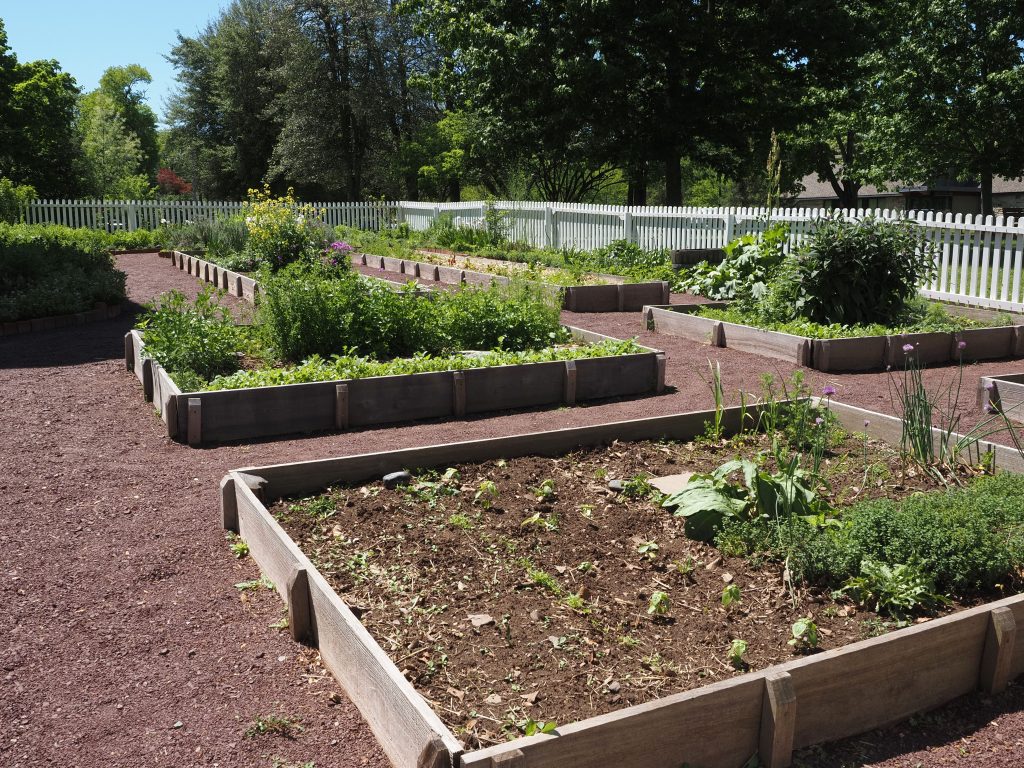
Raised beds can look strong in spring and then change quickly in June.
That is one of the reasons gardeners like them. They warm faster than surrounding soil. They drain better after spring rain. They are easier to plant, easier to weed, and easier to manage in small spaces. Tomatoes, peppers, cucumbers, squash, beans, lettuce, herbs, flowers, strawberries, onions, carrots, and cut flowers often get off to a good start in a raised bed.
But raised beds also have less reserve than many people think.
A raised bed is not the same as a deep field soil. It has edges. It has a defined volume. It warms faster, dries faster, and often receives more frequent watering. Many raised beds are filled with compost-heavy mixes, topsoil blends, peat-based materials, bark fines, manure compost, or bagged garden soil. Those materials can release nutrients quickly in warm spring conditions, but they can also leach nutrients once watering increases.
By June, the spring nutrient flush may be fading.
Early growth may have used much of the available nitrogen. Rain may have moved soluble nutrients downward. Daily watering may have leached nutrients from the upper root zone. Lettuce and early greens may have already been harvested, pulling nutrients from the bed. Tomatoes and peppers may be shifting from establishment to fruiting. Cucumbers and squash may be growing fast enough to outpace the soil’s natural supply. Herbs may need lighter support after cutting. Flowers may be blooming harder than the bed can sustain.
That is when raised beds need a midseason review.
The answer is not always heavy feeding. Some beds are still rich from compost and need restraint. Some beds need a balanced fertilizer because overall fertility is running low. Some beds need potassium because crops are moving into flowering and fruiting. Some beds need a gentle liquid feed because roots are active but the plants do not need a hard push. Some beds need water consistency more than fertilizer. Some need mulch. Some need a soil test because repeated compost and fertilizer use can build certain nutrients while others fall short.
For June raised beds, three Supply Solutions products fit naturally: 10-10-10 Complete Lawn & Garden Granular Fertilizer With Micronutrients, 7-0-26 Organic Fertilizer, and Pacific Bounty Liquid Fish Fertilizer. Each one has a different place after the spring nutrient flush. The right choice depends on what is growing, how the bed was prepared, how much rain or irrigation it has received, and whether the crop is leafy, fruiting, flowering, or recovering after harvest.
Raised beds respond quickly because they are exposed on more sides than ground-level soil.
The sun warms the top. Air moves around the sides. Water drains downward. Roots are working in a smaller, more defined zone. That can be a benefit in spring because beds warm early and avoid the wet, cold conditions that slow many crops. In June, the same features can create stress.
A raised bed can dry faster than the garden soil beside it.
The surface may look moist after watering, but the middle of the root zone may be drying. Or the top layer may dry while deeper compost-heavy material stays wet. Edges often dry first. Plants near the sides may wilt sooner than plants in the center. Beds made from dark materials can heat up along the edges. Shallow beds have less water reserve than deep beds.
Nutrients move with that water pattern.
If a bed receives frequent irrigation, soluble nutrients can move downward. If rain is heavy, nitrogen and other mobile nutrients may not stay where young roots are active. If watering is light and shallow, fertilizer may remain near the surface and not reach the root zone evenly. If the bed dries hard, nutrient movement slows. If the bed stays saturated, roots lose oxygen and cannot take up nutrients well.
Raised beds are productive because they are responsive. They also need closer observation for the same reason.
Many raised beds start the season with a strong nutrient flush.
Compost begins releasing nutrients as the soil warms. Organic matter becomes more active. Previous fertilizer applications become available. Cool-season crops respond quickly. Transplants root in. Seeds germinate. The bed looks alive and generous.
By June, that flush may have been used, leached, or shifted.
Leafy greens may have pulled nitrogen heavily. Fast crops may have removed nutrients with harvest. Tomatoes and peppers may be moving into a stage where potassium and calcium matter more. Cucumbers and squash may be growing vines, flowers, and fruit at the same time. Repeated watering may have reduced soluble fertility in the active root zone.
This is where gardeners often misread the bed.
A raised bed that was fertile in April may not still be balanced in June. A bed that grew beautiful lettuce may not automatically have enough potassium for fruiting peppers. A bed rich in compost may have plenty of phosphorus but still need nitrogen or potassium depending on the crop. A bed that has been watered daily may have lost more soluble nutrients than expected.
The soil has already done work. June feeding should replace what is missing without overloading what is already present.
10-10-10 Complete Lawn & Garden Granular Fertilizer With Micronutrients fits raised beds that need broad, balanced nutrition after spring growth has drawn down fertility.
Its 10-10-10 analysis supplies nitrogen, phosphorus, and potassium evenly. The nitrogen supports leaf growth and general vigor. The phosphorus supports root development and plant energy processes. The potassium supports water regulation, plant strength, and stress tolerance. The micronutrients help cover smaller nutrient needs that can matter in mixed garden beds.
The problem 10-10-10 helps solve is general nutrient depletion. This can show up in beds where crops are pale, slow, uneven, or lacking vigor after early-season growth. It is especially useful in mixed raised beds where several crops are growing together and the bed needs a broad fertility reset rather than a single nutrient correction.
The timing is June after plants are established and actively growing, especially after early harvests or after heavy rain and watering have reduced available nutrients. It fits leafy crops, mixed vegetable beds, young transplants that have rooted in, annual flowers, herbs that need moderate support, and beds being replanted for summer crops.
The caution is crop stage. A balanced fertilizer contains nitrogen, phosphorus, and potassium. That is useful where all three are needed, but it may not be the best fit if the bed already has high phosphorus from years of compost or if fruiting crops mainly need potassium without more phosphorus. It should also be used carefully around crops that are already lush and leafy.
10-10-10 is a practical midseason tool when the raised bed needs general feeding, not when the crop needs a more targeted potassium program.
By June, many raised-bed crops are shifting toward flowering and fruiting.
Tomatoes are setting clusters. Peppers are forming buds and early fruit. Cucumbers are running. Squash are flowering. Melons may be establishing vines. Pole beans are climbing. Strawberries may be fruiting or recovering. Flowers are blooming heavily. These crops still need nitrogen, but potassium becomes more important as fruit and bloom demand increases.
Potassium supports water regulation, fruit development, stress tolerance, plant strength, and overall summer performance. It helps plants manage heat and moisture swings, both of which are common in raised beds.
A crop short on potassium may not always show obvious symptoms at first. Growth may look acceptable while fruit load is light. Then, as the plant begins carrying fruit, older leaves may show marginal yellowing or browning, plants may wilt more quickly, and production may become uneven. Flowers may continue, but fruit sizing can be slower than expected.
This is where a grower should not automatically reach for more nitrogen.
A tomato or pepper plant that is already green and growing may need potassium more than another leaf push. A cucumber vine carrying fruit may need support for production and water stress. A flower bed may need potassium to hold color through heat, not just nitrogen to grow more foliage.
7-0-26 Organic Fertilizer is a strong June fit for raised beds that are moving into fruiting and flowering.
Its analysis provides modest nitrogen with a much higher potassium level. That balance fits many raised-bed crops because they still need some growth support, but they increasingly need potassium for fruiting, water regulation, and heat tolerance.
The problem 7-0-26 helps solve is the transition from leafy growth to production. It supports crops that are established and beginning to carry flowers or fruit without turning the feeding program into a heavy nitrogen push. It is useful for tomatoes, peppers, cucumbers, squash, melons, pumpkins, beans, flowering annuals, and mixed beds where potassium demand is increasing.
The timing is June once plants are rooted, actively growing, and shifting into bloom or fruit set. It fits raised beds that have already had spring fertility but now need production support. It is also useful for gardeners who want an organic potassium-forward option.
The caution is that 7-0-26 still contains nitrogen. That modest nitrogen is useful in many cases, but it should still be counted. If plants are already dark green, overly leafy, and slow to flower, even modest nitrogen may not be needed right away. If the main issue is potassium only, a different potassium-only product may be considered in other programs. But within this raised-bed article, 7-0-26 is the natural fit where potassium support and light nitrogen both make sense.
Use 7-0-26 when fruiting crops need potassium support and still have enough active growth to use a measured nitrogen contribution.
Pacific Bounty Liquid Fish Fertilizer fits raised beds that need gentle organic feeding without a harsh push.
Liquid feeding can be useful in June because raised beds often change quickly. A plant may be recovering from transplanting, regrowing after harvest, or beginning to pale after repeated watering. A gentle liquid feed can support active growth while giving the grower more control than a heavy dry application.
The problem Pacific Bounty helps solve is mild nutrient demand during active growth. It is especially useful for herbs, young vegetables, patio crops, leafy regrowth, berries, container-adjacent beds, and mixed raised beds where plants need steady support but not a strong granular feeding.
The timing is June when plants are actively growing and roots are moist. It can be used after cutting herbs, after harvesting leafy greens, after transplant recovery, or between heavier soil feeding events. It also fits raised beds where gardeners want a softer organic approach and the plants are not showing severe deficiency.
The caution is expectation. Pacific Bounty is not a high-potassium fruiting fertilizer in the same way 7-0-26 is. It is also not a complete correction for a severely depleted bed that needs broad granular nutrition. It works best as gentle support, not as the only answer for every raised-bed nutrient problem.
Do not apply it to bone-dry, wilted roots as the first response. Water first, let plants recover, then feed.
Raised beds often contain several crops at different stages.
One section may have lettuce that is ready to harvest. Another may have young basil. A tomato may be flowering. Peppers may still be small. Cucumbers may already be producing. Carrots may be forming roots. Flowers may be blooming. A single fertilizer choice may not fit every plant perfectly.
That is why crop stage matters.
Leafy crops generally need enough nitrogen to maintain growth, but they should not be overfed to the point of soft, watery leaves. Fruiting crops need a shift toward potassium as flowers and fruit appear. Herbs need lighter feeding than heavy fruiting crops. Root crops should not be pushed too hard with nitrogen once roots are forming. Flowers need support for bloom and heat tolerance, not just foliage.
10-10-10 fits broad feeding where mixed crops need general nutrition.
7-0-26 fits established fruiting and flowering crops where potassium demand is rising.
Pacific Bounty fits gentle liquid support where plants need a mild boost, especially after harvest, transplanting, or frequent watering.
The best raised-bed feeding plan may use different products in different parts of the same bed, depending on what each crop is doing.
Many raised beds are filled with compost-heavy mixes.
Compost is valuable, but it is not neutral. It can contribute nutrients, especially phosphorus and potassium depending on the source. Manure-based composts can add significant fertility. Repeated annual compost additions can build nutrient levels over time. Beds may become rich in some nutrients while still short on others.
That is why more fertilizer is not always better.
A compost-rich bed may already have enough phosphorus. Adding a balanced fertilizer repeatedly may continue building phosphorus even if the crop mainly needs nitrogen or potassium. A rich bed may release nitrogen quickly in warm June soil, leading to lush leafy growth. Fruiting crops may become large but slow to set fruit if nitrogen is excessive.
Before feeding a compost-rich raised bed, look at plant behavior.
Are tomatoes dark green and leafy but slow to flower? Is basil soft and overly lush? Are peppers growing leaves but not setting? Are flowers producing foliage but fewer blooms? Those signs suggest caution with nitrogen.
In that case, 7-0-26 may be a better fit than a balanced fertilizer if potassium support is needed and only modest nitrogen is appropriate. Pacific Bounty should also be used with restraint in very rich beds. 10-10-10 is useful where general depletion is real, but it should not be applied by habit to beds already high in fertility.
Compost is part of the fertilizer program. Count it.
Raised beds need consistent moisture for fertilizer to work.
If a bed is dry, nutrients do not move well to roots. If a bed is saturated, roots cannot breathe. If the bed swings sharply from dry to soaked, nutrient uptake becomes uneven. This matters for every product.
Granular products like 10-10-10 and 7-0-26 should be watered into the root zone after application according to directions. They should not be left sitting on a dry surface. They should not be piled against stems. They should be applied where feeder roots can access nutrients.
Liquid products like Pacific Bounty should be applied to a moist, active root zone. A dry, wilted plant should be watered first. Let it recover, then feed. If the bed is saturated from storms, wait until roots can function again.
June watering should be deep enough to reach roots but not so frequent that the bed stays constantly wet. Mulch can help after soil has warmed. Drip irrigation or soaker hoses can help deliver water slowly. Hand watering can work, but it must be patient.
Fertilizer is only as effective as the water pattern that carries it.
Mulch is especially useful in June raised beds.
It reduces evaporation, moderates soil temperature, suppresses weeds, protects soil from crusting, and helps maintain a more consistent root zone. Straw, shredded leaves, composted bark, grass clippings used carefully, or other suitable garden mulches can help raised beds stay productive in heat.
But mulch changes how fertilizer should be applied.
If granular fertilizer is spread on top of thick mulch, much of it may stay in the mulch layer rather than reaching soil. That is especially important with 10-10-10 and 7-0-26. Pull mulch back before applying. Place fertilizer on the soil around the active root zone. Water it in. Then replace mulch lightly.
For Pacific Bounty, apply slowly enough that the liquid reaches the soil and does not just wet the mulch surface. If mulch is dry and water-repellent, water first to help it accept moisture.
Mulch should protect the root zone, not block feeding.
Raised beds often produce early greens before summer crops fully take over.
Lettuce, spinach, arugula, kale, chard, mustard greens, bok choy, and herbs may all be harvested heavily in spring and early summer. Cutting leaves removes nutrients from the bed. If the crop is expected to regrow, it needs support.
10-10-10 can fit leafy beds where general fertility has been drawn down and regrowth is desired. The nitrogen supports new leaves, while the phosphorus, potassium, and micronutrients support broader plant function.
Pacific Bounty can fit leafy crops and herbs after cutting when a gentle organic liquid feed is enough. It is especially useful for basil, parsley, chard, and other crops that need steady regrowth without a heavy application.
7-0-26 is usually more suited to fruiting and flowering crops than leafy regrowth, though it may fit mixed beds where potassium demand is rising.
The caution with leafy crops is softness. Too much nitrogen in June heat can make leaves tender and more prone to stress. Feed enough to support regrowth, but do not force excessive lushness.
Tomatoes in raised beds often start with strong growth, especially in compost-rich soil.
By June, they may be flowering and setting fruit. That is the point where feeding should become more balanced. Tomatoes still need nitrogen, but too much can push leaves at the expense of fruiting balance. Potassium becomes more important as fruit load increases. Water consistency becomes essential for calcium movement and fruit quality.
If a tomato bed is generally depleted and plants are pale or weak, 10-10-10 may fit as a balanced correction.
If tomatoes are established, green, and moving into fruiting, 7-0-26 may be the better June fit because it supports potassium demand with modest nitrogen.
If tomato plants need gentle support between feedings or are in a smaller raised bed where heavy granular feeding is not appropriate, Pacific Bounty can fit as a mild liquid feed.
The main caution is overfeeding. A tomato plant that is already dark green and leafy does not need more nitrogen simply because June has arrived. Check flowers, fruit set, leaf color, and moisture before feeding.
Peppers often move slower than tomatoes in spring, then begin gaining momentum in June.
Raised beds can help peppers because the soil warms faster. But peppers still dislike moisture swings, cold roots, and heavy fertilizer near tender roots. Once they begin flowering and setting fruit, potassium and calcium movement become important.
For peppers that are pale and generally underfed after establishment, 10-10-10 may fit as a balanced feeding option.
For peppers that are established and beginning fruiting, 7-0-26 is often more aligned with June needs because it supports potassium without pushing nitrogen too aggressively.
For container-like raised beds, patio pepper beds, or peppers that need gentle support, Pacific Bounty can provide mild liquid nutrition when roots are active.
Peppers should not be pushed into excessive foliage. A steady plant with good branching, consistent moisture, and balanced potassium support is usually better prepared for summer than a soft, overfed plant.
Cucumbers and squash grow fast once June warmth arrives.
They can quickly move from small plants to vines, flowers, and harvest. That rapid growth pulls nutrients and water from raised beds. Large leaves also increase moisture demand. If the bed dries out, cucumbers may become bitter or misshapen, and squash may slow or drop fruit. If the bed is underfed, vines may pale and production may fade after the first flush.
10-10-10 fits cucumbers and squash where the bed needs general feeding and plants are actively growing.
7-0-26 fits especially well once flowering and fruiting begin because potassium demand rises. It helps support production and water regulation with modest nitrogen.
Pacific Bounty can support young cucumbers and squash gently, especially after transplanting or in smaller beds where heavy feeding could be too much.
The caution is that cucurbits can grow lush vines with too much nitrogen and still set poorly if pollination, potassium, or weather is limiting. Watch fruit set, flower type, bee activity, and moisture along with fertility.
Herbs in raised beds need different treatment.
Basil, parsley, cilantro, dill, chives, mint, thyme, oregano, rosemary, sage, and lavender do not share the same nutrient demand. Basil and parsley often appreciate steady feeding and moisture. Rosemary, thyme, sage, and oregano usually prefer leaner, well-drained conditions. Cilantro may bolt in heat no matter how well it is fed.
Pacific Bounty is often the best fit for many raised-bed herbs because it provides gentle liquid support. It can help after cutting basil or parsley when regrowth is desired.
10-10-10 may fit herb sections that are genuinely depleted, but use restraint. Heavy feeding can create soft growth and reduce quality in some herbs.
7-0-26 is not usually the first choice for herbs unless they are part of a mixed bed where potassium demand from other crops is also being addressed.
Herbs should be fed for productive, sturdy regrowth, not forced into excessive softness.
Carrots, beets, radishes, onions, garlic, and other root or bulb crops can be sensitive to overfeeding, especially with nitrogen.
Too much nitrogen can encourage tops at the expense of roots or bulbs. It can also create uneven growth. These crops still need fertility, but the timing and balance matter.
If a raised bed is generally depleted and root crops are still young, a measured application of 10-10-10 may fit where balanced nutrition is needed. However, avoid heavy nitrogen once root or bulb development is underway.
7-0-26 may fit certain mixed beds where potassium is needed and nitrogen should remain modest, but product choice should be guided by crop stage.
Pacific Bounty can be used carefully for gentle support, especially in small plantings, but root crops should not be overfed after they begin sizing.
For root crops, soil moisture and texture matter as much as fertilizer. Compacted or dry raised beds can create misshapen roots even when fertility is adequate.
Many gardeners use raised beds for cut flowers, annuals, pollinator plantings, and mixed edible-flower gardens.
By June, flowers may be blooming heavily. Zinnias, cosmos, marigolds, sunflowers, celosia, snapdragons, salvia, petunias, calendula, nasturtiums, and mixed annuals may all be drawing nutrients from the bed. Heat and frequent cutting increase demand.
10-10-10 fits flower beds that need balanced feeding to keep foliage and bloom active.
7-0-26 fits flowers that are established and need potassium support for heat tolerance, bloom strength, and water regulation without a heavy nitrogen push.
Pacific Bounty fits flowers that need gentle liquid support, especially after cutting, transplanting, or repeated watering.
The caution is that too much nitrogen can make some flowers leafy, tall, and weak. Blooming plants need nutrition, but they also need balance, light, airflow, and steady moisture.
Many raised beds are replanted in June.
A lettuce bed may become a bean bed. Spinach may be replaced with cucumbers. Radishes may be followed by basil. Early peas may give way to summer flowers. This second planting is where nutrient planning matters.
The first crop already used part of the bed’s fertility.
Before replanting, remove crop residue that is diseased or pest-infested. Leave healthy roots in place where appropriate or compost clean residues if that fits the system. Loosen the soil gently without destroying structure. Check moisture. Add compost if needed, but do not assume compost alone covers every nutrient.
10-10-10 can fit a replanting reset where the bed needs balanced nutrition for the next crop.
7-0-26 can fit if the next crop is a fruiting crop that will need stronger potassium support after establishment.
Pacific Bounty can help young transplants or seedlings after they begin growing, providing gentle support without overloading the bed.
A second crop should not be expected to thrive on leftovers alone. June replanting needs a fresh look at fertility.
Raised beds can accumulate nutrients over time.
This is especially true when compost, manure, organic fertilizers, granular fertilizers, liquid feeds, and amendments are added every season without testing. Because the bed is contained, nutrient trends can build faster than expected.
High nutrient levels can create problems.
Plants may show stress even when fertility is abundant. Salts may accumulate in dry climates or heavily fertilized beds. Excess phosphorus may build from compost and balanced fertilizers. Too much potassium can affect magnesium and calcium relationships. Too much nitrogen can push soft growth.
This is why soil testing matters in raised beds.
If a bed has been fertilized for several years, do not guess. Testing can show whether 10-10-10 is appropriate or whether phosphorus is already high. It can show whether potassium support from 7-0-26 makes sense. It can help decide whether gentle feeding with Pacific Bounty is enough.
Raised beds are easy to amend, which is helpful. They are also easy to over-amend.
Start by looking at crop stage.
Are the plants leafy, flowering, fruiting, rooting, recovering after harvest, or newly transplanted? A lettuce bed, tomato bed, herb bed, and cucumber bed should not all be fed the same way.
Then check plant condition.
Are leaves pale or dark green? Is growth slow or excessive? Are flowers setting? Is fruit sizing? Are older leaves yellowing? Are plants wilting in the afternoon? Are bed edges drying faster than the center?
Then check the soil.
Is it dry under the surface? Is it staying wet? Does water soak in or run off? Has the bed been watered daily? Was there heavy rain? Is mulch helping? Was compost or manure added heavily this year?
Then match the product.
Use 10-10-10 Complete Lawn & Garden Granular Fertilizer With Micronutrients when the raised bed needs broad, balanced feeding after spring growth, early harvests, or nutrient depletion.
Use 7-0-26 Organic Fertilizer when established fruiting or flowering crops need potassium support with modest nitrogen as they move into June production.
Use Pacific Bounty Liquid Fish Fertilizer when plants need gentle liquid organic support during active growth, after harvest, after transplant recovery, or between heavier feedings.
Apply products to moist soil, keep them away from stems, water them in properly, and watch new growth for response.
Raised beds are some of the most productive spaces in a garden, but they need midseason attention.
The spring nutrient flush does not carry every crop through summer. By June, the bed has already supported early growth, weather swings, watering, and harvest. Fruiting crops are shifting into higher potassium demand. Leafy crops may need regrowth support. Herbs need restraint. Flowers need staying power. Second plantings need a fresh fertility base. Watering and mulch decide whether nutrients move where roots can use them.
The best raised-bed feeding program is not heavy by default. It is matched to the crop and the moment.
A balanced fertilizer supports beds that are generally depleted. A potassium-forward organic fertilizer supports crops moving into fruiting and bloom. A gentle liquid fish fertilizer supports plants that need mild, steady nutrition without a hard push. None of them replace moisture management, soil testing, mulch, or good observation.
Supply Solutions offers practical options for this June raised-bed window. 10-10-10 Complete Lawn & Garden Granular Fertilizer With Micronutrients fits raised beds that need broad feeding after spring growth and early harvests. 7-0-26 Organic Fertilizer fits established fruiting and flowering crops that need potassium support with modest nitrogen as summer production begins. Pacific Bounty Liquid Fish Fertilizer fits gentle organic liquid feeding for herbs, vegetables, young plants, and mixed beds that need steady support through frequent watering. Used with consistent moisture, proper mulch, soil testing, and crop-stage timing, these products help gardeners and small growers keep raised beds productive after the spring nutrient flush fades. Contact Supply Solutions for help choosing the right raised-bed fertility program for vegetables, herbs, flowers, berries, or mixed garden plantings.
Raised beds can look strong in spring and then change quickly in June. That is one of the reasons gardeners like them. They warm faster
June is when watering and fertilizer stop being separate jobs. In spring, a grower may get by with fertilizer on one day and rain on
Give us a call or visit our store, and we’ll help you find the right solution for your business.
© Supply Solutions LLC 2026