The dark, sunken spot on the bottom of a tomato is easy to recognize.
The first reaction is often just as predictable: the plant needs calcium.
Blossom-end rot is associated with inadequate calcium in the developing fruit, but that does not mean the garden soil lacks calcium. In many cases, the soil contains enough. The problem is that calcium did not reach the fruit consistently during a critical period of growth.
Water movement controls that delivery.
Adding calcium without correcting irregular irrigation, damaged roots, excessive salts, or overly rapid plant growth may leave the underlying problem unchanged.
Calcium Moves With Water
Plants absorb calcium from the soil solution through active roots.
Once inside the plant, calcium moves mainly with the transpiration stream. Water enters roots, travels through the plant, and evaporates from leaf surfaces.
Leaves transpire strongly and receive a dependable flow of calcium. Developing fruit transpires much less. It therefore depends on a steady water supply and functioning vascular system to receive enough calcium while cells are expanding.
When the soil alternates between dry and wet, calcium delivery becomes irregular.
The fruit may develop normally at first. Damaged tissue appears later near the blossom end because that portion was unable to build strong cell walls during early expansion.
Blossom-end rot is therefore frequently intensified by fluctuating soil moisture rather than simply by low soil calcium.
The Visible Spot Begins Before It Appears
Blossom-end rot often becomes noticeable when fruit is one-third to one-half developed.
The injury began earlier.
The blossom-end tissue first appears water-soaked or pale. It then turns tan, brown, or black and becomes leathery or sunken.
Secondary fungi and bacteria may colonize the damaged area, creating additional decay.
Once fruit tissue is damaged, it will not recover.
Management protects later fruit. It does not repair affected tomatoes or peppers.
Remove badly damaged fruit where practical so the plant can direct resources toward healthy fruit, but do not strip the plant heavily during heat stress.
Uneven Irrigation Is the Most Common Trigger
A plant can experience water stress before leaves visibly wilt.
The upper soil may dry between irrigation events. Containers can become dry within hours on hot, windy days. Sandy soil may hold little reserve. Compacted or root-bound plants may be unable to explore enough soil.
Then a heavy irrigation or rain rapidly restores water.
The fruit resumes expansion, but calcium transport may not match the sudden growth.
A consistent root-zone moisture level reduces that swing.
Consistency does not mean keeping soil saturated.
Saturation excludes oxygen, damages roots, and creates another form of calcium-uptake restriction.
The objective is moist, aerated soil.
Mulch Moderates Moisture and Temperature
Organic mulch reduces evaporation and buffers soil-temperature changes.
Straw, shredded leaves, clean grass clippings, or another suitable material can be placed around established plants after the soil has warmed.
Keep mulch away from the stem to reduce disease and rodent problems.
A mulch layer also reduces soil splash onto fruit and leaves.
Mulch does not replace irrigation. It extends the time between damaging moisture extremes and helps rainfall or irrigation remain available longer.
In containers, grouping pots, shading the container wall, or using a larger pot can reduce rapid drying.
Root Damage Interrupts Calcium Delivery
Plants with damaged roots may develop blossom-end rot despite regular watering.
Common causes include:
- Cultivation too close to plants
- Root rot
- Waterlogging
- Compaction
- Nematodes
- Transplant injury
- Restricted container volume
- High fertilizer salts
- Herbicide injury
- Sudden root-zone heat
Avoid deep hoeing around tomatoes and peppers once roots have spread.
Inspect drainage after heavy rain.
Raised beds can help on poorly drained soil, but a raised bed filled with dense material can still remain saturated.
Container plants may need repotting when roots circle densely and very little media remains.
High Salt Concentration Creates Physiological Drought
Fertilizer salts make water harder for roots to absorb.
A heavily fertilized plant can experience water stress even when the soil looks wet.
This is particularly common in containers, high tunnels, and fertigated beds where salts accumulate and rainfall does not leach the root zone.
Symptoms may include:
- Burned root tips
- Leaf-margin scorch
- Wilting
- Poor fruit development
- Blossom-end rot
Do not respond to fruit injury by immediately applying several products.
Check the fertilizer history.
Where possible, test soil or media electrical conductivity.
Leach container media with clean water if drainage is adequate and excessive salts are suspected.
Use lower-concentration feeding rather than infrequent heavy doses.
Excess Nitrogen Can Increase Risk
Nitrogen drives vegetative growth.
Too much nitrogen can produce large, soft leaves and rapid stem growth while fruit is developing.
The expanding canopy competes strongly for water and calcium.
A dark green, vigorously growing plant is not necessarily well balanced.
During fruiting, avoid heavy nitrogen applications unless leaf color, growth, testing, and crop demand show a real need.
Late or excessive nitrogen can promote leafy growth and delay fruiting, while calcium problems may result from uneven watering, excessive moisture, or damaged roots rather than low soil calcium.
Fruit Load and Variety Influence Susceptibility
The first fruit cluster is often affected most severely.
Young plants are still developing roots while carrying rapidly expanding fruit.
Later clusters may improve after roots become established and irrigation stabilizes.
Some tomato and pepper varieties are more susceptible than others.
Elongated tomatoes, paste types, and large-fruited cultivars may show greater risk under certain conditions.
A susceptible variety does not guarantee damage. It simply has less margin for irrigation and root-zone mistakes.
Soil Testing Should Come Before Calcium Application
Most garden soils contain substantial calcium, particularly where pH is adequate.
A basic soil test can show pH and calcium status.
It can also identify high potassium, magnesium, sodium, or salts that may affect nutrient balance.
Low pH may reduce root performance and indicate a lime requirement.
Where lime is needed, the laboratory recommendation should determine the material and rate.
Do not apply lime only to add calcium.
Raising the pH of soil that is already neutral or alkaline creates nutrient-availability problems.
Gypsum supplies calcium without significantly raising pH, but it should still be applied for a verified calcium, sulfur, or sodium-management reason.
The correct amendment depends on the soil condition.
Where Calcium Nitrate Fits
Supply Solutions Calcium Nitrate 15.5-0-0 with 19% Calcium is a water-soluble source of nitrate nitrogen and calcium.
Its value depends on the diagnosis.
Why it is used: Calcium nitrate supplies readily soluble calcium for cell-wall development and nitrate nitrogen for active plant growth.
When it should be applied: It fits actively growing tomatoes, peppers, melons, and other crops where calcium and nitrate nitrogen are needed, soil moisture is consistent, and the fertilizer program can accommodate additional nitrogen.
What problem it solves: It addresses a real calcium-supply limitation and provides nitrate nitrogen. It does not correct blossom-end rot caused primarily by irregular irrigation, dead roots, saturated soil, high salts, or excessive vegetative growth.
Calcium nitrate should not be mixed in concentrated stock solution with sulfate- or phosphate-containing fertilizers unless compatibility has been confirmed.
Insoluble precipitates can form and clog irrigation equipment.
Follow the product label and calculate the nitrogen contribution as part of the total program.
More Calcium Is Not Always Safer
Excess fertilizer can raise root-zone salinity.
Applying calcium nitrate repeatedly because damaged fruit continues appearing may add nitrogen and salts faster than the plant can use them.
Remember that fruit already injured will continue showing symptoms.
The application should be judged by later fruit, not by whether existing damage disappears.
High calcium can also interact with magnesium and potassium balance.
The goal is adequate calcium delivery, not the highest possible calcium concentration.
Foliar Calcium Has Limitations
Calcium does not move easily from treated leaves into developing fruit.
A foliar spray may raise calcium concentration in leaf tissue without delivering enough to the blossom end of the fruit.
Sprays also carry a risk of leaf or fruit injury when concentration, temperature, or drying conditions are unfavorable.
Foliar calcium should not replace root-zone moisture management.
Where commercial production programs use foliar calcium, the decision should be based on crop-specific research and labels rather than the assumption that spraying leaves bypasses every uptake problem.
Drip Irrigation Improves Consistency When Managed Correctly
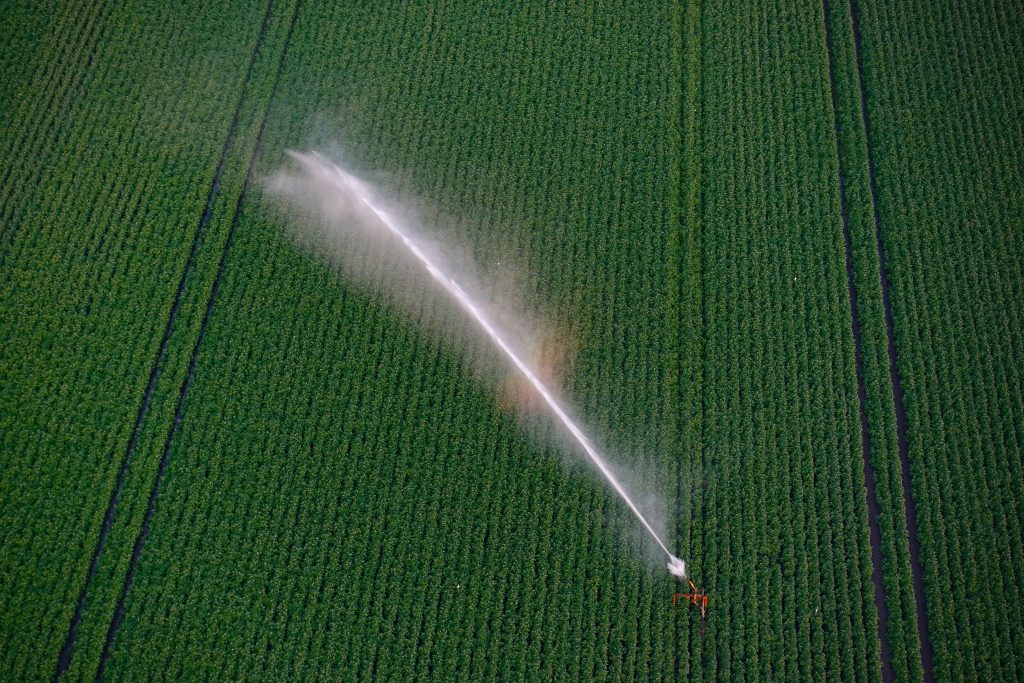
Drip irrigation can maintain a relatively stable moisture zone around roots.
It also allows precise fertigation.
The system must operate long enough to wet the active root zone.
A short daily run may produce a small saturated bulb near each emitter while leaving most roots dry.
Check moisture at several depths and distances.
Emitter spacing should match soil texture.
Water spreads more vertically in sand and more laterally in fine-textured soil.
Inspect emitters for plugging and measure output.
One blocked emitter can create a blossom-end rot problem on an individual plant.
Containers Need Closer Attention
Container-grown tomatoes and peppers have little moisture reserve.
A large plant can use much of the available water by midday.
Dark containers in full sun may develop very high root-zone temperatures.
Use a pot large enough for the mature plant.
Ensure several open drainage holes.
Avoid a saucer that keeps the mix saturated.
Water thoroughly until some drainage occurs, then monitor rather than following a rigid clock.
A container may need water twice daily during extreme heat, but it should not remain continuously waterlogged.
Rain may wet leaves while leaving dense foliage and potting media relatively dry.
Check the mix directly.
Damaged Fruit Provides Useful Information
Note which plants and clusters are affected.
If only containers dry out, increase volume or irrigation frequency.
If damage follows an irrigation-line edge, check pressure and emitter flow.
If low areas are affected after rain, inspect drainage.
If the entire bed is affected after heavy fertilization, test salts.
Record variety, planting date, fertilizer, mulch, rainfall, and irrigation.
The pattern helps prevent the same disorder in the next planting.
Stabilize the Root Zone First
The practical order is clear:
- Maintain consistent moisture
- Protect roots
- Correct drainage
- Reduce excessive salts
- Avoid overapplying nitrogen
- Test soil or media
- Add calcium only where needed
- Remove badly damaged fruit
- Monitor later fruit for improvement
Blossom-end rot is frustrating because the visible injury appears after the critical event has passed.
The response should still address the cause rather than the appearance.
Supply Solutions can help growers determine whether Calcium Nitrate 15.5-0-0 fits the soil, media, and fertility program.
Contact the company before adding calcium to a crop already receiving substantial nitrogen.
Calcium performs best when roots are healthy and irrigation delivers it steadily to developing fruit.