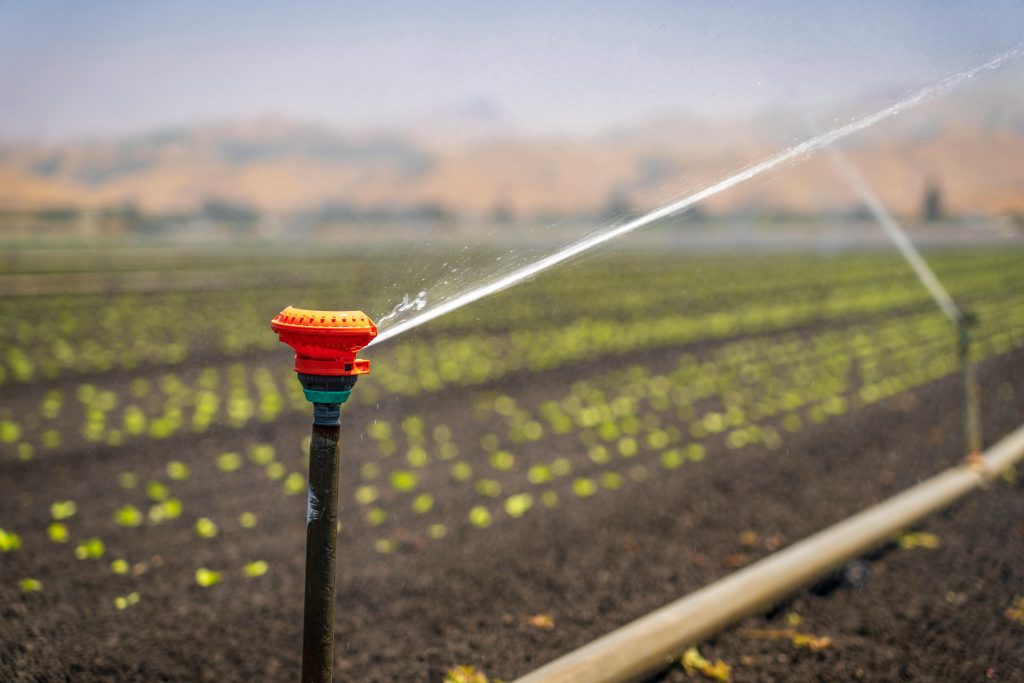
Early spring is a critical stage for establishing healthy, vigorous crops. During this period, young plants require both consistent moisture and adequate nutrients to support rapid leaf expansion, root growth, and flower initiation. Coordinating irrigation with fertilization ensures that crops absorb nutrients efficiently, reduces stress, and maximizes early-season growth potential. Products such as Supply Solutions […]

Late March marks a pivotal stage in spring crop development. Plants are transitioning from early establishment to active growth, requiring careful management of nutrients to accelerate development, strengthen roots, and maximize early-season yield potential. Proper preparation for late March fertilization ensures that crops receive essential macronutrients and micronutrients at the right time, supporting vigorous leaf […]

High-demand crops, including leafy greens, tomatoes, peppers, berries, and orchard fruits, require precise nutrition to achieve maximum yield and quality. While macronutrients like nitrogen, phosphorus, and potassium form the foundation for growth, micronutrients such as boron, zinc, iron, manganese, and copper play a critical role in enzyme function, photosynthesis, root development, and fruit quality. Early […]

Potassium is a critical nutrient for early-season crops, particularly for root development, stress resilience, and fruit quality. In high-value vegetables, fruits, and berries, potassium regulates water movement, enzyme activation, and carbohydrate transport, which are essential for uniform growth and strong yields. Proper early spring potassium management ensures that young plants develop robust roots, healthy foliage, […]

Nitrogen is one of the most critical nutrients for leafy greens, brassicas, and high-demand vegetables such as lettuce, spinach, kale, tomatoes, and peppers. Early spring nitrogen management directly impacts leaf development, canopy uniformity, and overall crop vigor. Proper nitrogen application ensures rapid growth, supports stress resilience, and maximizes nutrient uptake efficiency during the most active […]

Early spring is a critical time for fruiting crops, including tomatoes, peppers, cucumbers, and various orchard fruits. During this stage, young plants are developing leaves, flowers, and fruiting structures that are highly sensitive to calcium deficiencies. Calcium plays a crucial role in cell wall formation, root development, and fruit integrity. Proper early-season calcium management ensures […]
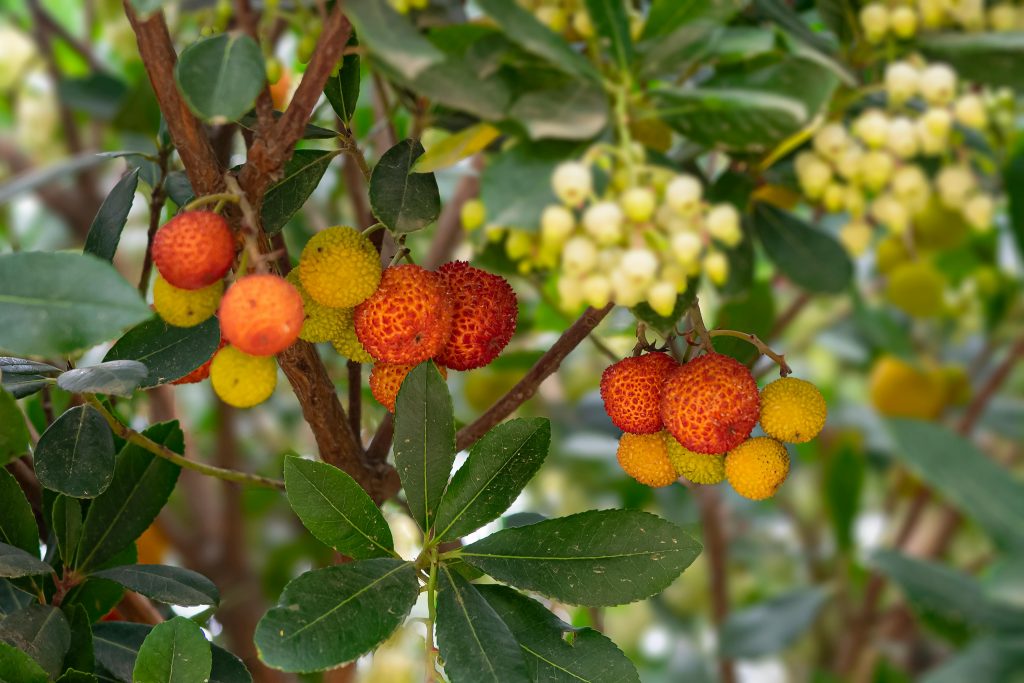
Early spring is a crucial period for establishing healthy crops, especially high-value vegetables, fruits, and berries. During this time, young plants are actively developing leaves, stems, and flower buds, all of which require readily available nutrients. Foliar nutrition delivers essential micronutrients and supplementary macronutrients directly to leaves, allowing crops to correct early deficiencies and maximize […]
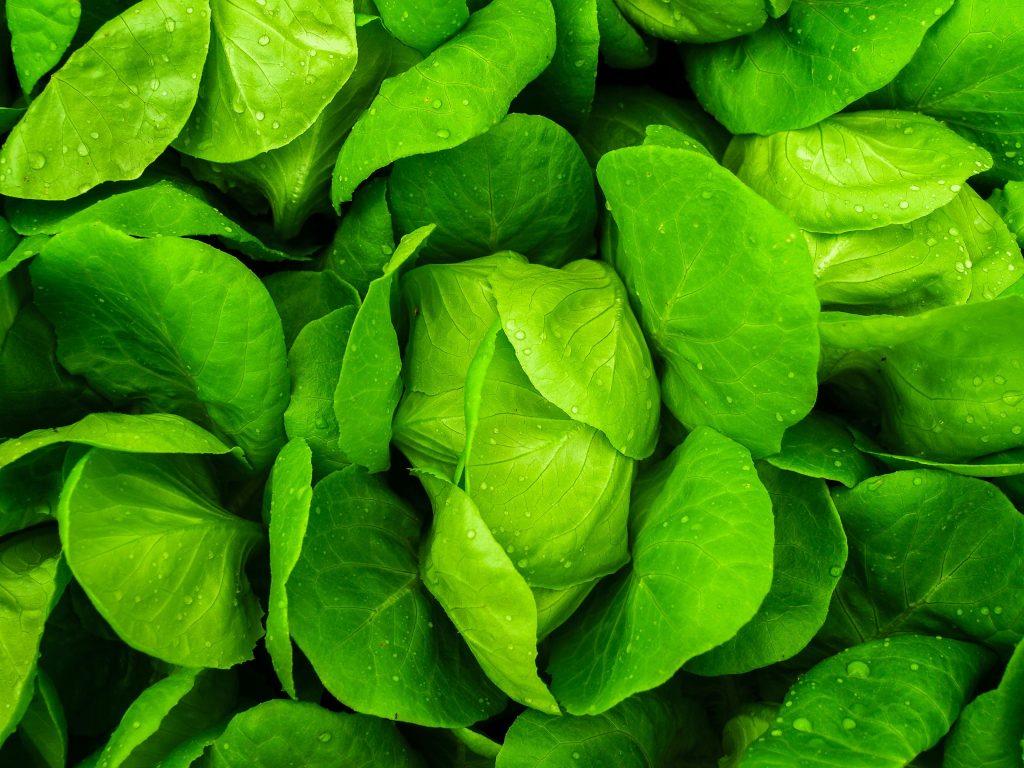
Strong root systems are the foundation for healthy, high-yielding crops. In early spring, young plants are developing roots that determine their ability to access water and nutrients throughout the growing season. Root stimulation through targeted nutrient management, particularly nitrogen and calcium, enhances early growth, improves nutrient uptake, and strengthens plant resilience. Products like Supply Solutions […]

Early spring is a pivotal time for both crop establishment and weed control. Young crops are highly vulnerable to competition, and weeds can quickly outcompete seedlings for nutrients, water, and light. Effective weed management integrated with early fertility programs ensures that crops establish strong roots, develop healthy foliage, and maximize the effectiveness of fertilizers. Balanced […]
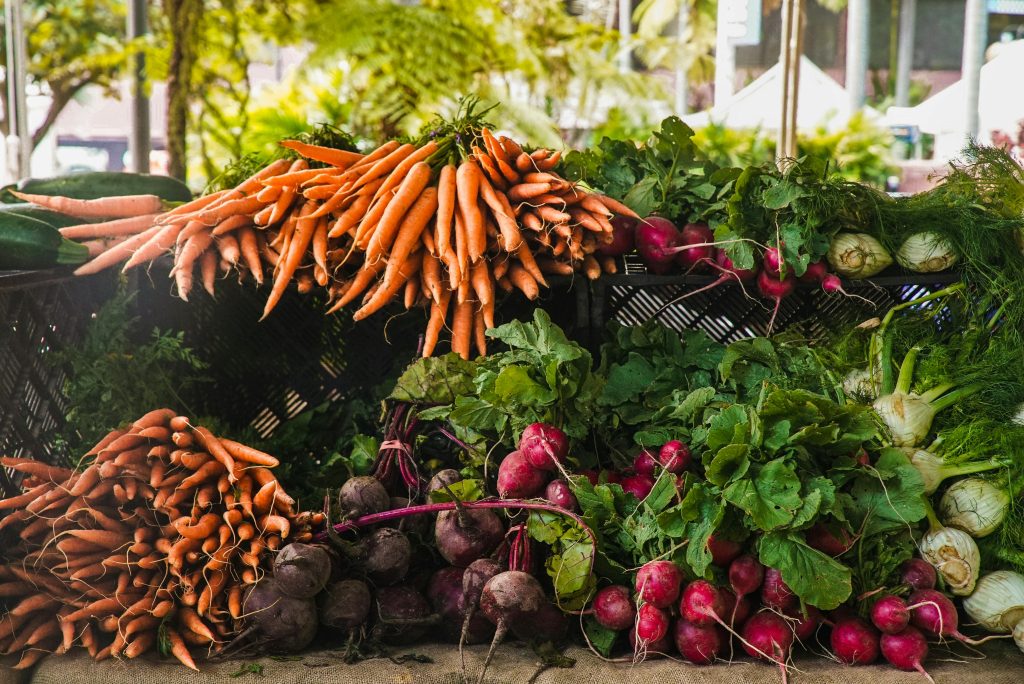
High-value vegetables, including tomatoes, peppers, cucumbers, and leafy greens, require careful management in early spring to ensure strong growth, high-quality yields, and efficient nutrient use. Young crops are particularly sensitive to nutrient deficiencies and pest pressures, and early interventions are critical to prevent losses and establish resilient plants. An integrated approach combining proper fertilization, foliar […]
