
Uncategorized
Why Clay Soils Need Structure Before More Fertilizer
Clay soil can be some of the most productive soil a grower will ever work with. It can hold nutrients. It can hold moisture. It
When growers and gardeners think about preparing their soil for the colder months, they often focus on covering plants, cleaning up beds, or adjusting fertilization. But what many miss is the critical role that soil structure plays in the success of those late-season strategies. For those dealing with heavy clay or compacted soils, gypsum is one of the most underrated and effective amendments available — and fall is the prime time to apply it.
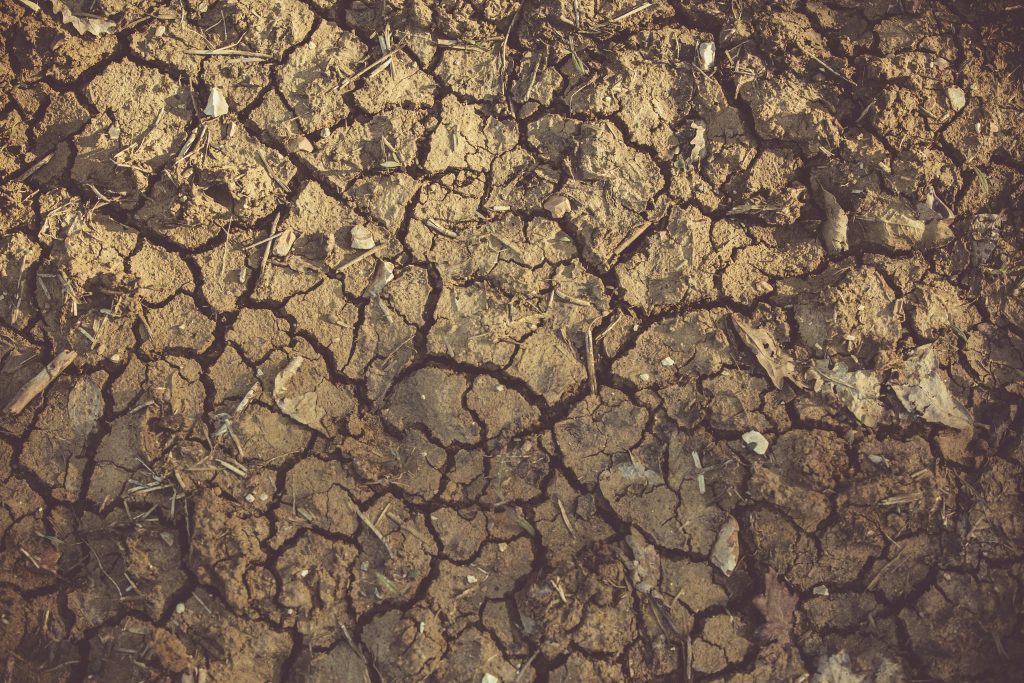
Clay and compacted soils are notoriously difficult to work with. They retain water excessively, restrict root growth, and limit oxygen penetration. Without correction, these conditions make it incredibly hard for plants to survive winter stress, and nearly impossible for spring crops to thrive. That’s where Supply Solutions Gypsum Soil Acidifier comes in — a soil conditioner that not only improves texture, but also supports better nutrient absorption and plant resilience going into winter.
You can view the product here.
Understanding Why Clay and Compacted Soils Struggle in Fall and Winter
As temperatures drop, clay-heavy soils begin to harden, reducing water infiltration and oxygen flow. This creates a harsh environment where root development slows or stops entirely. Even perennial roots can suffer damage from lack of aeration and moisture movement.
The compaction is often worsened by:
Gypsum solves many of these issues not through fertilization, but through a structural change in the soil.
How Gypsum Works: Not Just Calcium, But Calcium Sulfate
Unlike lime, which raises pH, gypsum is pH neutral and contains both calcium and sulfur. When applied to soil:
This is especially useful before winter, when soils need to drain properly to avoid root rot but still retain enough moisture for dormant plant survival.
Why Fall Is the Ideal Time for Gypsum Application
Fall application gives gypsum the time it needs to work into the soil profile. Because gypsum is water-soluble, seasonal rains and snow help move it deeper into compacted layers — exactly where root systems need relief.
Key advantages of fall gypsum application:
Applying gypsum now ensures that growers avoid the frantic rush and unpredictable weather of early spring.
How to Apply Gypsum Effectively
You don’t need to till gypsum deep into the soil for it to be effective. Over time, natural precipitation will carry it downward. For most lawn and garden applications:
For large-scale farm use, broadcast spreading is ideal. Always test soil compaction levels and sodium content for optimal rates.
Gypsum vs Lime: Don’t Confuse the Two
Some growers mistakenly reach for lime when they should be using gypsum. Here’s a quick comparison:
| Amendment | Raises pH | Contains Sulfur | Best for Saline/Compacted Soils |
|---|---|---|---|
| Lime | Yes | No | No |
| Gypsum | No | Yes | Yes |
Gypsum is ideal when soil pH is already balanced, but structure is poor. Lime should only be used if pH correction is needed.
Complementing Gypsum with Other Soil Amendments
To maximize gypsum’s effect, pair it with:
This holistic approach ensures that the soil is not only loosened but also fertile and ready for winter or early spring growth.
Real-World Use Cases: Who Should Use Gypsum Now
Gypsum is versatile. Whether you’re a large-scale grower or a backyard gardener, this amendment can drastically improve your soil prep routine. Here’s who benefits most from a fall application:
If you work in Central Oregon or other high-clay regions, this product is almost essential to maintain healthy soil through the off-season.
Debunking Myths About Gypsum
Many growers avoid gypsum due to outdated beliefs. Let’s clear up a few:
Understanding these facts makes it easier to promote its usage among skeptical growers and home gardeners.
Tips for Maximum Results This Season
Want to make your gypsum application count? Here’s how:
And remember: gypsum is not a replacement for good cultural practices like aeration, crop rotation, and organic matter addition — but it enhances all of them.
Applying Supply Solutions Gypsum Soil Acidifier before winter is an intelligent, cost-effective step that pays off in spring with healthier soil, stronger roots, and more productive plant growth.
Have questions about application timing, rates, or compatibility with your specific crops? Reach us through our contact form, message us on Facebook, call 503-451-1622, or email sales@mysolutionssupply.com. Supply Solutions LLC is here to help anytime, any day.
Clay soil can be some of the most productive soil a grower will ever work with. It can hold nutrients. It can hold moisture. It

A greener May lawn does not start with the mower. The mower shows the result, but the real work is happening underneath the turf. Roots
Give us a call or visit our store, and we’ll help you find the right solution for your business.
© Supply Solutions LLC 2025