
Uncategorized
Why Clay Soils Need Structure Before More Fertilizer
Clay soil can be some of the most productive soil a grower will ever work with. It can hold nutrients. It can hold moisture. It
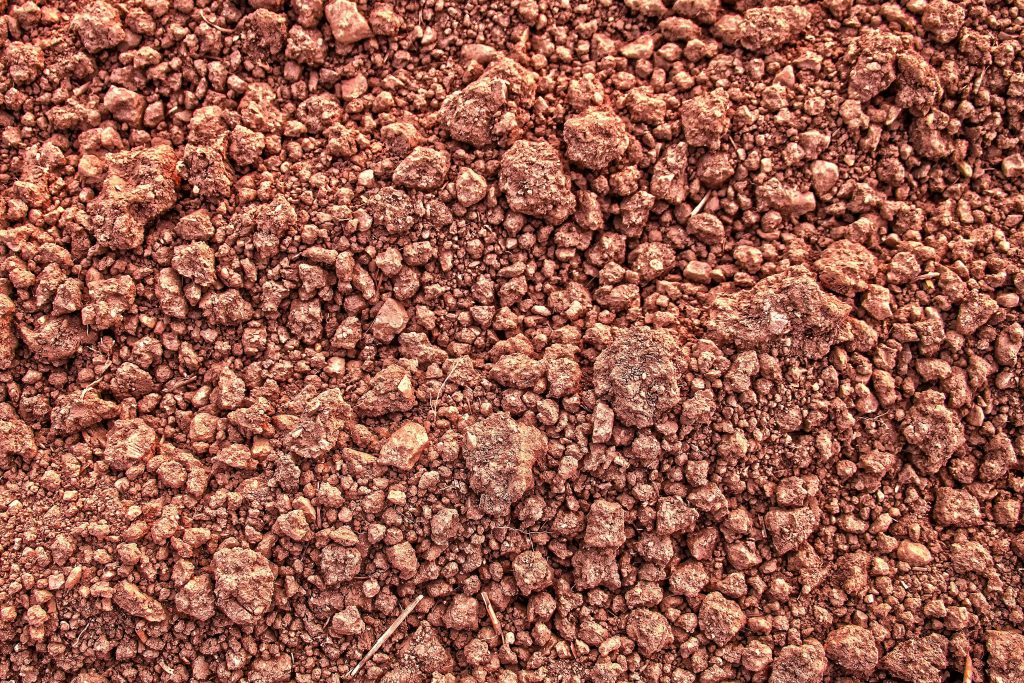
Clay soil can be some of the most productive soil a grower will ever work with.
It can hold nutrients. It can hold moisture. It can support strong crops, deep turf, healthy trees, and productive gardens when it is managed well. Some of the best farmland in the country has a meaningful clay fraction. Many strong lawns and landscapes are growing on clay-based soil.
The problem is not clay itself.
The problem is clay without structure.
When clay soil has good structure, it forms stable aggregates. Water can move in. Air can move through. Roots can find small openings and grow downward. Nutrients are held in the soil instead of washing away quickly. Moisture is available longer between rains or irrigation.
When clay soil loses structure, it becomes a very different kind of growing environment. It seals. It crusts. It compacts. It smears when worked wet. It dries into hard clods. Water sits on the surface after rain, then the same ground can turn hard when the weather dries. Roots may stay shallow, turn sideways, or struggle to move through dense layers.
That is when fertilizer starts disappointing people.
A grower applies fertilizer and sees little response. A gardener adds plant food, but the tomatoes still sit still. A lawn gets nitrogen, greens briefly, then fades when heat arrives. A landscaper installs shrubs, waters them, feeds them, and still watches them struggle. In many of those cases, the missing piece is not more fertilizer. It is soil structure.
Clay soils often need structure before they need another feeding.
One reason clay soil can be productive is that clay particles have a strong ability to hold nutrients. Compared with sandy soil, clay usually has more nutrient-holding capacity. That is a real advantage.
But a nutrient being present in the soil is not the same thing as a nutrient being available to the plant.
Roots have to grow through the soil to reach water and nutrients. Water has to move into the soil so nutrients can dissolve and travel. Oxygen has to be present around roots for normal root function. Microbial activity has to occur for organic matter breakdown and nutrient cycling.
When clay soil is tight, compacted, or poorly structured, those processes slow down.
A plant may be growing in soil that contains potassium, phosphorus, calcium, magnesium, and other nutrients, but the root system may only explore the top few inches. A lawn may receive fertilizer, but if the soil underneath is sealed and shallow-rooted, the turf cannot build the root mass needed for summer. A garden bed may test adequately for certain nutrients, yet plants may still struggle because the soil stays too wet after rain and too hard after drying.
This is why adding fertilizer to clay soil without improving structure can be frustrating. You may be feeding a system that cannot fully use what you apply.
The better question is not only, “What nutrient is missing?”
It is also, “Can the roots reach what is already there?”
May is a dangerous month for clay soil because spring moisture is still active, but planting pressure is high.
Fields need to be worked. Gardens need to be planted. Landscapers are installing beds. Homeowners are trying to fix lawns. Equipment, tillers, mowers, wheelbarrows, skid steers, trucks, boots, and foot traffic all show up when the soil may still be carrying more water than it should.
Wet clay does not forgive much.
When clay soil is worked too wet, it smears. That smearing destroys natural pore space. When it dries, the smeared areas can become dense layers that roots struggle to cross. In gardens, this shows up as big hard clods after tillage. In lawns, it shows up as compacted tracks and thin turf. In landscape beds, it shows up when planting holes become slick-sided and hold water like bowls. In fields, it shows up as sidewall compaction, traffic pans, and uneven crop rooting.
The damage may not be obvious on planting day. The soil may still look workable from the surface. The plant may look fine for a few weeks. But when weather turns hot and roots need to go deeper, the problem becomes visible.
Clay soil should be worked when it is fit, not when the calendar feels urgent.
A simple hand test helps. Take a handful of soil from the depth you plan to work. Squeeze it. If it forms a sticky ribbon, shines, or smears easily, it is still too wet. If it crumbles with moderate pressure, it is closer to ready.
Waiting one more day can protect the whole season.
Clay soils often crust after rain, especially where the surface is bare and has been broken into fine particles. Raindrops hit the soil, break down aggregates, and the surface settles into a sealed layer. When that layer dries, it can become hard enough to interfere with seedling emergence, water infiltration, and oxygen exchange.
For vegetable gardeners, crusting can mean uneven stands of beans, carrots, lettuce, corn, flowers, or cover crops. Seeds may germinate, then struggle to push through the surface. Small seedlings may emerge weakly or unevenly.
For lawns, crusting can make seeding difficult. Grass seed needs good soil contact, but it also needs the surface to stay open enough for roots and shoots to develop.
For fields, crusting can reduce stand uniformity and force young crops to use energy breaking through the soil instead of developing roots and leaves.
Fertilizer does not fix crusting by itself. If the seedling cannot emerge or the root cannot breathe, nutrients are not the first limitation.
Better clay management reduces crusting by improving soil aggregation, keeping residue or mulch on the surface where appropriate, avoiding overworking the seedbed, and supporting organic matter. Products that support soil structure and water movement can also fit into that broader program.
Gypsum is one of the most common amendments discussed for clay soil, but it needs to be understood correctly.
Gypsum is calcium sulfate. It supplies calcium and sulfur. It does not act like lime, and it is not applied for the same reason lime is applied. Lime is used to raise soil pH when the soil is too acidic. Gypsum can supply calcium without raising pH the same way lime does.
That difference matters because many growers hear “calcium” and assume all calcium products do the same job. They do not.
Gypsum Powder from Supply Solutions fits clay soil programs where the goal is calcium and sulfur support along with improved soil behavior. It is especially relevant where dense soil, poor water movement, or calcium/sulfur needs are part of the problem.
Premium 97 Solution Grade Gypsum fits situations where growers want a high-quality calcium sulfate source that can be used in lawns, gardens, flower beds, trees, shrubs, and other soil-improvement applications. It is useful where clay-heavy soils need help with structure and water movement, especially before summer root stress increases.
The problem these gypsum products help address is not simply “plants need fertilizer.” The problem is that the soil may be too tight, poorly aggregated, or lacking the calcium and sulfur support needed for better soil function.
The timing makes sense in May because roots are active and spring moisture can help move materials into the soil. Applying gypsum before summer heat gives the soil and root system time to begin responding.
Gypsum is not magic. It will not fix a drainage ditch that needs grading. It will not undo severe compaction overnight. It will not replace organic matter, cover crops, mulching, deep rooting, or careful traffic management. But where the soil condition fits, gypsum can be a useful part of clay soil improvement.
One of the clearest signs of poor clay structure is water behavior.
If water sits on the surface after a normal rain, the soil may not be accepting moisture well. If water runs off instead of soaking in, the surface may be sealed or compacted. If the soil stays wet for days, oxygen may be limited around roots. If the same soil dries hard later, roots may experience both wet stress and dry stress in the same season.
That wet-dry swing is common in poorly structured clay.
A gypsum product such as Gypsum Powder or Premium 97 Solution Grade Gypsum fits where the grower is trying to support better soil aggregation and water movement. Calcium can help clay particles form more stable structure in the right soil conditions, while sulfur adds a needed secondary nutrient for plant growth.
For lawns, gypsum may fit compacted or clay-heavy areas where water movement is poor and turf roots are shallow. For gardens, it can fit beds that seal after rain and harden as they dry. For landscapes, it can fit planting areas where clay soil limits air and moisture movement. For orchards and perennial plantings, it may support longer-term soil improvement where calcium and sulfur are useful.
The best application is still guided by soil conditions. A soil test helps clarify pH, calcium, magnesium, sulfur, and other fertility factors. If the soil does not need calcium or sulfur, or if another issue is the real limitation, gypsum may not be the first answer.
A good clay program uses gypsum for the right reason, not because clay is difficult.
Clay soil improvement is not only about adding calcium sulfate. It is also about improving the way the soil holds, exchanges, and releases nutrients and water.
That is where humic products can fit.
HumiPro(K) WSP is a humic and fulvic acid powder used to support soil conditioning, root development, and nutrient movement. It is not a replacement for NPK fertilizer. It is not a substitute for gypsum where gypsum is the right amendment. Its role is to support the root-zone environment so plants can use nutrients more effectively.
In clay soils, humic substances are useful because clay soils can hold nutrients tightly, sometimes making nutrient release and movement less efficient than expected. Humic and fulvic materials can help improve nutrient interaction in the soil and support root activity during active growth.
May is a strong window for HumiPro(K) WSP because roots are expanding. A product that supports root-zone activity belongs when plants are building the root system they will depend on later. For lawns, gardens, field crops, and landscapes growing in clay soils, that timing is important.
The problem HumiPro(K) WSP helps solve is weak nutrient movement, limited root-zone performance, and poor soil conditioning. It works best as part of a full program that also addresses compaction, water movement, organic matter, correct fertilizer rates, and crop stage.
Used properly, humic support helps the soil work better. That is different from simply adding more fertilizer.
When plants struggle in clay soil, the instinct is often to fertilize again.
Sometimes that is needed. Clay soils can be deficient in nutrients. Nitrogen can still be short. Potassium can still be low. Phosphorus can still be unavailable. Sulfur, calcium, magnesium, and micronutrients can still need correction.
But repeated fertilizer without structural improvement can create new problems.
If roots are shallow because the soil is compacted, adding fertilizer near the surface may encourage roots to remain shallow. If soil stays saturated, extra nitrogen may not be used efficiently. If the problem is pH or poor aeration, more NPK may not correct the limitation. If fertilizer is overapplied in a tight root zone, salt stress can occur around tender roots.
In lawns, this shows up as a temporary green-up followed by summer decline. In gardens, it shows up as leafy plants with weak roots or poor fruiting. In landscapes, it shows up as shrubs that flush growth but fail to establish deeply. In fields, it shows up as uneven response where compaction and water patterns control growth more than nutrient supply.
Clay soil requires the discipline to ask whether fertility is truly the limiting factor.
A plant that is pale in compacted, saturated clay may not need more fertilizer first. It may need air. It may need drainage. It may need structure. It may need the soil to dry enough for roots to function.
No discussion of clay soil structure is complete without organic matter.
Organic matter helps soil form aggregates, improves water behavior, supports microbial activity, and gives roots a better environment. In clay soil, it can help reduce crusting, improve workability, and make the soil more forgiving over time.
But organic matter has to be managed correctly.
Dumping large amounts of uncomposted material into clay can create temporary nutrient tie-up or uneven soil zones. Over-tilling compost into wet clay can still damage structure. Building organic matter takes repeated, steady practices: compost, cover crops, mulches, crop residues, reduced unnecessary tillage, and living roots.
Gypsum and humic products can fit alongside organic matter practices. They do not replace them.
A clay garden improves when compost is added thoughtfully, paths are kept permanent, beds are not walked on, mulch protects the surface, and soil is not worked wet. A clay lawn improves when roots are encouraged deeper, compaction is reduced, clippings are returned when appropriate, and soil infiltration is supported. A clay field improves when traffic is managed, cover crops are used where practical, residue is protected, and tillage timing respects moisture.
Clay soil does not change in one day. It improves through repeated correct decisions.
Home gardens on clay often suffer because people walk where they grow.
Every time a gardener steps into a bed, especially when the soil is moist, the soil compresses. In clay soil, that compaction can last. Roots then struggle in the same beds where the plants are supposed to grow best.
Permanent paths are one of the simplest fixes.
Keep feet and wheelbarrows in designated paths. Keep planting zones loose, mulched, and protected. Avoid tilling wet soil. Add compost carefully. Use gypsum where the soil condition supports it. Use humic support where root-zone performance and nutrient movement need improvement.
For vegetable beds, Gypsum Powder can be worked into soil where calcium sulfate fits the need, especially before planting or between crops. HumiPro(K) WSP can be used as part of a soil-conditioning program during active growth. The goal is to create a bed where roots can move, water can enter, and fertilizer can perform.
Gardeners should also avoid creating a fluffy top layer over a compacted base. Roots may grow well in the first few inches, then stop at the hard layer. Deep, gradual improvement is better than shallow surface correction only.
Clay lawns often look hungry, but the real problem may be shallow roots.
When clay soil is compacted or sealed, water may run off during irrigation or rain. Turf roots stay near the surface. The lawn dries quickly during heat but stays soggy after rain. Fertilizer response becomes uneven because nutrients are not moving consistently into the root zone.
In that situation, adding more nitrogen may green the lawn temporarily, but it does not fix the shallow-rooted condition.
Gypsum can fit clay lawns where calcium sulfate supports structure and water movement. Premium 97 Solution Grade Gypsum is especially relevant for lawns, gardens, trees, shrubs, and flower beds where clay-heavy soil is limiting water and air movement.
HumiPro(K) WSP can also fit turf programs where soil conditioning and nutrient movement are priorities. May timing is useful because turf roots are active and still have time to strengthen before summer traffic and heat.
Fertilizer still matters for lawns. But in clay, fertilizer should be paired with root-zone management. Mow high enough to support photosynthesis. Water deeply when the soil can accept it. Avoid heavy traffic when the lawn is wet. Address compaction. Then fertilizer can do its job more effectively.
A green lawn that is shallow-rooted is not ready for summer. A structured clay lawn has a better chance.
Many landscape beds are installed in disturbed soil.
During construction, soil may be scraped, compacted, mixed with subsoil, driven over, and graded. Topsoil may be thin or absent. Clay subsoil may be near the surface. New plants are then installed, mulched, watered, and expected to perform.
This creates a common problem: the planting hole holds water like a bowl, while the surrounding soil stays dense. Roots stay in the amended hole or original root ball instead of moving outward. The plant may leaf out, then decline when heat arrives.
In clay landscape soils, structure matters more than a heavy fertilizer application.
Before planting, check drainage. Dig the hole and fill it with water to see how quickly it moves. Avoid glazing the sides of the planting hole with a shovel. Do not create a rich pocket surrounded by dense clay. Encourage roots to move into the native soil by preparing a wider area when possible.
Gypsum can fit clay-heavy landscape beds where soil structure, calcium, and sulfur support are needed. HumiPro(K) WSP can fit during establishment where root-zone conditioning is part of the program. Fertilizer should be applied carefully and only where plant need supports it.
A shrub does not need to be forced into top growth if its roots are still trapped. The better goal is establishment.
In field agriculture, clay soil structure often shows up in patterns that repeat.
Headlands may stay wet. Wheel tracks may yellow. Low areas may show poor emergence. Heavy clay zones may crust. Plants may root shallowly where sidewalls were compacted at planting. Fertilizer response may vary across the field even when the rate was uniform.
Those patterns tell a story.
If the same areas struggle every year, the issue may not be fertilizer rate alone. It may be drainage, compaction, soil structure, traffic timing, residue management, pH, or potassium availability. A soil test helps, but a shovel helps too. Dig roots in good areas and poor areas. Compare structure, moisture, smell, depth, and root direction.
Gypsum may fit field programs where calcium and sulfur are needed or where soil chemistry supports its use for structure. Humic products may fit where nutrient movement and root-zone activity are priorities. But the biggest improvements often come from matching field traffic and tillage to soil moisture.
Clay soil must be respected when wet. Once structure is damaged, it can take time to rebuild.
Gypsum and humic products can help clay soils, but they cannot replace drainage where drainage is the real problem.
If water is pooling because the grade sends runoff into a low area, the grade needs correction. If downspouts empty into a bed, redirect them. If a lawn has a compacted construction layer under shallow topsoil, deeper correction may be needed. If a field needs tile repair or outlet work, amendments alone will not solve the water table.
Soil structure products help the soil function better. Drainage correction gives excess water somewhere to go.
Before applying anything, look at the water source. Is the soil wet because rain cannot enter? Is it wet because water is flowing in from another area? Is it wet because there is no outlet? Is it wet because the subsoil is compacted? Is it wet because irrigation is too frequent?
The solution depends on the cause.
A clay soil program works best when physical drainage, soil structure, fertility, and root growth are managed together.
Clay soils respond best when the work is done in the right order.
Start with observation. Look at water movement, crusting, compaction, root depth, and plant patterns.
Check soil moisture before any physical work. Do not till, dig, grade, or traffic wet clay if the operation can wait.
Use soil testing to understand pH and nutrient balance. Clay soils can hold nutrients, but pH and balance still matter.
Use gypsum where calcium sulfate fits the soil condition. Gypsum Powder and Premium 97 Solution Grade Gypsum can support clay soil programs where structure, calcium, sulfur, and water movement are part of the need.
Use humic support where the root-zone environment needs help. HumiPro(K) WSP fits programs focused on soil conditioning, root support, and nutrient movement during active growth.
Add fertilizer only after understanding whether fertility is actually limiting growth. If the issue is structure, fix structure. If the issue is nutrient shortage, feed the plant. If both are involved, address both in a coordinated way.
Protect the improvement. Avoid traffic on wet soil. Use mulch or residue where appropriate. Keep roots growing. Maintain organic matter. Water deeply but not constantly. Do not overwork the soil.
Clay soil can be improved, but it rewards patience more than force.
By the time summer heat arrives, clay soil problems become harder to hide.
A shallow-rooted lawn wilts faster. A tomato plant in tight soil struggles with water swings and calcium movement. A shrub in a dense planting hole declines after the first hot spell. A field crop in compacted clay shows stress sooner than the crop in better-structured soil. A flower bed that looked good in May starts fading when roots cannot keep up.
The correction needs to begin before that stress arrives.
May is a practical window because soil is warming, roots are active, and moisture is often still available. Products that support structure and root-zone function can be applied before summer demand peaks. Fertility decisions can be made more carefully. Growers still have time to improve water movement, reduce compaction pressure, and build better rooting.
The strongest clay soil programs do not ask fertilizer to do the work of soil structure. They create a soil environment where fertilizer can actually perform.
For farmers, gardeners, landscapers, and homeowners working with clay, the goal is not to turn clay into sand. It is to help clay behave like healthy soil: open enough for water, stable enough to resist crusting, rich enough to hold nutrients, and structured enough for roots to grow.
Supply Solutions offers practical products that fit this May clay-soil window. Gypsum Powder and Premium 97 Solution Grade Gypsum support calcium and sulfur needs while helping address dense, clay-heavy soil behavior. HumiPro(K) WSP supports soil conditioning, root development, and nutrient movement during active growth. Used properly, these products help solve the problem beneath the fertilizer problem: roots need a soil structure they can live in. Contact Supply Solutions for help choosing the right soil-support product for your clay soil, crop stage, lawn, garden, or landscape conditions.
Clay soil can be some of the most productive soil a grower will ever work with. It can hold nutrients. It can hold moisture. It
A greener May lawn does not start with the mower. The mower shows the result, but the real work is happening underneath the turf. Roots
Give us a call or visit our store, and we’ll help you find the right solution for your business.
© Supply Solutions LLC 2025