
Uncategorized
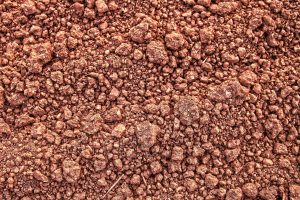
Why Clay Soils Need Structure Before More Fertilizer
Clay soil can be some of the most productive soil a grower will ever work with. It can hold nutrients. It can hold moisture. It

A greener May lawn does not start with the mower.
The mower shows the result, but the real work is happening underneath the turf. Roots are waking up. Soil temperature is rising. Moisture is moving in uneven patterns after spring rain. Grass plants are trying to rebuild density after winter, traffic, shade, compaction, and early-season stress.
That is why the best spring lawn programs do not chase color alone.
A dark green lawn looks good, and there is nothing wrong with wanting strong color in May. Homeowners want the yard to look clean before summer gatherings. Landscapers need turf to respond for customers. Lawn care crews are trying to build density before heat, drought, disease pressure, and foot traffic increase.
But green color by itself is not enough.
A lawn can green up quickly after nitrogen and still have shallow roots. It can look good for two or three weeks and then thin when summer stress arrives. It can grow fast enough to need frequent mowing but still struggle with poor infiltration, weak soil structure, or low potassium support. It can receive fertilizer and still respond unevenly because water is running off compacted areas instead of moving into the root zone.
May lawn care should build color and durability at the same time.
That means looking below the mower deck.
A lawn is a community of grass plants. Each plant needs leaf growth, roots, water, nutrients, oxygen, and enough soil space to function. When one of those pieces is missing, the lawn may still grow, but it will not perform consistently.
In May, the most common turf problems are easy to see but not always easy to diagnose.
A pale lawn may need nitrogen. It may also need iron, sulfur, better soil moisture, or a healthier root system. A thin lawn may need fertility, but it may also be mowed too short, compacted, shaded, or under watered. A lawn that puddles after rain may need help with infiltration before fertilizer can perform evenly. A lawn that greens in streaks may be showing uneven application, soil variability, or moisture patterns.
This is why a good May lawn walk matters.
Look at the lawn before feeding it. Is the color uniformly light, or are there patches? Are weak areas near sidewalks, driveways, pet paths, mower turns, or compacted traffic zones? Does water soak in after irrigation, or does it bead and run? Are roots shallow? Is the turf thin because it is hungry, or because the soil underneath is tight?
The answer changes the fertilizer plan.
Nitrogen is the nutrient most people associate with a green lawn. It supports leaf growth and helps turf recover from winter thinning. When turf is actively growing and nitrogen is short, a proper application can make a visible difference.
The problem comes when nitrogen is treated as the whole program.
Too much quick nitrogen in May can push soft top growth. The lawn may look dark and lush, but the grass may need more mowing and may not build the root strength needed for summer. Soft growth can also be more vulnerable when heat arrives. A lawn that grows fast but roots shallow is not ready for July.
A better spring program uses nitrogen to support steady growth, not force it.
That is where product selection matters. The lawn needs enough nitrogen for color and recovery, but it also needs nutrients that help with stress tolerance, root support, and consistent growth. It also needs soil that allows water and nutrients to reach the roots.
A lawn that only receives color-focused care in May may struggle later. A lawn that receives root-zone care in May is more likely to hold density into summer.
When homeowners or customers want a deeper green lawn, the first instinct is often to add more nitrogen. Sometimes that is appropriate. But iron can also help support turf color, and that can be useful when the goal is visual improvement without depending only on heavy nitrogen.
21.4-7-14.1 Lawn and Turf Fertilizer with Iron fits May turf programs because it combines nitrogen, phosphorus, potassium, and iron. The nitrogen supports active spring growth and green-up. The phosphorus supports root and plant development where the soil and turf stage call for it. The potassium supports stress tolerance and plant strength. The iron helps deepen turf color.
That combination is practical in May because turf is actively growing, but summer stress is close enough that the program should not be built on nitrogen alone.
This product is best used when the lawn needs spring feeding, improved color, and broader nutrient support. It can be especially useful for turf that looks pale after winter or uneven after spring conditions, as long as the lawn is actively growing and soil moisture is suitable.
The problem it helps solve is weak spring color and general nutrient demand in actively growing turf. The timing is May when the lawn has resumed growth and can use fertilizer. The caution is to apply evenly and water appropriately. Uneven spreading can create streaks, and fertilizer should not be left on hard surfaces where it can wash away.
Iron is helpful, but it is not a substitute for good mowing, watering, or soil health. If turf is pale because the roots are sitting in saturated soil, iron will not fix the oxygen problem. If the lawn is thin because it is mowed too short, fertilizer alone will not restore it. If soil pH or compaction is limiting uptake, that condition needs attention too.
The best use of an iron-containing turf fertilizer is as part of a complete May lawn program.
Potassium is often overlooked in spring because it does not create the same quick visual response as nitrogen. But potassium is one of the nutrients that helps turf regulate water, maintain plant strength, and handle stress.
That matters because May is not just a green-up month. It is also a preparation month.
By late May and early June, lawns begin facing more heat, more mowing, more foot traffic, more irrigation demand, and often more pet or play activity. A lawn that was pushed mainly for fast top growth may not handle that pressure well.
25-0-15 Ultra Green Lawn and Turf Fertilizer fits lawns that need strong spring color with potassium support. The nitrogen helps turf green and grow, while the potassium helps support stress tolerance going into warmer weather. The zero-phosphorus analysis is also useful where phosphorus is not needed or where soil testing indicates phosphorus is already sufficient.
This product is especially relevant when the goal is to build a greener lawn without ignoring the summer ahead. It helps solve pale color and weak turf vigor while also supporting potassium needs before heat stress increases.
The best timing is when turf is actively growing in spring and can take up nutrients. For cool-season lawns, May can be a sensible window when early spring growth has begun and the lawn is ready to respond. For warm-season lawns, application should wait until the grass is fully active rather than barely coming out of dormancy.
The caution is not to overdo nitrogen. A 25% nitrogen product has real strength. It should be applied according to directions, spread evenly, and watered in as recommended. The goal is steady turf response, not a flush that creates extra mowing and soft growth.
A good May lawn should look better, but it should also be stronger.
Fertilizer does not help much if it stays on the surface or moves unevenly.
Many May lawns have infiltration problems. Spring rain, mower traffic, foot traffic, pets, construction activity, compacted subsoil, clay soils, and thatch buildup can all affect how water enters the ground. If water runs off instead of soaking in, fertilizer response becomes patchy and shallow.
This is where Aqua Drive Liquid Lawn Aerator fits the May lawn conversation.
Aqua Drive is used where lawns, turf areas, landscapes, flower beds, or soil media have trouble with water penetration and surface compaction. It is not a replacement for core aeration where severe compaction exists, and it will not fix poor grading or drainage problems by itself. But it can be useful where the lawn needs better water movement into the soil surface.
The reason to use Aqua Drive in May is simple: roots are actively growing, and better infiltration now can support better rooting before summer heat. If water and fertilizer can move into the root zone more evenly, turf has a better chance of building strength.
The problem it helps solve is water sitting, beading, or running off the lawn surface because of tight soil conditions. The timing is spring through active growth, especially before heat makes shallow-rooted turf more vulnerable. It is most useful when paired with good watering habits and a sensible fertility program.
Aqua Drive belongs before or alongside fertilizer where infiltration is limiting response. If the lawn is compacted and water is not getting in, adding more fertilizer may give poor results. Improve the soil’s ability to receive water first, then feed the turf.
One sign of overfeeding is a lawn that grows too fast after fertilization.
Fast growth is not always healthy growth. If turf shoots up quickly, it may require frequent mowing. If mowing is delayed, too much leaf blade may be removed at once. Removing too much leaf area stresses the plant because leaves are how the grass captures sunlight and builds energy.
A good May fertility program should create steady growth that can be managed with regular mowing. The lawn should thicken and color up, but it should not become soft, stretched, and hard to maintain.
Mowing height matters. Cutting too short weakens turf, exposes soil to heat, encourages shallow roots, and can open space for weeds. In May, when growth is active, keeping the mower at a healthier height helps the lawn build energy and shade the soil surface.
Sharp mower blades also matter. Dull blades tear grass, leaving ragged tips that dry out and discolor. A lawn can be properly fertilized and still look poor if mowing is rough.
Fertilizer and mowing should work together. Feed the lawn enough to grow. Mow it in a way that preserves strength.
Watering habits can either help or undo a lawn program.
Light, frequent watering encourages shallow rooting. Deep, less frequent watering encourages roots to explore more soil volume, as long as the soil can absorb the water. A shallow-rooted lawn depends on the top few inches of soil, which dry out quickly when temperatures rise.
May is a good time to start training the lawn for deeper rooting.
If the soil accepts water well, irrigate deeply enough to moisten the root zone, then allow the surface to dry somewhat before watering again. If water runs off before it soaks in, irrigation may need to be split into shorter cycles, and soil infiltration should be addressed.
That is where Aqua Drive can support the program. Where water is not entering the soil evenly, Aqua Drive Liquid Lawn Aerator can help improve penetration so water reaches the root zone rather than sitting on top or running away.
Fertilizer should be watered in according to directions. This helps move nutrients into the soil and reduces the chance of fertilizer sitting on the leaf surface or being lost from the target area.
A lawn cannot use fertilizer efficiently without the right water pattern. May watering should support roots, not just keep the surface damp.
A practical lawn program starts with pattern recognition.
If the whole lawn is pale but growing evenly, a turf fertilizer such as 21.4-7-14.1 Lawn and Turf Fertilizer with Iron may fit because the lawn needs nutrient support and color improvement.
If the lawn needs strong green-up and potassium support before summer, 25-0-15 Ultra Green Lawn and Turf Fertilizer may be a better fit, especially where phosphorus is not part of the needed application.
If the lawn has areas where water runs off, puddles, or does not soak in, Aqua Drive Liquid Lawn Aerator should be considered as part of the soil-side solution before expecting fertilizer to perform evenly.
If only certain areas are weak, look for traffic, compaction, irrigation coverage, pet damage, shade, disease, or soil differences. Applying more fertilizer to the entire lawn may not correct a localized problem.
If the lawn is green but thin, consider mowing height, sunlight, soil compaction, and watering. Fertility may help, but it may not be the only issue.
If the lawn is dark green and growing too fast, do not add more nitrogen just because it is May. The next application should wait until the lawn actually needs it.
This kind of observation saves fertilizer and improves results.
Newly seeded or newly sodded lawns need nutrition, but they also need protection from stress.
Young turf roots are shallow. Seedlings are tender. Sod needs to knit into the soil below. In May, a new lawn may face warm days, drying winds, and heavy watering schedules. Fertilizer can support establishment, but overapplication can burn or push weak growth.
21.4-7-14.1 Lawn and Turf Fertilizer with Iron may fit new or recovering turf where phosphorus is appropriate and the lawn needs broad nutrient support, but soil testing and label directions should guide use.
25-0-15 Ultra Green Lawn and Turf Fertilizer may fit established turf better when phosphorus is not needed and the goal is green-up plus potassium support. For new lawns, the nutrient needs depend on soil test results and establishment stage.
Aqua Drive may be useful where new sod or seed is struggling because the soil surface is tight and water is not penetrating properly. It can help with moisture movement into the root zone, which is especially important for young turf.
New lawns should be fed to establish, not forced to look mature immediately. The strongest lawn is the one that roots well.
Established lawns in May often need a different approach than new lawns.
The root system is already present, but it may be shallow, compacted, underfed, overfed, or uneven. Winter may have thinned turf. Early spring may have left saturated areas. Traffic may have compacted the soil. Previous fertilizer programs may have focused too heavily on nitrogen and not enough on potassium or soil conditions.
For established lawns that need improved color and broader fertility, 21.4-7-14.1 Lawn and Turf Fertilizer with Iron can help provide nitrogen-driven growth, potassium support, and iron-enhanced color.
For established lawns heading toward summer stress, 25-0-15 Ultra Green Lawn and Turf Fertilizer can support spring green-up while also supplying potassium for stronger turf going into heat.
For established lawns with infiltration issues, Aqua Drive can support better water movement into the soil. This can be especially helpful before summer watering becomes more important.
An established lawn does not need to be treated the same every year. May conditions should guide the program. A wet spring, a dry spring, a mild winter, a harsh winter, heavy traffic, shade changes, and past fertilizer history all change what the lawn needs.
Iron can improve lawn color, but the response also tells a story.
If turf greens well after an iron-containing fertilizer, the lawn may have needed both nutrient support and color enhancement. If turf remains pale after feeding, other issues may be limiting response. Soil pH, root health, compaction, moisture, disease, or insufficient nitrogen may be involved.
A product like 21.4-7-14.1 Lawn and Turf Fertilizer with Iron is useful because it addresses more than one need. But if the lawn still does not respond, do not simply apply more. Investigate the root zone.
Pull a soil plug. Look at root depth. Check whether water enters the soil. Look for thatch. Compare sunny and shaded areas. Check irrigation coverage. A weak response is often a diagnostic clue.
May fertilizer should start a conversation with the lawn. The response tells you what to do next.
There are times in May when holding back is better than feeding immediately.
If the lawn is drought-stressed and dry, water first. Fertilizer on drought-stressed turf can increase stress if nutrients are not watered in properly.
If the lawn is saturated, wait. Roots need oxygen. Fertilizer applied to waterlogged soil may not be used well.
If a heavy storm is expected, avoid applying fertilizer right before runoff conditions. Nutrients should stay in the lawn, not wash into streets or drainage areas.
If the lawn was just scalped, give it a chance to recover before pushing growth.
If the soil is compacted and water runs off, consider soil infiltration first. Aqua Drive may be part of that correction.
Feeding stressed turf without correcting the stress can waste product and disappoint the customer or homeowner. The best May applications happen when the lawn is ready to respond.
The three Supply Solutions products in this May lawn conversation solve different problems.
21.4-7-14.1 Lawn and Turf Fertilizer with Iron fits lawns that need spring green-up, iron-enhanced color, and broader NPK support. It is especially useful where the lawn looks pale and needs visible improvement along with general turf nutrition.
25-0-15 Ultra Green Lawn and Turf Fertilizer fits lawns that need strong nitrogen-driven color and potassium support without phosphorus. It is useful for established turf heading into summer stress, especially where soil testing or site history does not call for phosphorus.
Aqua Drive Liquid Lawn Aerator fits lawns where water is not entering the soil properly. It helps address surface compaction and poor infiltration so moisture and nutrients can move into the root zone more effectively.
Those uses can overlap, but they should not be confused.
If the lawn needs food, feed it. If the lawn needs better water movement, address infiltration. If the lawn needs both, build a program that handles both. A greener lawn comes from matching the product to the problem.
A lot of summer lawn problems begin in May.
A lawn mowed too short in May goes into summer with less leaf area and weaker roots. A lawn pushed too hard with nitrogen in May may enter heat with soft growth. A lawn with poor infiltration in May may become drought-stressed faster in June. A lawn with low potassium support may lose resilience when traffic and heat increase. A lawn with uneven fertilizer application may show streaks and weak patches as weather intensifies.
The good news is that May is still early enough to make better decisions.
Raise the mowing height where needed. Sharpen mower blades. Water deeply and less frequently when conditions allow. Address compacted areas. Apply fertilizer evenly. Choose the product based on the lawn’s real need. Keep nutrients off pavement. Watch the response and adjust.
A strong May lawn program is not complicated, but it is disciplined.
It does not chase green color at the expense of root strength. It does not use fertilizer to hide soil problems. It does not assume every lawn needs the same product. It looks at color, roots, soil moisture, infiltration, mowing, and upcoming weather before making the next move.
Greener lawns really do start below the mower deck. The turf you see is only as strong as the soil and roots beneath it. Supply Solutions offers products that fit different parts of the May lawn program, including 21.4-7-14.1 Lawn and Turf Fertilizer with Iron for color and broad turf feeding, 25-0-15 Ultra Green Lawn and Turf Fertilizer for nitrogen and potassium support before summer stress, and Aqua Drive Liquid Lawn Aerator for lawns where poor water penetration is holding roots back. Used at the right time and matched to real lawn conditions, these products help build turf that is not only greener in May, but better prepared for the heat, mowing, and traffic ahead. Contact Supply Solutions for help choosing the right lawn program for your soil, grass type, and spring growing conditions.
Clay soil can be some of the most productive soil a grower will ever work with. It can hold nutrients. It can hold moisture. It

A greener May lawn does not start with the mower. The mower shows the result, but the real work is happening underneath the turf. Roots
Give us a call or visit our store, and we’ll help you find the right solution for your business.
© Supply Solutions LLC 2025