
Uncategorized
Why Clay Soils Need Structure Before More Fertilizer
Clay soil can be some of the most productive soil a grower will ever work with. It can hold nutrients. It can hold moisture. It
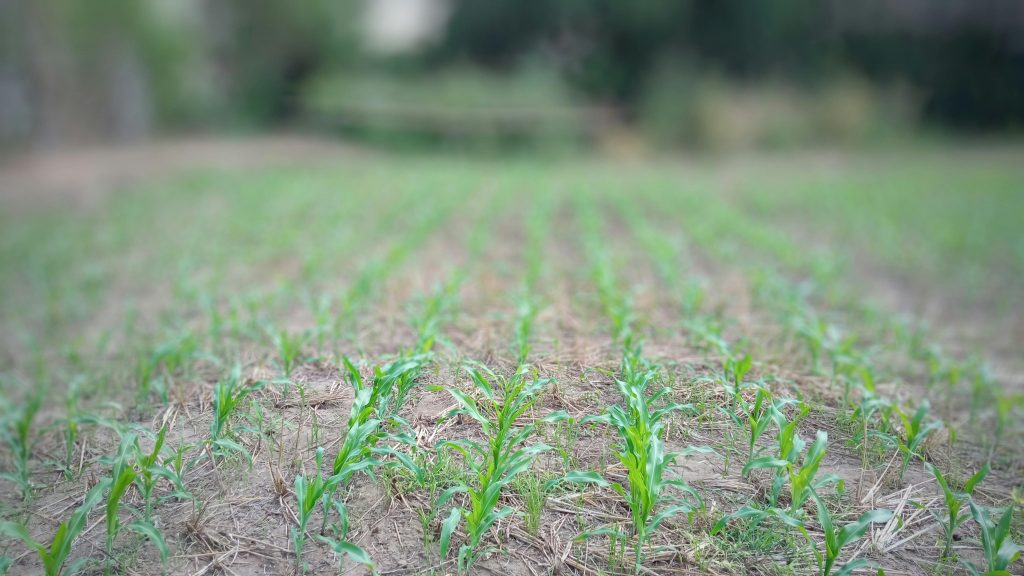
New transplants can fool you.
A tomato plant may look sturdy in the tray. A pepper may have dark leaves and a strong stem. A flat of annual flowers may look full and ready. A young shrub may look healthy when it comes off the truck. But once that plant is moved into a field, garden bed, container, lawn edge, or landscape, the real test begins below the surface.
The root system has to leave the comfort of the pot or plug and start working in a new soil environment. That soil may be cooler, heavier, wetter, drier, more compacted, less biologically active, or more variable than the growing media the plant came from. In May, those changes can happen fast. A cloudy planting day may be followed by bright sun and wind. A bed that was moist at planting may crust over after a rain. A container may dry out by afternoon. A field transplant may sit in cool soil for several days before growth resumes.
That is why feeding new transplants requires patience.
The goal is not to force growth immediately. The goal is to help roots establish without injuring them.
A new transplant can benefit from fertilizer, especially when the soil is cool, low in fertility, or lacking the nutrients needed for root development. But tender roots are also more sensitive to concentrated fertilizer salts, dry soil, poor placement, and overapplication. West Virginia University Extension gives a simple warning for transplant fertilizer: more is not better, and too much fertilizer can cause fertilizer burn.
That warning belongs in every May planting conversation.
When a plant is transplanted, it goes through a transition. Roots that were growing in a light potting mix now have to explore field soil, garden soil, raised bed mix, or landscape backfill. The plant has to adjust to different moisture patterns, temperatures, nutrient availability, and microbial activity.
During that period, top growth may pause. That pause is not always a problem. It often means the plant is working underground.
A common mistake is to see a stalled transplant and immediately add more fertilizer. Sometimes a mild feed helps. Other times, the plant is not hungry yet. It may be dealing with cool soil, transplant shock, poor root contact, dry root ball edges, waterlogged soil, or sunlight and wind stress.
Fertilizer cannot correct every planting problem.
If the root ball was planted too high and dries out, fertilizer will not fix it. If the soil was packed too tightly around the plant, oxygen may be limited. If the planting hole is glazed in heavy clay, roots may struggle to move outward. If the plant was not hardened off, it may wilt from sun and wind even when soil fertility is adequate.
Before feeding, look at the basics. Is the plant watered in? Is the root ball in full contact with the surrounding soil? Is the soil moist but not saturated? Is the plant protected from the harshest part of the day during establishment? Are roots likely to grow outward, or are they trapped in a tight, dry, or wet zone?
Fertilizer works best after those basics are right.
Fertilizer burn usually comes from concentration.
When soluble fertilizer is too strong, placed too close to roots, applied to dry soil, or allowed to sit against stems and tender tissue, it can pull water away from plant cells or injure roots directly. Young roots are especially vulnerable because they are small, actively growing, and not yet spread through much soil volume.
This is one reason starter fertilizers are used carefully. Penn State Extension explains that starter fertilizers can help young seedlings because their root systems are limited, but it also warns that some fertilizer materials can cause seedling injury and should not be placed directly with seed at high rates.
The same principle applies to transplants. A little fertility in the right place can help. Too much fertility in the wrong place can damage the root system the plant needs most.
Fertilizer burn risk increases when:
The better approach is gentle, even, and well-watered.
A transplant does not need to be pushed. It needs to be supported.
May is a transition month, and transition months are hard on plants.
In northern areas, soil may still be cool when warm-season crops go into the ground. Tomatoes may tolerate that better than peppers, but both will slow down if the root zone is cold. In southern and warmer regions, May can already bring heat, wind, and fast drying. In many parts of the country, heavy spring rain can leave beds wet for days, then sunshine can crust the surface.
All of those conditions affect fertilizer response.
Cold soil slows root activity. Wet soil reduces oxygen. Dry soil increases fertilizer concentration near roots. Compacted soil limits rooting. Wind and sun increase water demand before roots are established.
That is why feeding new transplants should be tied to conditions, not just the calendar.
If plants were set out yesterday and are wilting in hot afternoon sun, fertilizer is probably not the first answer. Water management and temporary protection matter more. If plants were planted a week or two ago and are now showing new growth, a light feeding may be useful. If roots are moving and the soil is warming, the plant is more ready to use nutrients.
May transplant feeding is about reading the plant’s recovery.
For new transplants that need a mild liquid feed, Pacific Bounty Liquid Fish Fertilizer fits naturally into a May program.
Supply Solutions lists Pacific Bounty as a 2.0-0.5-1.25 organic fish fertilizer derived from fish protein hydrolysate and molasses. The product page describes it as supporting roots, soil, young plants, transplants, vegetables, fruits, berries, citrus, and slightly acidic-soil-loving crops. It also notes that the fertilizer provides water-soluble nitrogen for fast uptake without burning when used as directed.
That makes the product especially useful when the plant needs encouragement but not a harsh push.
New transplants often need a small amount of available nitrogen to restart growth, but they also need root support and moisture consistency. A fish-based liquid feed can be applied as a soil drench around the base of the plant, helping place nutrients where young roots are beginning to grow.
The timing is important. Pacific Bounty is best used when the transplant has been watered in and the soil is moist enough to receive the application. It should not be treated as a substitute for proper planting depth, root ball moisture, or soil preparation. The product supports the plant; it does not undo a poor transplanting job.
For tomatoes, peppers, berries, citrus, herbs, flowers, and container plants, it can help bridge the gap between planting and active growth. In gardens, it fits when newly set plants need a gentle feed after establishment. In containers, it fits because potting media has limited nutrient reserves and frequent watering can wash nutrients through the pot.
The problem it solves is transplant lag caused by low early nutrient availability or weak early feeding. The best timing is early establishment, once roots are ready to begin working. The main caution is to follow label rates and avoid thinking that a stronger mix will work faster.
Not all transplant fertility should come after planting. Some of the best support is built into the soil before the plant goes in.
Fish Bone Meal 6-13-0 + 14% Calcium fits that foundation role. Supply Solutions describes it as an organic fish bone meal fertilizer with 6% nitrogen, 13% phosphorus, and 14% calcium, designed to support stronger roots, brighter blooms, tomatoes, flowers, bulbs, vegetables, and slow-release feeding.
That nutrient profile makes sense for transplants.
Phosphorus is important during establishment because it supports root development and energy movement inside the plant. Calcium supports cell wall strength and plant tissue development. The moderate nitrogen level provides some growth support without making nitrogen the main emphasis.
Fish Bone Meal is especially useful at transplanting because it releases more gradually. It is not intended to be a quick rescue product after a plant is already stressed. It belongs in the planting hole or bed preparation, mixed properly according to directions so roots can access it as they expand.
For tomatoes, peppers, squash, cucumbers, melons, flowers, bulbs, and root crops, this kind of slow-release phosphorus and calcium support can be valuable. It helps solve a common May problem: young plants need root and structural support before they need heavy top growth.
The timing is before planting or at transplanting. For established plants, it can also be used as a side-dress according to product directions, but its strongest transplant value is in building a nutrient zone that young roots can grow into.
The placement matters. It should not be dumped in a concentrated pile directly under tender roots. Organic does not mean impossible to overapply. Mix it with soil as directed, water well, and let the plant grow into it.
For gardeners, small farms, food crop beds, and landscape plantings that need steady organic nutrition, 4-3-2 Nutri-Proganic Pellet is another May transplant option.
Supply Solutions lists this product as an organic chicken manure fertilizer with a 4-3-2 analysis, intended to provide balanced nutrition, support photosynthesis, roots, blooms, resilience, soil moisture, and drainage. The product page positions it as useful for gardens, lawns, food crops, and maintaining soil quality.
The lower analysis is part of its value around transplants. A 4-3-2 fertilizer is not trying to force fast growth with a heavy nutrient push. It provides slow, steady organic feeding that fits May beds where soil biology is becoming more active as temperatures rise.
This product fits best when the goal is to support the soil as well as the plant. For vegetable beds, it can provide organic fertility before or after transplanting. For flowers and mixed plantings, it can help maintain steady nutrition. For small farms and home gardens, the pellet form is practical to handle and spread.
The problem it solves is low slow-release fertility in beds where plants need steady nutrition beyond the first week after planting. It also fits soils that need organic matter-based fertility rather than only soluble feeding.
The timing is before planting, at bed preparation, or as an early-season feed when plants are established enough to use it. As with all fertilizers, it should be applied according to directions and watered in. It should not be piled against stems or concentrated directly on tender roots.
Nutri-Proganic Pellet is a good reminder that not every transplant needs a fast feed. Sometimes the best support is a steady background fertility that keeps releasing as roots expand.
A good May transplant program often uses liquid and dry fertility differently.
A liquid feed such as Pacific Bounty Liquid Fish Fertilizer works quickly because nutrients are already in solution. It is useful when a plant needs gentle support during establishment or when containers and young crops need regular light feeding.
A dry organic amendment such as Fish Bone Meal 6-13-0 + 14% Calcium works more gradually. It belongs in the soil foundation, especially where root development, phosphorus, and calcium matter.
A pelletized organic fertilizer such as 4-3-2 Nutri-Proganic Pellet provides slow, steady feeding for beds, gardens, lawns, and food crops where the grower wants balanced organic nutrition over time.
These products are not interchangeable. They fit different moments.
At planting, Fish Bone Meal may support roots and calcium. During early establishment, Pacific Bounty may help a transplant begin active growth. As the bed warms and roots spread, Nutri-Proganic Pellet may provide steady organic nutrition.
The best approach depends on the crop, soil test, weather, planting method, and grower preference. The point is to understand the role of each product instead of applying everything at once.
Tomatoes and peppers are two of the most common May transplants, and they show the difference between feeding and forcing.
Tomatoes often recover from transplanting faster, especially when soil is warm and roots are handled well. Peppers are more likely to sit still in cool soil. A pepper plant that does not grow much for a week after planting may not be deficient. It may simply be waiting for warmer root-zone conditions.
For both crops, a transplant program should focus on root contact, steady moisture, and balanced fertility.
Fish Bone Meal can fit at planting when phosphorus and calcium support are needed. Pacific Bounty can fit as a mild liquid feed once plants are watered in and beginning to establish. Nutri-Proganic Pellet can fit in the bed as a slow-release organic base.
The caution is nitrogen. Too much nitrogen early can push soft leaves before the root system is ready, and in tomatoes it can encourage excessive vegetative growth at the expense of balanced flowering later. These crops need nitrogen, but they do not need to be pushed into rank growth immediately after transplanting.
Look for new growth before increasing feeding. A plant putting out fresh leaves is telling you roots are beginning to work. That is the right time to support growth gradually.
Squash, cucumbers, melons, pumpkins, and related crops can be sensitive to root disturbance. Many growers prefer direct seeding when soil is warm enough, but transplants are often used to gain time or improve stand consistency.
With cucurbits, gentle handling matters. Avoid breaking roots. Do not let transplants become root-bound. Plant before they get too large. Keep the root ball moist, and avoid planting into cold, wet soil.
Fertility should be mild at transplanting. Strong fertilizer too close to tender cucurbit roots can slow the plant down instead of helping it.
Fish Bone Meal can support the planting zone when mixed properly. Pacific Bounty can be used gently after establishment to support early growth. Nutri-Proganic Pellet can provide slow organic nutrition in the bed.
The main need is not a heavy feed on day one. The main need is to get the plant growing without interruption. Once vines begin running, nutrient demand increases and the fertility program can shift.
May annuals often arrive looking ready to perform. Petunias, marigolds, impatiens, begonias, coleus, zinnias, salvia, and other bedding plants may already have color when they are installed.
That color can create pressure to feed hard right away, especially in landscape work where customers want instant impact.
But annuals still need roots.
A flower in a small cell or pot has to move into the bed before it can keep blooming through heat. If it is pushed too hard before establishment, it may stretch, wilt, or fade early. If the soil is dry, compacted, or low in organic matter, fertilizer alone will not carry it.
Pacific Bounty can fit annual beds and containers as a gentle liquid feed after planting. Nutri-Proganic Pellet can fit bed preparation where slow organic fertility is desired. Fish Bone Meal can fit flowering plantings where phosphorus and calcium support are part of the soil plan.
The practical timing is simple: plant well, water thoroughly, allow roots to begin establishing, then feed steadily. Bloom performance in July is often built by root establishment in May.
New shrubs and trees are different from vegetables and annuals because their establishment period is longer. A shrub may take months to fully root into the surrounding soil. A tree may take years to establish, depending on size, species, site conditions, and weather.
Fertilizer can support growth, but heavy feeding at planting is often unnecessary and sometimes harmful if it encourages top growth before roots are established.
For shrubs and trees, the first priorities are correct planting depth, root flare exposure, proper backfill, watering, mulch, and protection from stress. Fertility should be based on soil conditions and plant need.
Fish Bone Meal may fit some shrub and tree plantings when mixed correctly and when phosphorus and calcium are appropriate. Nutri-Proganic Pellet can fit broader landscape bed fertility where slow organic feeding is desired. Pacific Bounty may be used around the root spread area according to product directions for trees and shrubs, but it should not replace deep watering and proper planting.
The problem in many landscape installations is not lack of fertilizer. It is poor root establishment. Dense soil, circling roots, buried root flares, mulch piled against trunks, and irregular watering cause far more problems than a missed feeding.
Feed new woody plants carefully and only for a clear reason.
Containers are a different transplant environment because the root zone is limited.
A plant in the ground can eventually explore a larger soil volume. A plant in a pot can only use what is inside that container. Water and nutrients move through the mix quickly. In May, containers can dry out fast, especially in sun and wind.
That makes fertilizer burn more likely if the container dries before feeding. When a potting mix is very dry, fertilizer solution can become concentrated around roots. It is better to moisten the mix first, then feed according to directions.
Pacific Bounty fits containers because it can be mixed with water and applied around the plant as a liquid feed. Supply Solutions includes container directions for new and established plants on the product page, making it a practical fit for patio vegetables, flowers, herbs, and young container plantings.
Fish Bone Meal can be mixed into container soil for new plantings when phosphorus and calcium are part of the plan. Nutri-Proganic Pellet can fit larger containers or raised planters where slow-release organic feeding is desired.
The key is drainage. No fertilizer can fix a container that holds water around the roots. The pot should drain, the mix should stay moist but not saturated, and feeding should follow plant demand.
A transplant does not need to be fertilized heavily just because it is in the ground.
Look for readiness.
New leaves are a good sign. A plant that is producing fresh growth is usually beginning to root. Firm stems and steady color also suggest the plant is adjusting. Reduced wilting during the heat of the day means the root system is starting to keep up with water demand.
For vegetables, roots should begin leaving the transplant zone and entering surrounding soil. For flowers, plants should begin filling out instead of only holding the original greenhouse shape. For shrubs, new shoot growth may appear, but the better sign is stable moisture use and lack of stress.
When those signs are present, gentle feeding makes sense.
When a plant is wilted, newly planted, sunburned, waterlogged, cold, or root-damaged, fertilizer should be handled carefully or delayed. Fix the stress first.
Even a good product can cause trouble if it is placed poorly.
Do not pile dry fertilizer against stems. Do not concentrate granular fertilizer directly on tender roots. Do not pour strong liquid fertilizer over dry root balls. Do not assume that organic products can be applied carelessly. Do not keep feeding a plant that is not growing.
Better placement means putting nutrients where roots will grow, not where they will be injured.
For planting-hole amendments like Fish Bone Meal, mix according to directions so the roots grow into a moderated zone. For pelletized products like Nutri-Proganic, distribute evenly and water in. For liquid products like Pacific Bounty, apply to moist soil around the root zone rather than relying on foliar contact during hot conditions.
Watering in is not a small detail. It helps move nutrients into the soil, reduces concentration near the surface, and supports root contact.
A strong May transplant plan starts before the plant goes in.
Prepare the soil so roots can move. Avoid planting into saturated beds. Loosen compacted areas without turning wet soil into clods. Add appropriate amendments before planting, not after roots are already stressed. Water transplants before planting so dry root balls do not pull moisture away from surrounding soil.
At planting, use foundation products carefully. Fish Bone Meal 6-13-0 + 14% Calcium fits when phosphorus and calcium support are needed for roots, blooms, vegetables, bulbs, and fruiting crops. Mix it properly and avoid direct concentration against tender roots.
After planting, water thoroughly. Let the plant settle. Watch for new growth.
During early establishment, Pacific Bounty Liquid Fish Fertilizer can provide gentle organic liquid feeding for young plants, transplants, vegetables, fruits, berries, citrus, containers, and slightly acidic-soil-loving crops. Use it when the plant is ready to begin active growth and the soil is moist.
For a longer slow-release organic base, 4-3-2 Nutri-Proganic Pellet fits garden beds, food crops, lawns, and mixed plantings where steady nutrition and soil quality are part of the goal. Apply it evenly, water it in, and let soil biology do the gradual work.
The best transplant feeding is not aggressive. It is steady, observant, and matched to root development.
May planting success depends on what happens in the first few weeks after transplanting. Plants need moisture, oxygen, root contact, and gentle nutrition before they can handle stronger growth. Supply Solutions offers products that fit different parts of that establishment window, including Pacific Bounty Liquid Fish Fertilizer for gentle early liquid feeding, Fish Bone Meal 6-13-0 + 14% Calcium for root and planting-stage support, and 4-3-2 Nutri-Proganic Pellet for slow-release organic fertility. Used carefully, at the right time, and with proper watering, these products help new transplants move from survival into steady growth without burning the tender roots that the season depends on. Contact Supply Solutions for help matching the right transplant fertilizer approach to your crop, soil, and May growing conditions.
Clay soil can be some of the most productive soil a grower will ever work with. It can hold nutrients. It can hold moisture. It
A greener May lawn does not start with the mower. The mower shows the result, but the real work is happening underneath the turf. Roots
Give us a call or visit our store, and we’ll help you find the right solution for your business.
© Supply Solutions LLC 2025