
Uncategorized
What Fertilizer Should You Use If Your Soil Test Is Delayed?
It happens more often than expected. You’re ready to plant, conditions are lining up, but your soil test results aren’t back yet. Maybe they’re delayed,
In essence, organic fertilizers are naturally occurring fertilizers utilized to enhance soil, plant, or lawn health and promote growth. Commonly, organic fertilizers encompass animal by-products like cattle manure, slurry, guano, or poultry droppings, all classified as organic sources. Additionally, plant-based substances such as compost and biosolids contribute to the composition of organic fertilizers. Biosolids, solid organic matter obtained from sewage treatment, are also part of this category. Inorganic fertilizers, on the other hand, consist of minerals or ash. Peat, agricultural plant residues, and treated sewage sludge are examples of other organic fertilizers.
The application of organic fertilizer fosters the growth of beneficial soil microorganisms, consequently enhancing soil structure. Microbes in the soil transform organic fertilizer into soluble nutrients, facilitating plant absorption. Unlike synthetic fertilizers, organic fertilizers derived from natural materials supply plants with essential secondary and micronutrients. Below, we outline additional reasons advocating for the use of organic fertilizers.
Sustainable and Environmentally Friendly
Chemical runoff from synthetic fertilizers enters waterways, contributing to the contamination of groundwater—a significant issue associated with pesticide use. In contrast, organic fertilizers exhibit reduced, if any, runoff and form a connection with soil structure.
Moreover, the runoff dilemma is exacerbated by the presence of pesticides in synthetic fertilizers. Organic fertilizers address this concern by replacing these pesticides, thereby enhancing soil structure and promoting water infiltration. By bolstering nutrient retention in plants, organic fertilizers substantially diminish the potential for groundwater pollution. In regions grappling with pollution challenges, the transition to organic agriculture is actively recommended.
Nutrient Release from Organic Fertilizers Lasts Longer
The breakdown of organic fertilizers by the soil is a diligent process, ensuring that both the soil and plants receive the necessary nutrition precisely when needed. This stands in contrast to synthetic fertilizers, which often lead to fertilizer burn by overfeeding plants without benefiting the soil. The gradual release of nutrients from organic fertilizers is attributed to their lower NPK analysis, containing less nitrogen, phosphorus, and potassium compared to synthetic counterparts. Despite taking a bit longer to observe results, organic fertilizers sustainably nourish both plants and soil over an extended period, resulting in a consistently greener lawn.
The slow release of nutrients from organic fertilizers contributes to a more even growth rate in plants. This gradual nourishment fosters the development of robust root systems, reducing stress on plants and enhancing their resilience against diseases and pests. Additionally, these slow-release organic fertilizers demonstrate environmental friendliness by minimizing nutrient leaching from the soil. Their infrequent application, thanks to the gradual release of supportive minerals, further underscores their positive impact on the environment.
Organic Fertilizers are 100% Safe
While the idea of consuming organic fertilizer is not ideal, you can be assured that these fertilizers are environmentally, family, and pet-friendly! Unlike synthetic fertilizers, which can pose risks to both your yard and furry companions, organic fertilizers offer a safer alternative. The production and processing of synthetic fertilizers demand a substantial amount of fossil fuels, unlike the more eco-friendly, less concentrated, and non-toxic nature of organic fertilizers. Regular use of organic fertilizers doesn’t contribute to pollution; instead, it promotes a healthier and more sustainable future.
True to their name, organic fertilizers are made from biodegradable materials, ensuring they do not release harmful chemicals or salts that can harm the environment. These products are not only safe but also environmentally friendly, sustainable, and renewable.
Helps Save Time and Money
Organic fertilizers provide a natural way to nourish plants, reducing the need for additional substances and saving both time and money. Many gardeners opt to create their own compost, contributing to the self-sustaining nature of organic fertilization. The slow release of nutrients in organic fertilizers makes it challenging to over-fertilize your lawn, resulting in less frequent applications. This not only benefits your lawn by allowing it to gradually absorb the nutrients but also translates to cost and time savings over the long term.
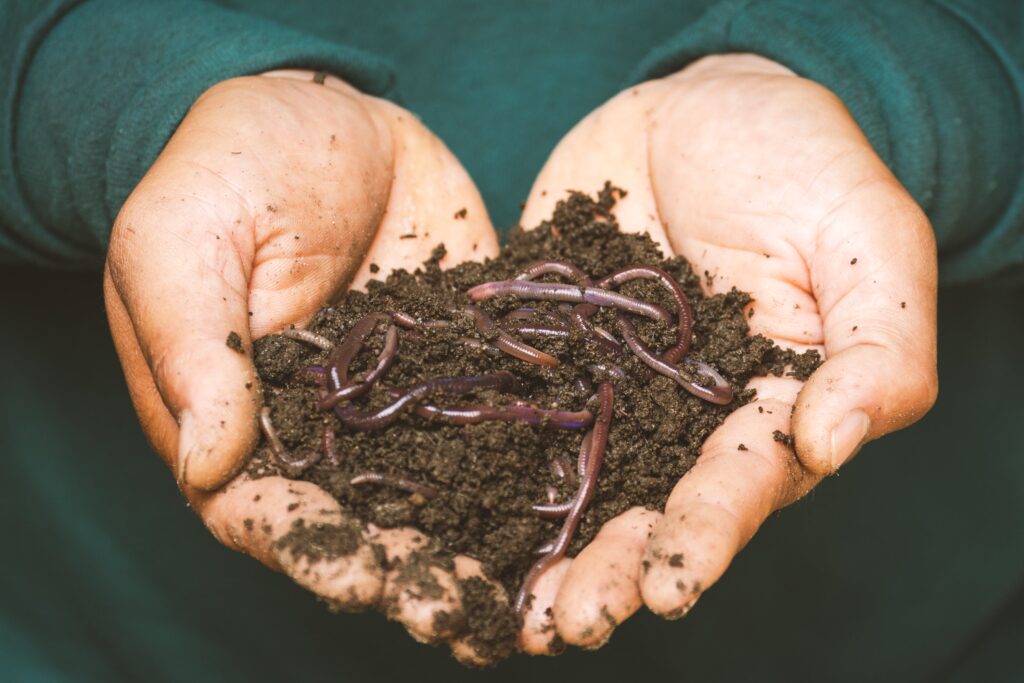
While store-bought organic fertilizers may seem more expensive, there are budget-friendly alternatives such as worm castings that are more economical than synthetic or commercially available organic options. Organic fertilizers, with their natural components, outperform the chemicals found in synthetic alternatives, providing a tailored approach to fostering healthy plant growth. Additionally, many organic fertilizers are self-propagating, promoting sustainability and reducing long-term costs. For instance, the simple process of allowing plants to naturally decompose and fertilize the soil creates compost, ensuring a continuous cycle of nourishment for successive plantings.
Organic Fertilizers Fight Diseases and Pests Naturally
Elevated nitrogen levels in plant tissue have been shown to diminish resistance and heighten vulnerability to pest attacks. Organic fertilizers offer a natural defense against diseases and pests, containing organic materials that exhibit increased resistance to fungi and insect infestations.
While it’s true that organic fertilizers can attract pests, they also draw beneficial insects like ladybugs, bees, and dragonflies. These beneficial insects play a crucial role in controlling and consuming harmful pests that could jeopardize the health of your garden. By fostering a balanced insect ecosystem, organic fertilizers contribute to the overall well-being of your yard.
Easy to Apply
The ease of application sets organic fertilizers apart, offering a user-friendly alternative to their synthetic counterparts. Using these natural products requires no protective clothing or specialized equipment, making the application process straightforward. In the event of spills or over-application, the organic nature of these fertilizers ensures a “no harm, no foul” scenario.
For those on a budget, creating your own organic fertilizer is a viable option. Composting emerges as a cost-effective method, allowing you to precisely know the composition of the fertilizer you apply to your yard and plants. Additionally, purchasing organic fertilizers from local sources, such as dairy farmers offering composted manure, provides another accessible and transparent option. By doing so, you gain insight into the fertilizer’s composition, ensuring you are fully aware of what nourishes your plants.
Organic Fertilizers Have a Positive Impact on Soil
The presence of organic matter in organic fertilizer enhances the soil’s buffer capacity, bolstering its ability to resist pH fluctuations. As pH changes can impact soil nutrients, the heightened microbial activity induced by organic fertilizers contributes to increased nutrient levels. The flourishing bacterial and fungal activity in the soil plays a key role in releasing nutrients to plants, ultimately fostering the development of nutrient-rich and fertile soil.
Furthermore, organic fertilizers play a role in enhancing soil texture, promoting prolonged water retention. The components within organic fertilizer stimulate activity among earthworms and microorganisms in the soil. This dual enhancement improves both the content and structure of the soil, facilitating superior infiltration and water-holding capabilities.
For more information about organic fertilizers, contact us now!
It happens more often than expected. You’re ready to plant, conditions are lining up, but your soil test results aren’t back yet. Maybe they’re delayed,

Starting a crop for the first time brings a different kind of pressure. There’s a lot of information, a lot of opinions, and not always
Give us a call or visit our store, and we’ll help you find the right solution for your business.
© Supply Solutions LLC 2025