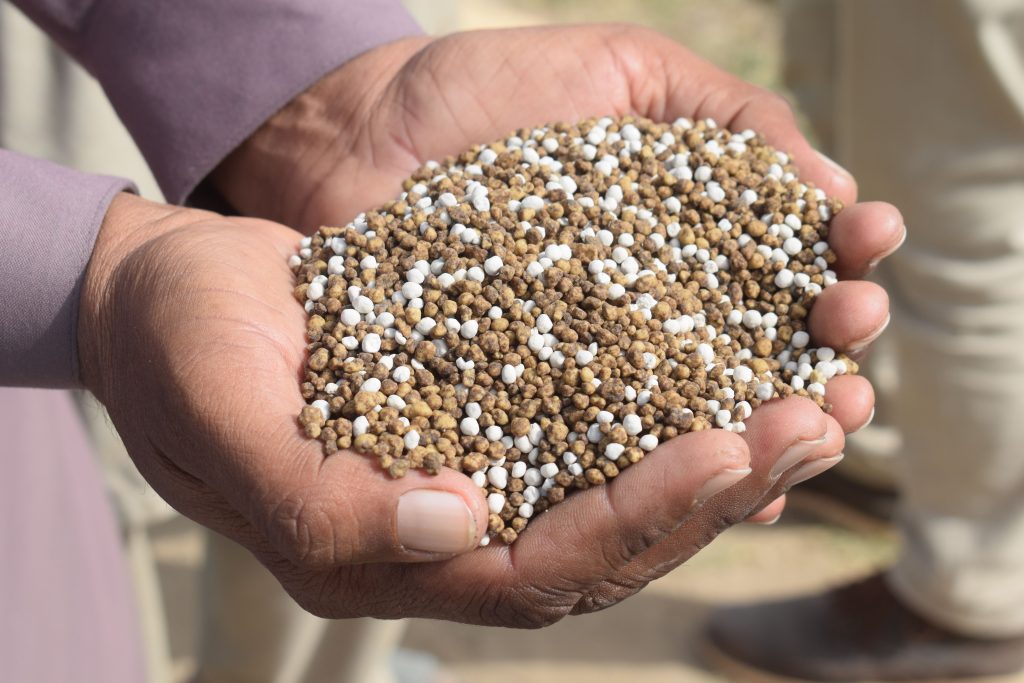
Potassium fertilizer is often purchased by comparing the number on the bag. Muriate of potash commonly carries an analysis near 0-0-60. Sulfate of potash is commonly near 0-0-50 and may also supply sulfur. The higher-analysis material provides more potash per pound, but analysis alone does not determine the best source. Chloride content, sulfur need, crop […]
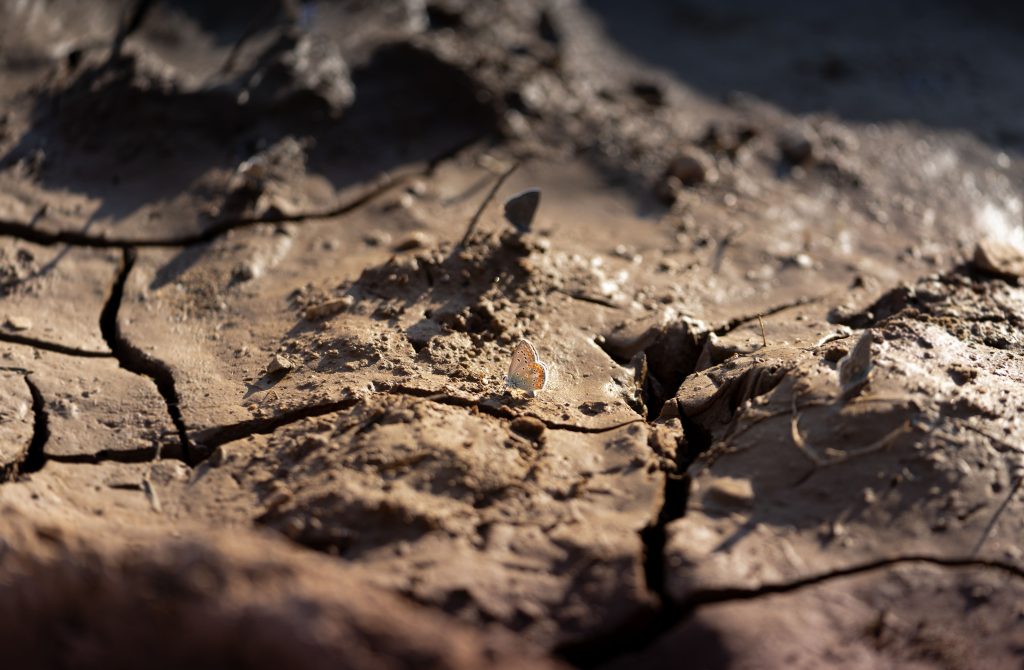
Gypsum is one of the most misunderstood soil amendments. It is often described as a material that: Some of those uses are valid under specific soil conditions. Others are incomplete or wrong. Gypsum is calcium sulfate. It supplies calcium and sulfate sulfur without functioning like agricultural lime. Its most dependable structural role occurs in sodic […]
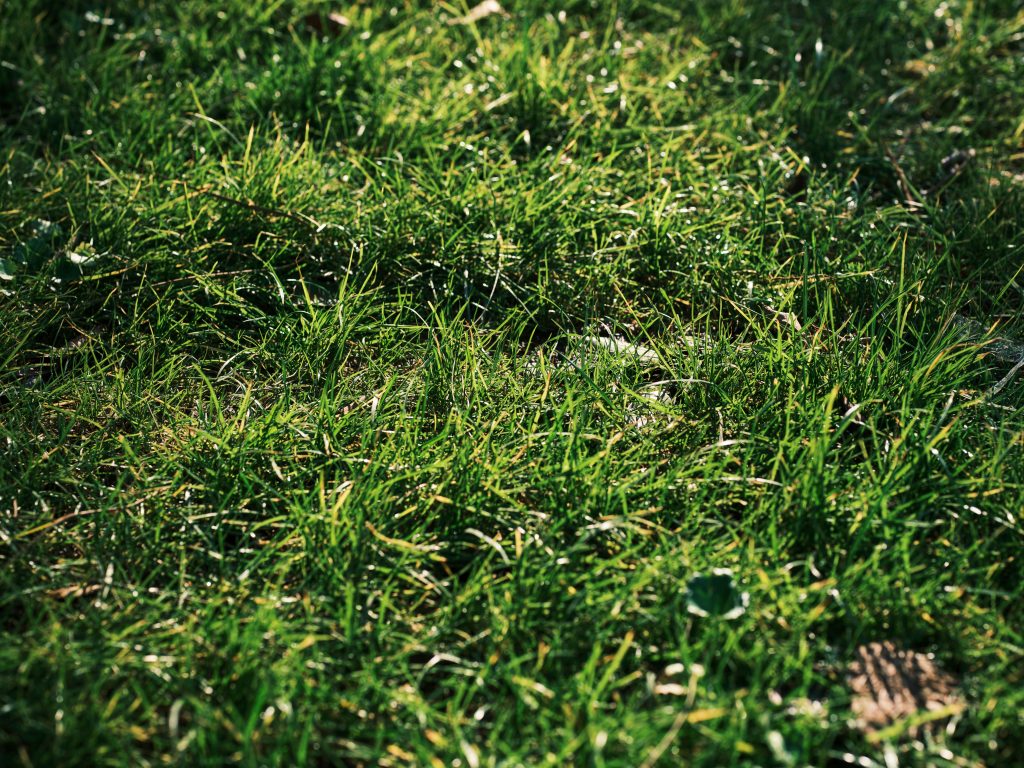
A laboratory cannot correct a poor soil sample. The analytical equipment may measure pH, phosphorus, potassium, magnesium, sulfur, salinity, or micronutrients with great precision. If the submitted soil does not represent the field, lawn, garden, orchard, or pasture, the result will still lead to a poor recommendation. The most important part of soil testing happens […]
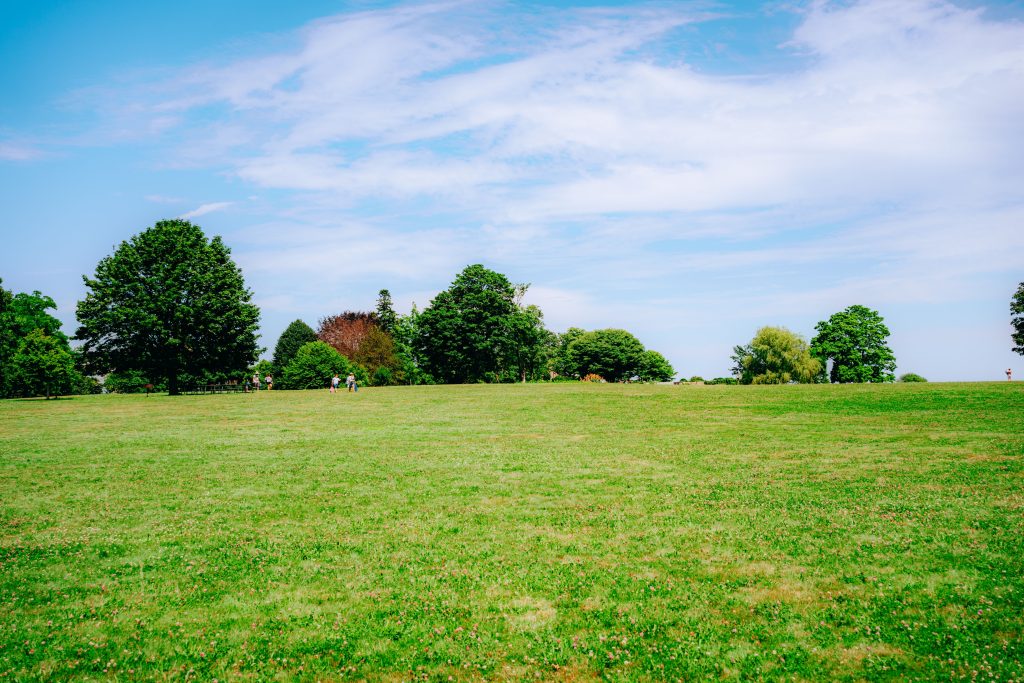
A localized dry spot is a small area that remains dry while nearby soil receives the same irrigation. The grass may wilt, turn blue-gray, thin, or become brown. Landscape plants may droop in one section of a bed while plants several feet away remain normal. Running the irrigation system longer may wet the surrounding area […]
Warm-season turf is still green in August, but the season is beginning to narrow. Bermudagrass, zoysiagrass, St. Augustinegrass, and centipedegrass remain active while temperatures are high. Their ability to use nitrogen and recover from wear can continue into late summer. The same application that supports August growth can become poorly timed when made too close […]
A cool-season lawn rarely recovers from summer in one dramatic step. The first cooler night does not immediately rebuild roots. One irrigation does not reverse weeks of drought. A nitrogen application can produce color before the turf has enough root capacity to support the new leaves. Useful recovery is gradual. Kentucky bluegrass, tall fescue, perennial […]
Late August can be one of the most productive periods for establishing a cool-season lawn. Soil remains warm enough for germination. Air temperatures begin moving toward a range favorable for Kentucky bluegrass, tall fescue, perennial ryegrass, and fine fescue. Summer weeds are approaching the end of their growth cycle, and young grass has time to […]
A brown lawn in August creates pressure to make it green. The grass may appear thin, dull, or lifeless. A fertilizer bag promises color and growth. Spreading nitrogen feels like an active response. For many heat-stressed lawns, that response is premature. Fertilizer can support turf that is actively growing, rooted, and supplied with adequate moisture. […]
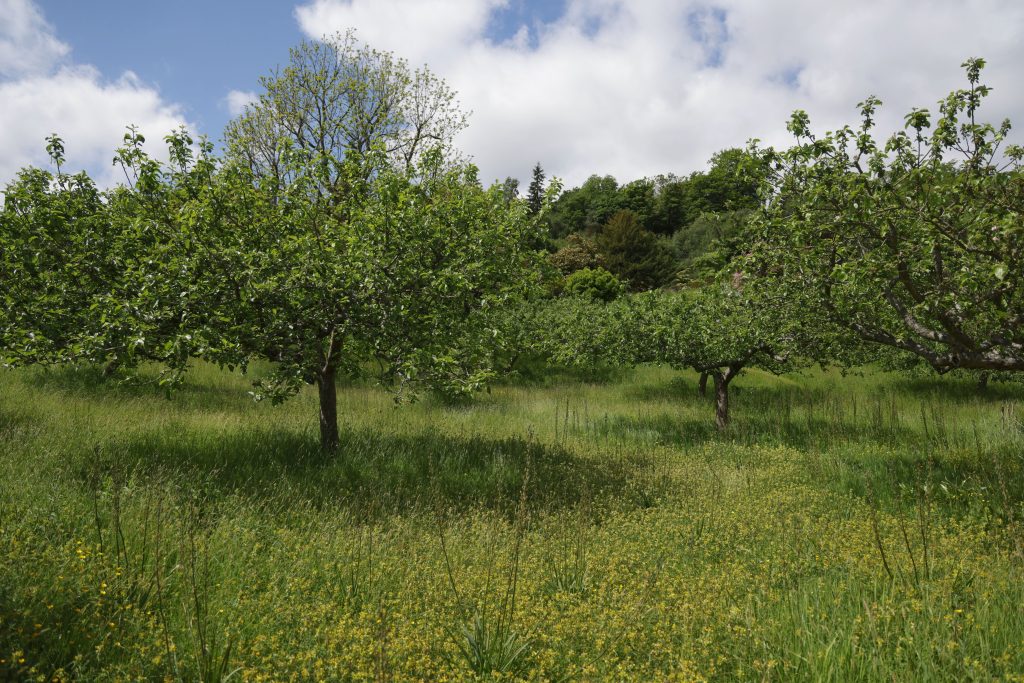
An orchard can look finished after the bins leave the row. The crop is harvested, irrigation demand begins to decline, and the urgency of the season appears to ease. Yet the trees continue storing carbohydrates, maintaining roots, developing buds, and preparing woody tissue for dormancy. That makes late summer an important period for orchard observation. […]
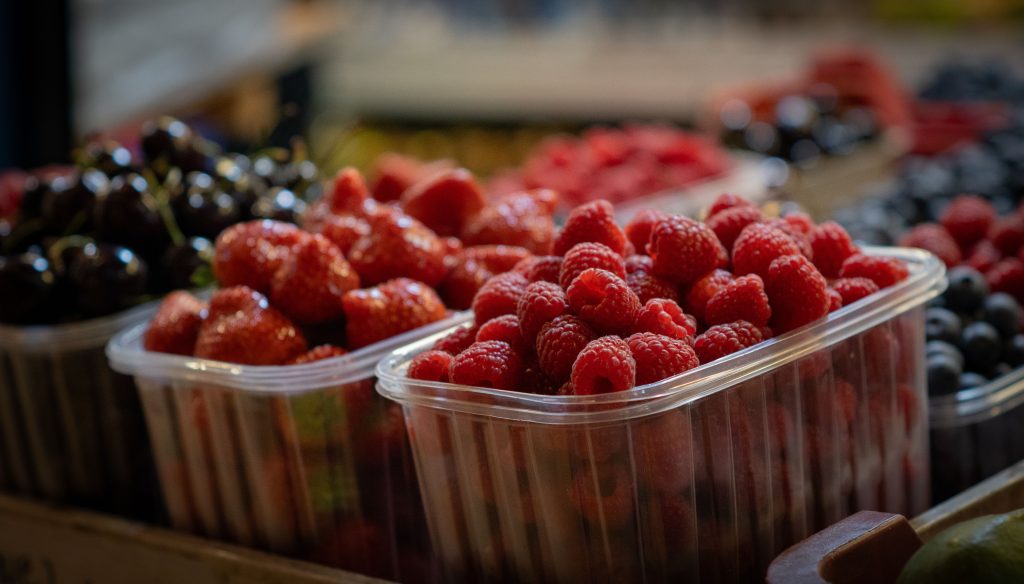
The berry harvest may be winding down, but the plants are not finished working. After fruit is removed, healthy leaves continue capturing sunlight. Roots continue taking up water and nutrients. Crowns, canes, and flower buds prepare for the next production cycle. The condition of the planting during this postharvest period can affect winter survival, cane […]
