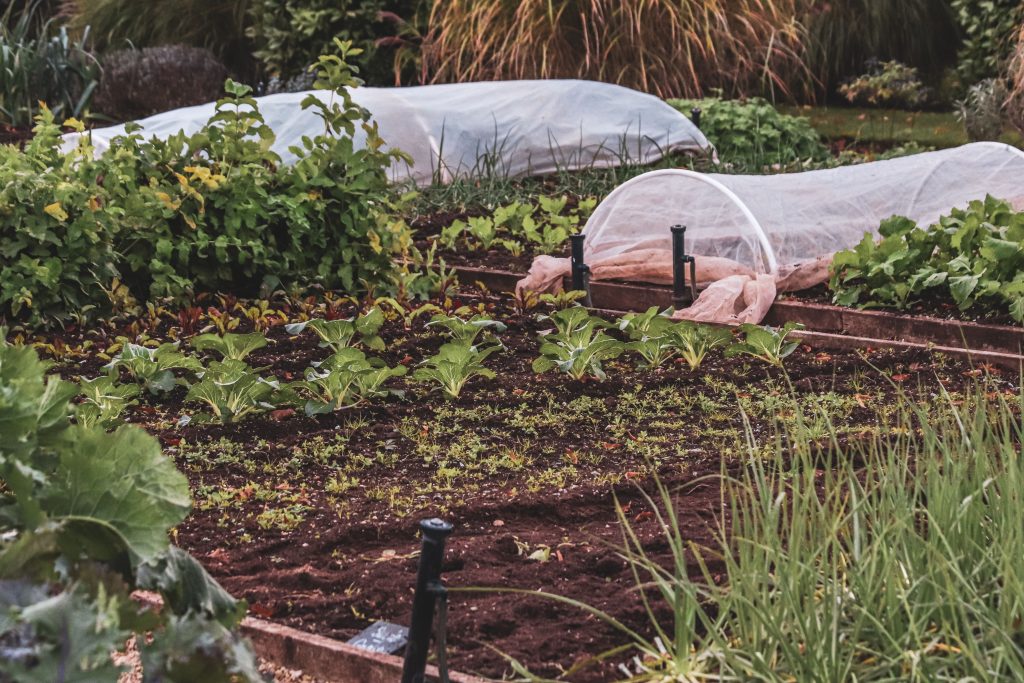
A fall garden is not simply a second spring garden planted later. The soil is warmer. Summer crops may still be using water and nutrients. Beds may contain fertilizer left from tomatoes, peppers, sweet corn, or squash. Compost and mulch have continued decomposing. Weed roots are established, and late-summer heat can make seedling establishment difficult. […]
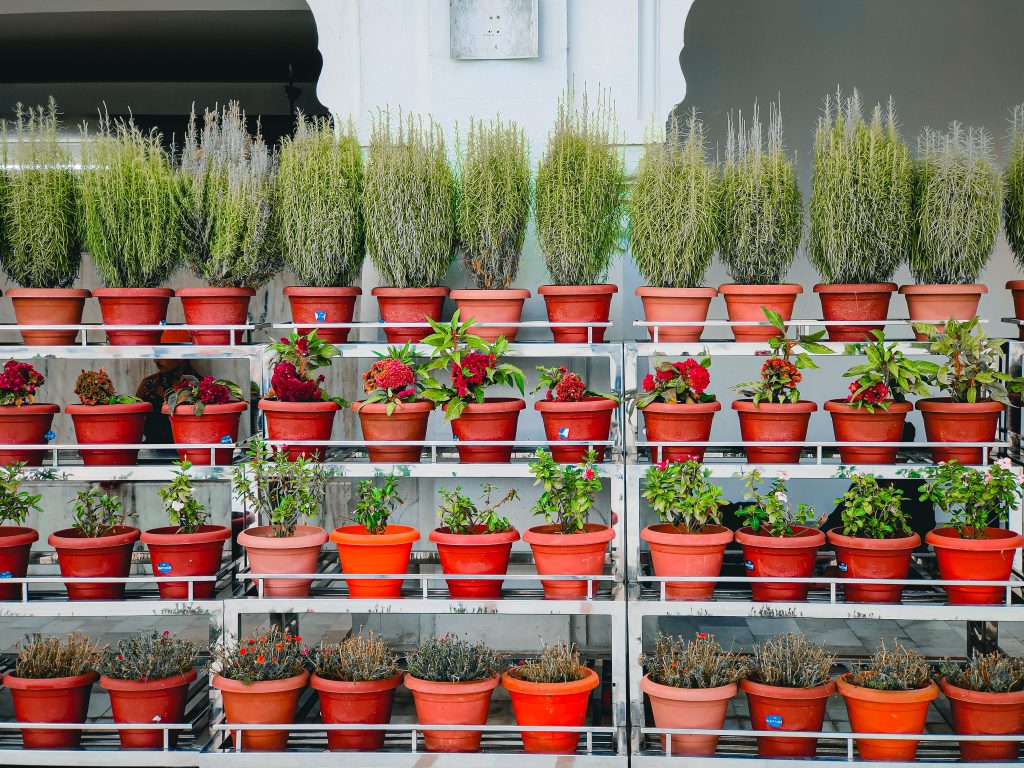
Container plants live in a small and rapidly changing root zone. A garden bed may contain thousands of pounds of soil available to a plant. A patio tomato, hanging basket, nursery shrub, or greenhouse crop may depend on only a few gallons of growing media. That limited volume heats quickly, dries quickly, accumulates salts quickly, […]
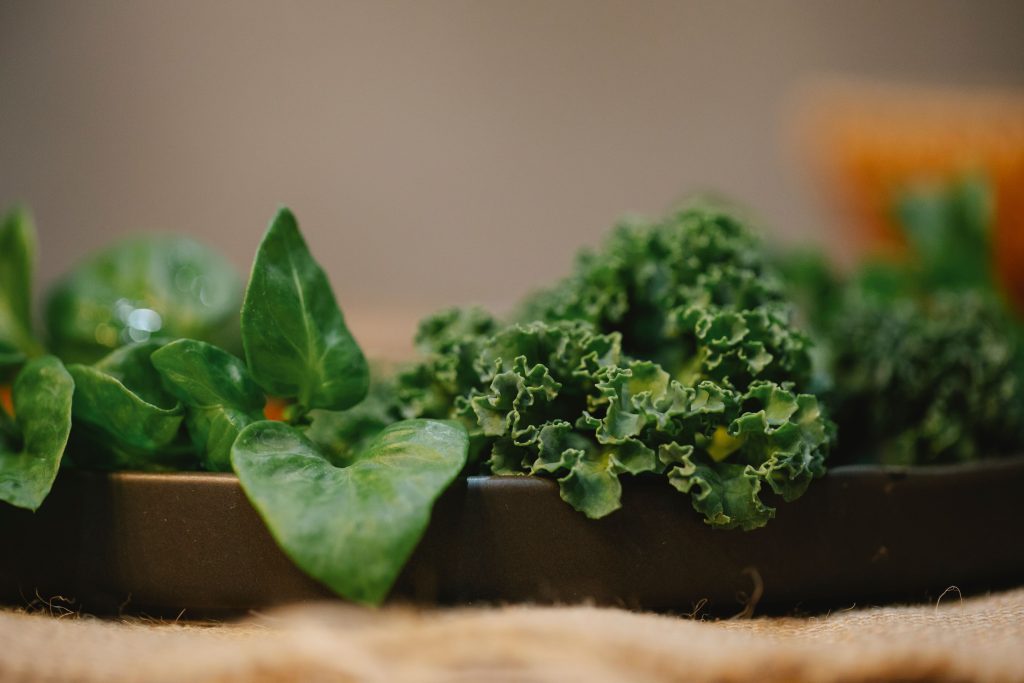
Yellow tissue between green leaf veins is one of the most recognizable plant symptoms. It is also one of the easiest to misdiagnose. Magnesium deficiency can produce interveinal chlorosis, but so can iron, manganese, zinc, disease, root injury, herbicide effects, high soil pH, waterlogging, and natural leaf aging. The location of the symptom on the […]
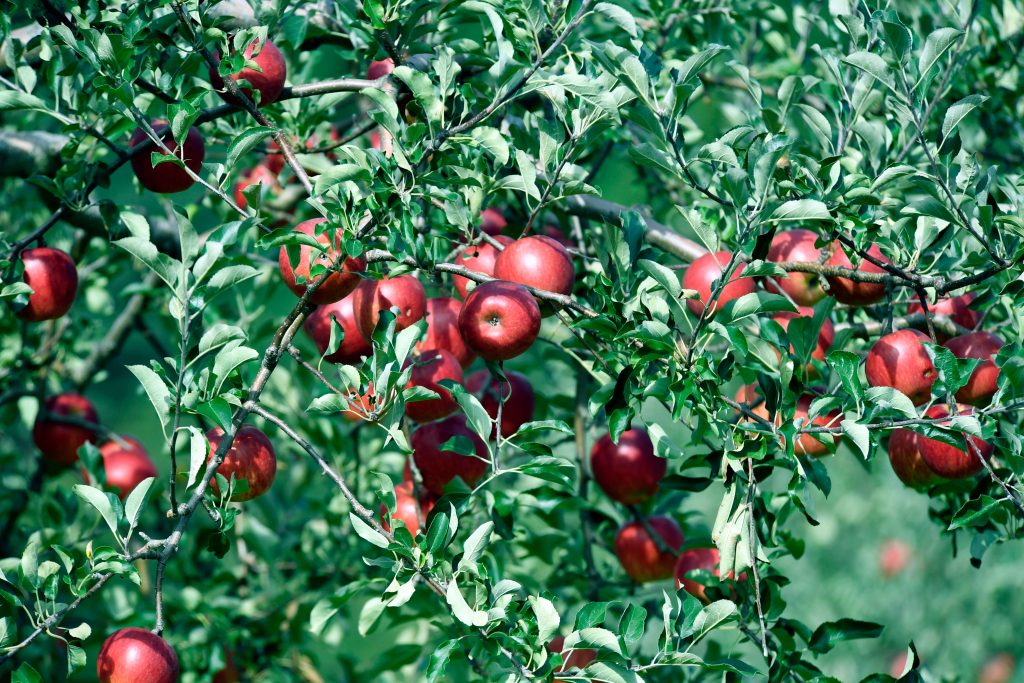
A fruiting plant has different priorities from a young transplant. Early in the season, nitrogen supports leaves and stems that build the plant’s photosynthetic capacity. Once flowering and fruit fill begin, the crop must move water, sugars, and nutrients into developing tomatoes, peppers, melons, cucumbers, berries, and other produce. Potassium becomes especially important during that […]
The dark, sunken spot on the bottom of a tomato is easy to recognize. The first reaction is often just as predictable: the plant needs calcium. Blossom-end rot is associated with inadequate calcium in the developing fruit, but that does not mean the garden soil lacks calcium. In many cases, the soil contains enough. The […]
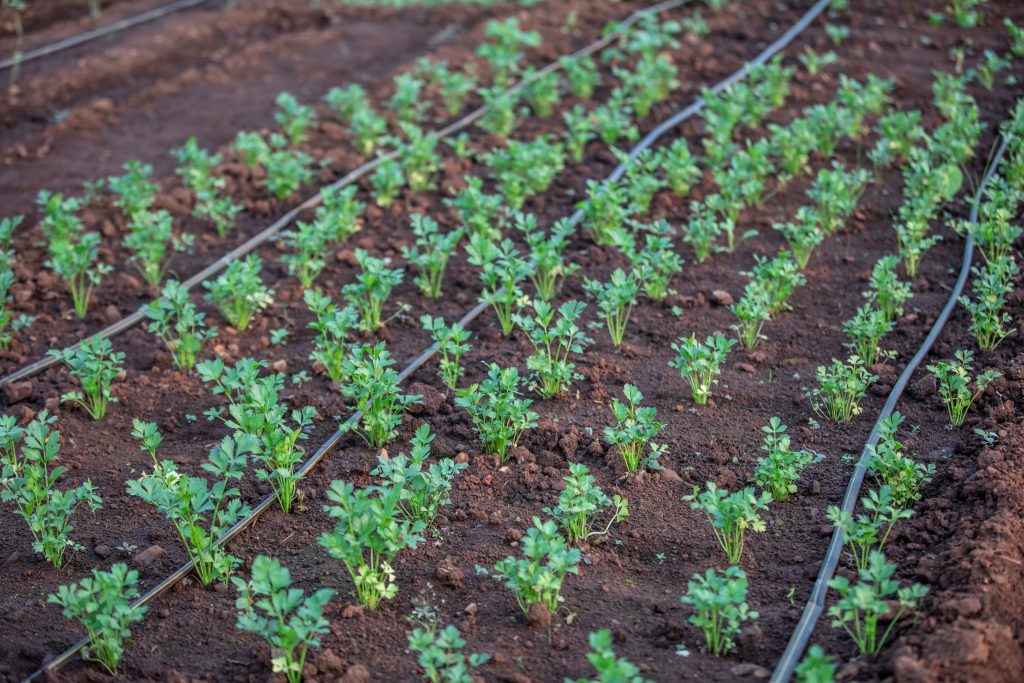
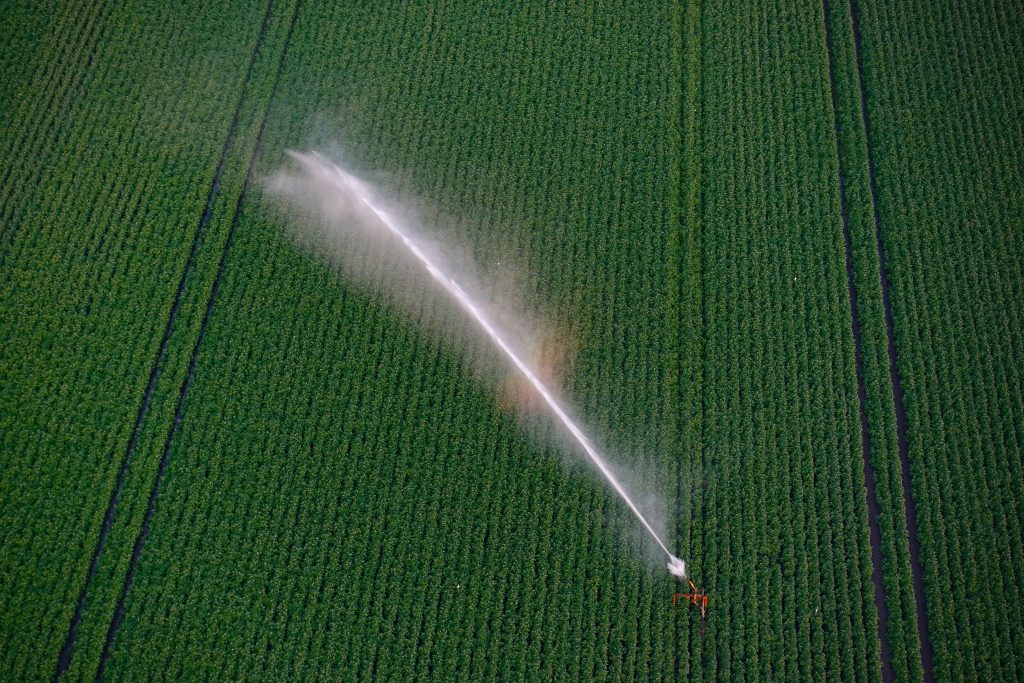
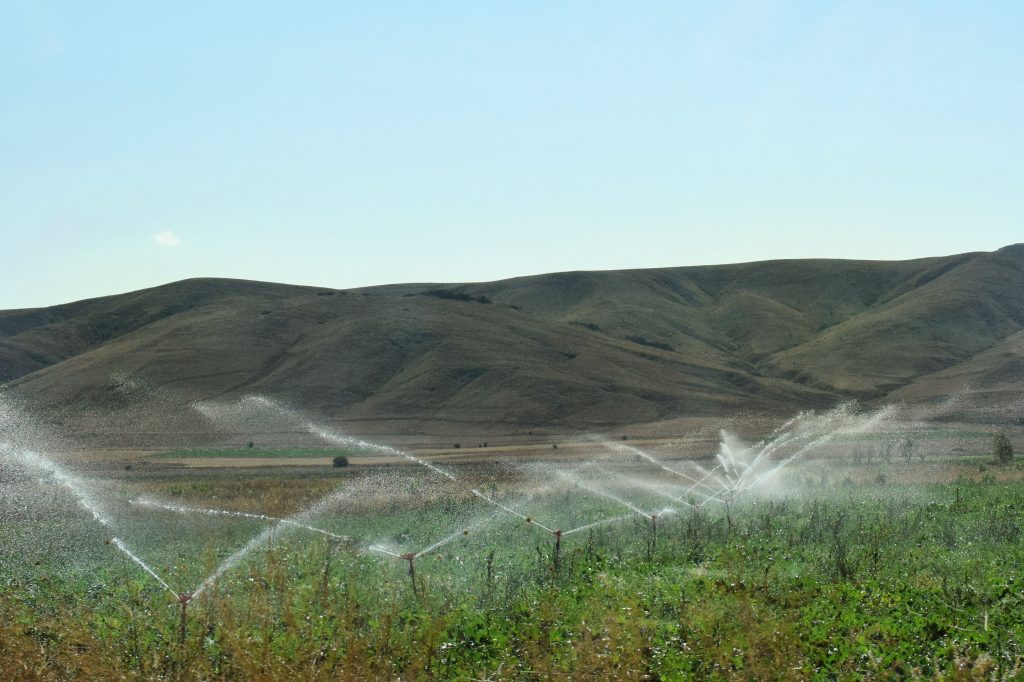
Irrigation water can keep a crop alive while gradually making the root zone harder to manage. Every irrigation carries dissolved minerals. The water is used by plants or evaporates from the soil surface, but most of those minerals remain behind. After repeated summer applications, salts can become concentrated enough to restrict water uptake, burn foliage, […]
An empty field in August is not inactive. Crop residue is decomposing. Soil organisms are mineralizing nutrients. Rain is moving nitrate through the profile. Bare soil is exposed to erosion, crusting, weed establishment, and temperature swings. After wheat, oats, peas, sweet corn, green beans, early potatoes, cucumbers, or another early-harvested crop, there may be enough […]
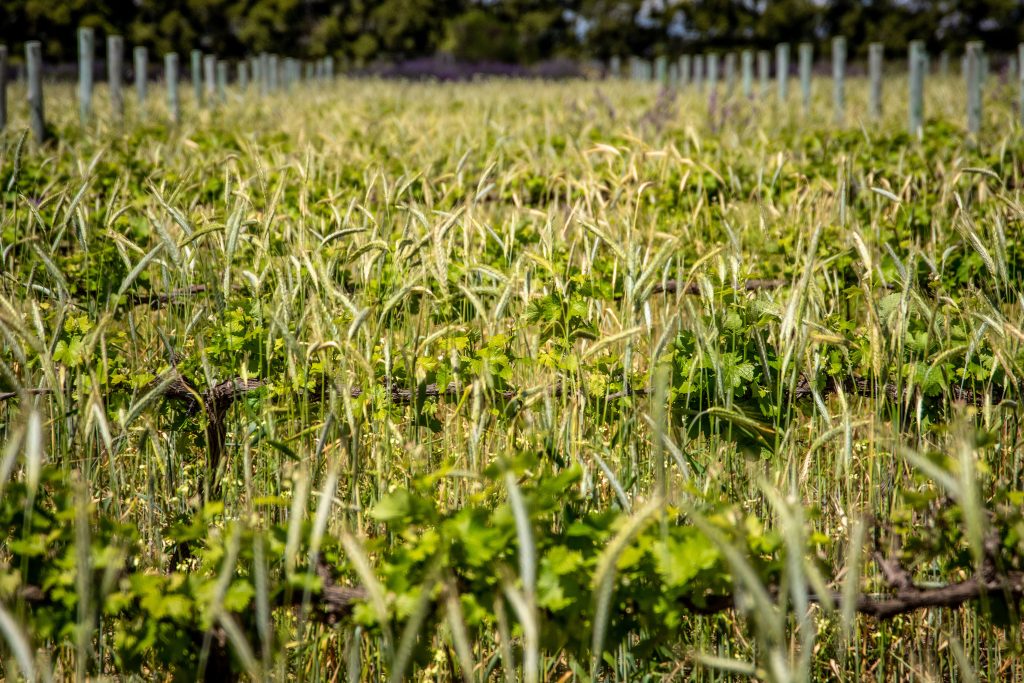
An empty field in August is not inactive. Crop residue is decomposing. Soil organisms are mineralizing nutrients. Rain is moving nitrate through the profile. Bare soil is exposed to erosion, crusting, weed establishment, and temperature swings. After wheat, oats, peas, sweet corn, green beans, early potatoes, cucumbers, or another early-harvested crop, there may be enough […]

A soil test begins before the soil probe enters the ground. By the time a field is harvested, many of the best clues about its condition have disappeared. Crop rows are gone. Canopy color is no longer visible. Weak areas may be hidden beneath residue, and the relationship between plant symptoms and landscape position becomes […]
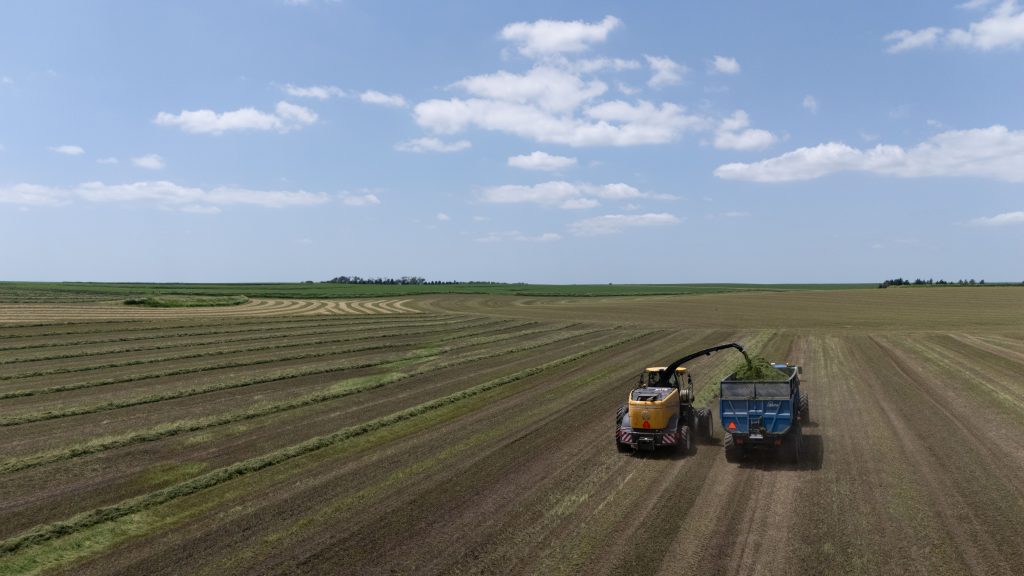
A corn silage field can look ready several days before it is actually ready to chop. Leaves may be firing along the bottom of the plant. Husks may have lost their bright green color. Kernels may be denting, and the milk line may be moving. After a dry stretch, the entire field can take on […]
