
Late-summer forage establishment can produce an excellent stand. The soil is warm, spring weed pressure has passed, and seedlings may establish before cool fall weather. It can also fail quickly when planting is delayed, seed is placed too deep, rain does not arrive, or soil pH and fertility are corrected after the crop is already […]
Winter feed cost is often determined months before winter begins. A producer who waits until hay feeding starts has fewer options than a producer who begins building standing forage in August. Tall fescue is particularly well suited to stockpiling because it produces strong fall growth and holds quality better into winter than many other cool-season […]
A pasture can disappear faster in August than many livestock producers expect. Cool-season grasses may still be green, but growth slows sharply during hot or dry weather. Livestock continue consuming forage every day while the plants replace leaf area more slowly. When stocking pressure remains unchanged, animals revisit plants before they have recovered. The pasture […]
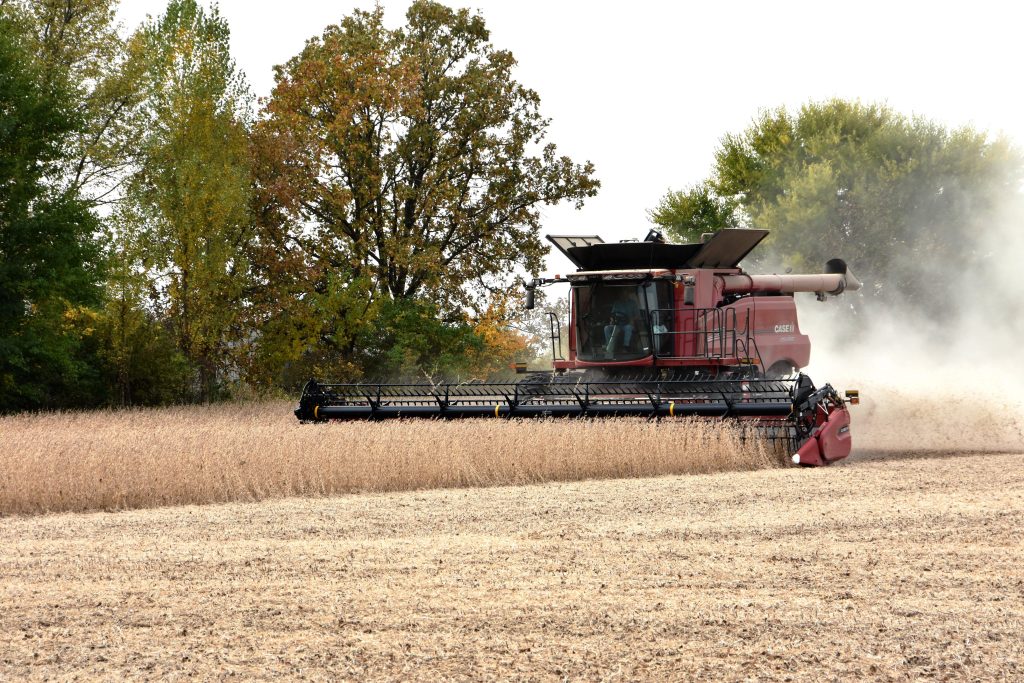
A soybean field can turn yellow for several completely different reasons. One cause may justify a future potassium application. Another may require variety resistance and seed treatment next season. A third may point toward drainage, compaction, nematodes, or herbicide injury. Treating all yellow soybeans as a fertilizer shortage is one of the easiest ways to […]
An ear rot problem usually begins before the combine reaches the field. Weather around silking, insect injury, hail, hybrid susceptibility, crop residue, and plant stress all influence which fungi infect the ear. By August, the grower’s job is less about preventing the original infection and more about identifying affected fields, understanding the likely toxin risk, […]
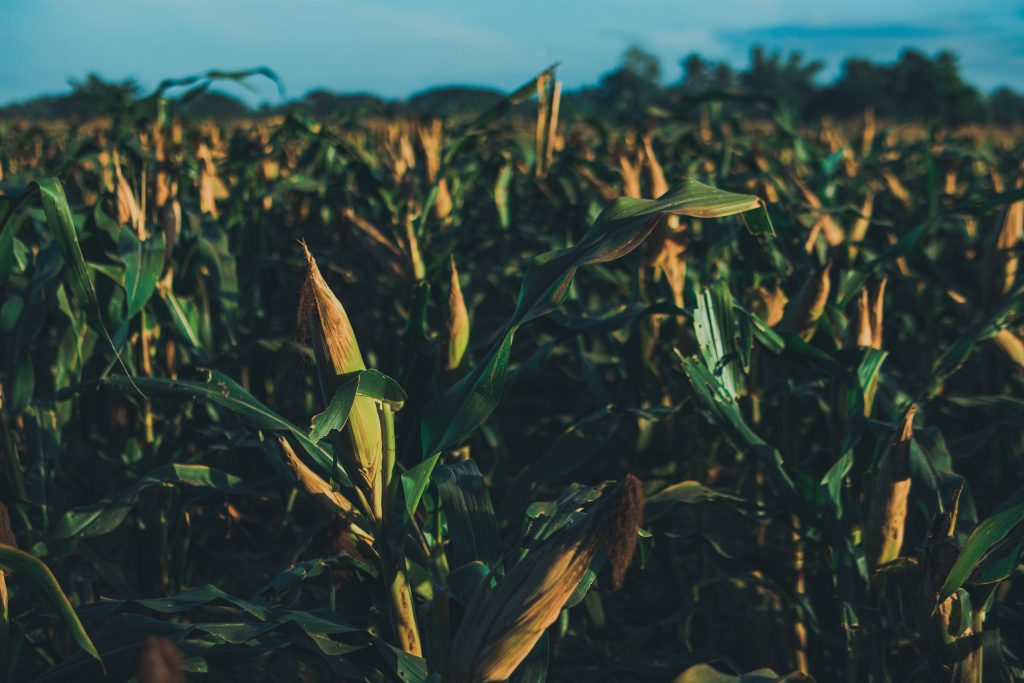
Corn naturally changes color as it matures. Lower leaves lose green color, nutrients move toward the ear, and the canopy gradually ages. That normal process can look similar to nitrogen deficiency, especially from the road. The difference matters because late nitrogen can be useful in a narrow set of circumstances, but it can also become […]
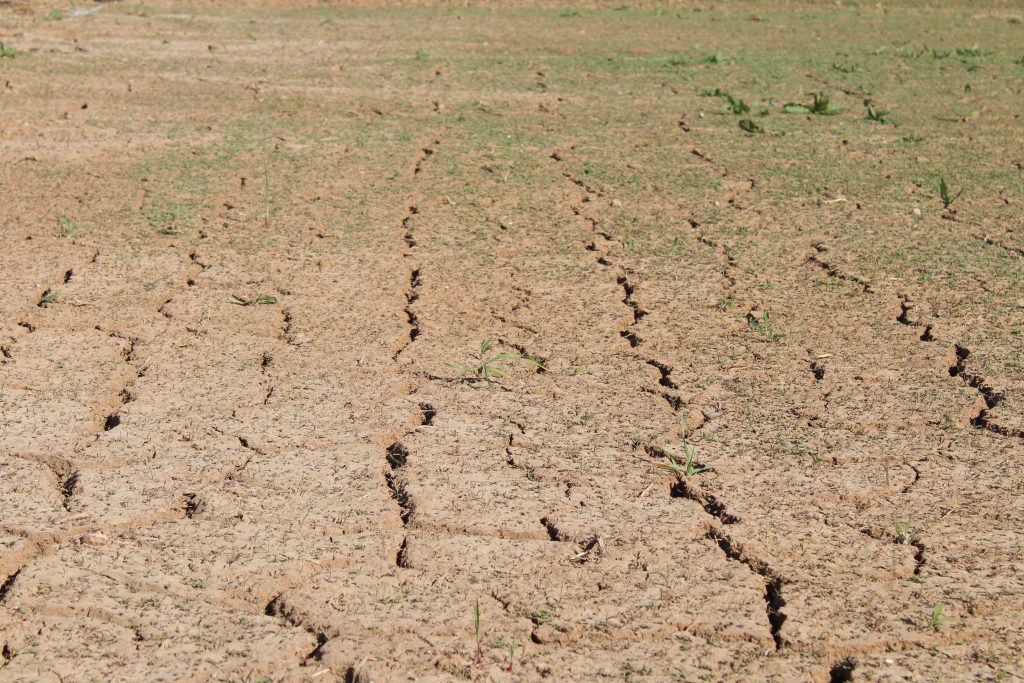
Yellow leaves in August can create an expensive sense of urgency. A grower sees firing along corn leaf edges or yellowing around soybean leaflets and recognizes a familiar pattern: potassium deficiency. The natural response is to consider applying potassium quickly. Sometimes the field is truly deficient. In other cases, the soil contains adequate potassium but […]
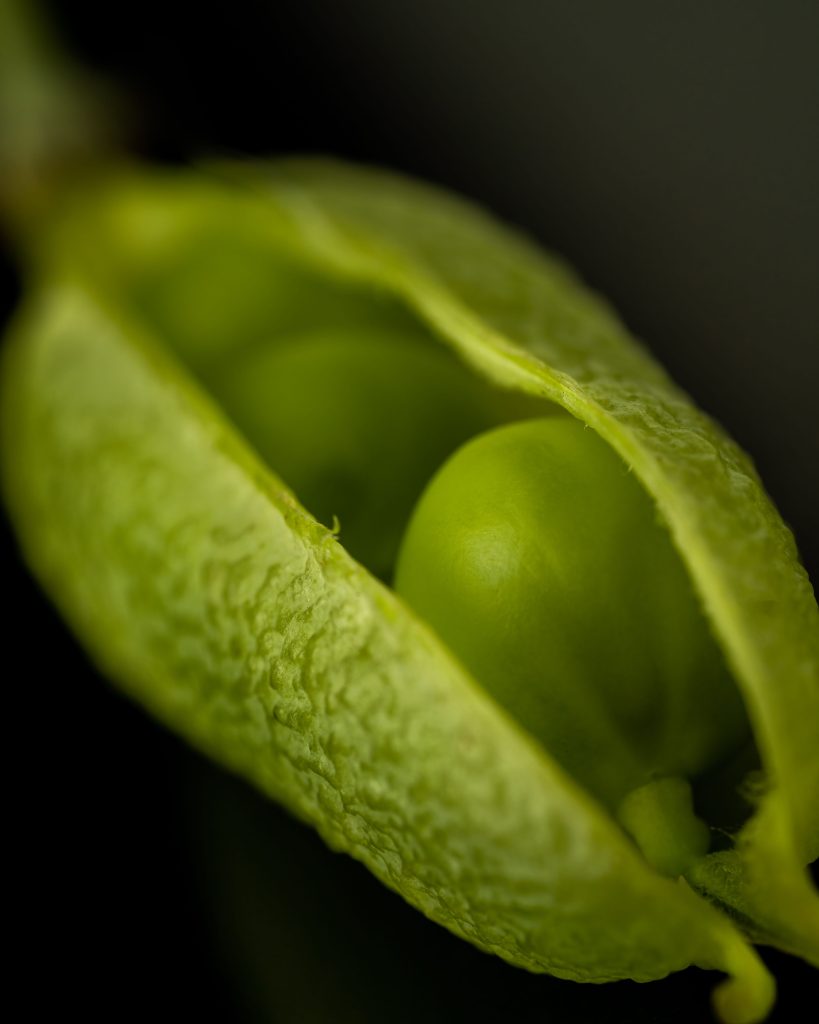
Soybeans often look more forgiving than they are. A cornfield under stress makes its condition obvious. Leaves roll, tassels bleach, and lower leaves fire. Soybeans may continue to hold a green canopy while flowers are aborting, pods are being shed, or seeds are filling more slowly than expected. That is why August soybean scouting should […]
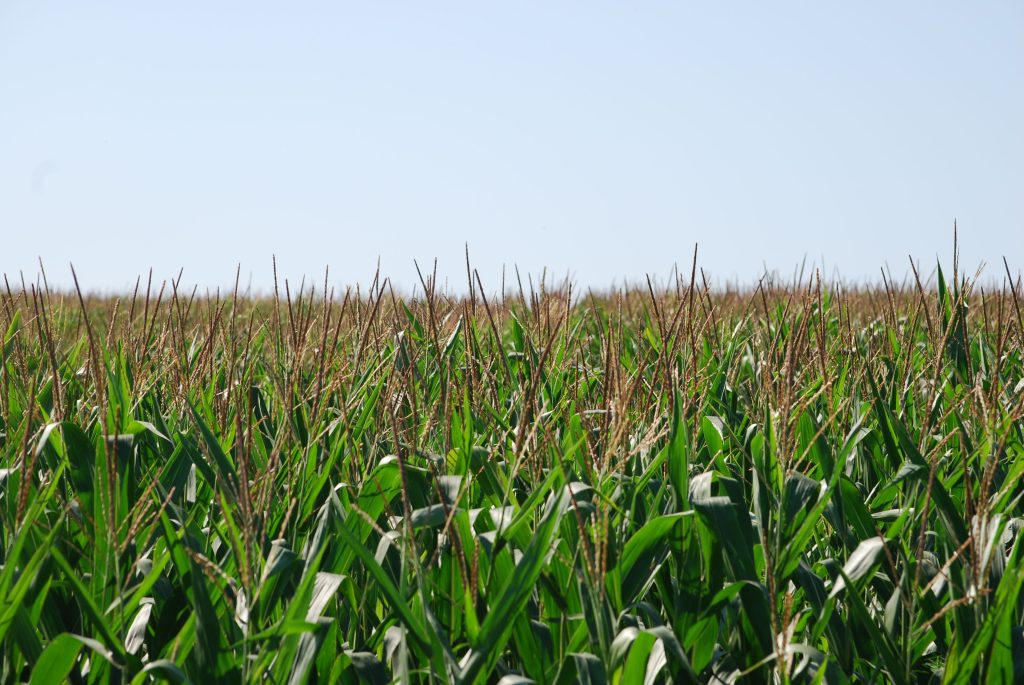
A cornfield can look nearly finished long before the crop is finished using water. Once pollination is complete and ears are filling, attention often shifts toward harvest preparation. Irrigation equipment may be needed elsewhere. Water costs continue to accumulate. Growers begin watching milk lines and grain moisture. In a dryland field, there may be little […]
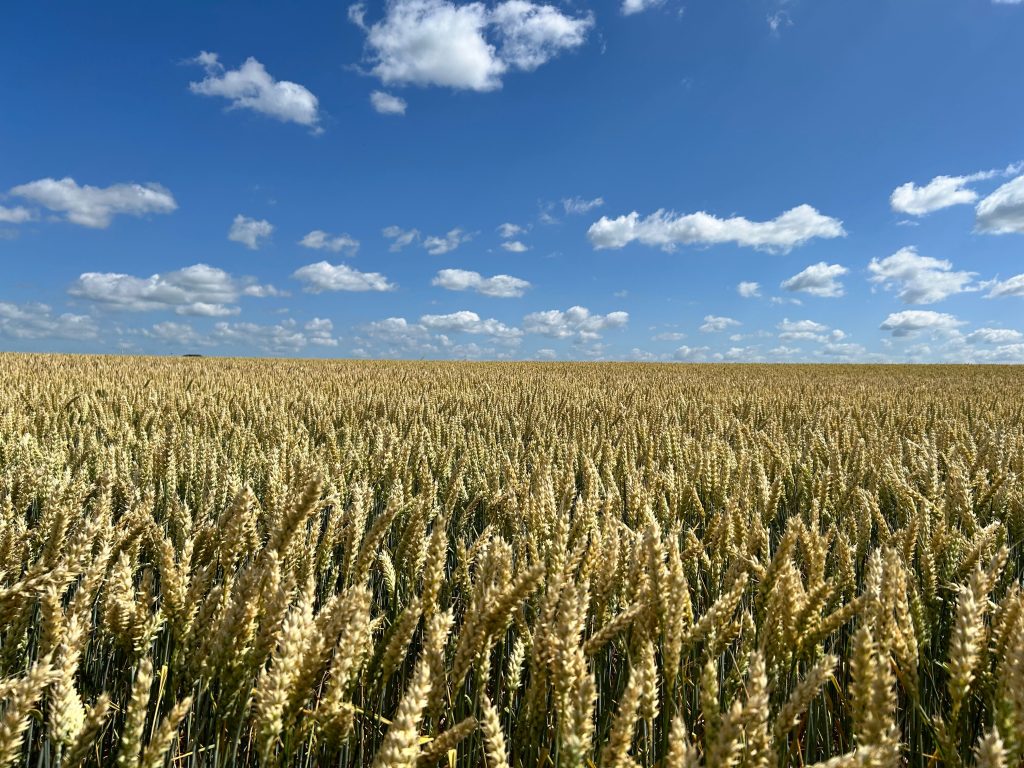
August changes the way a farmer should look at a field. Earlier in the growing season, most decisions center on establishment. We watch emergence, plant population, weed competition, early nutrient availability, and root development. By August, much of the crop has moved into reproductive growth. The questions become more specific: Is the plant holding the […]
