Why End-of-Summer Lawn Care Is Essential

Share This Post

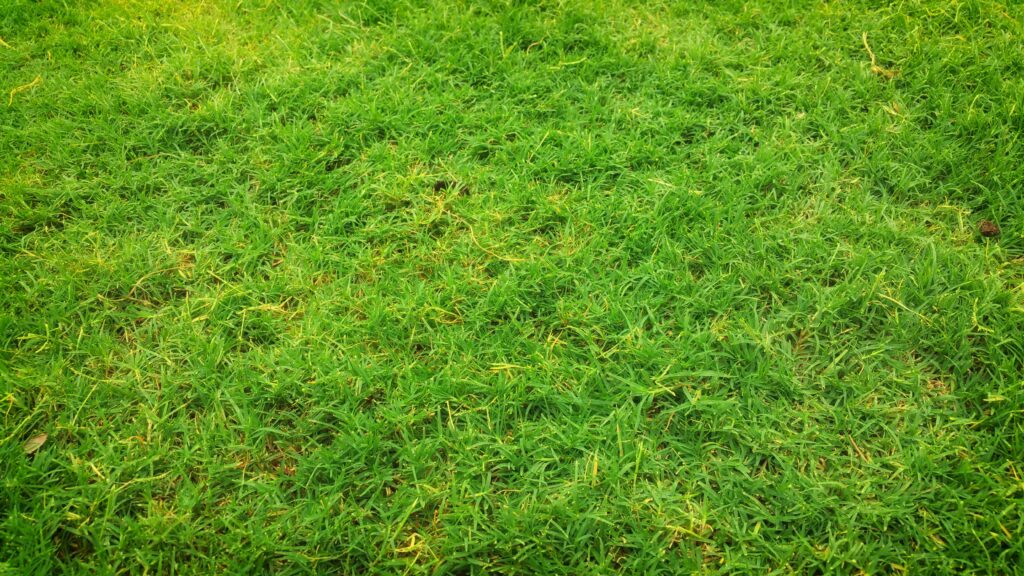
Late summer lawn care in August is crucial for preparing your lawn to transition out of Georgia’s intense summer heat. By the end of peak summer, your lawn has likely faced prolonged exposure to high temperatures, humidity, and potential drought conditions. This can weaken the grass, making it more vulnerable to stress, pests, and disease. By adopting proper care techniques—such as adjusting your mowing practices, watering wisely, and addressing pest or weed issues—you strengthen your lawn’s health, helping it recover and prepare for fall. This groundwork is key to ensuring your grass remains resilient and vibrant as temperatures cool.

Best Practices for Late Summer Lawn Care

Adjust Your Mowing Routine

Mowing is a critical aspect of lawn care, especially during the hot summer months. While mowing can encourage growth, it’s essential to do it right. As summer winds down in Georgia, adjusting your mowing practices is necessary to help your lawn withstand the heat.

  • Raise Your Mower Blades: In late summer, raise the blades of your mower to keep the grass slightly taller, allowing it to absorb more sunlight. Taller grass also provides shade for the soil, helping to retain moisture and prevent the roots from drying out. In Georgia, a grass height of about 3 to 4 inches is ideal for most lawns.
  • Mow Less Frequently: As temperatures cool and grass growth slows, you may not need to mow as often. Mowing too frequently or cutting the grass too short can stress the lawn, making it more susceptible to heat damage, pests, and weeds.

Establish a Watering Schedule

Watering your lawn during Georgia’s summer heat requires a delicate balance. Overwatering can lead to shallow roots and disease, while underwatering can cause the grass to wither and die. Here’s a simple schedule to keep your lawn hydrated:

  • Water Early in the Morning: The best time to water your lawn is early in the morning, ideally between 6 a.m. and 10 a.m. This timing allows the grass to absorb water before the sun becomes too intense, reducing evaporation and ensuring moisture reaches the roots.
  • Deep and Infrequent Watering: Instead of watering lightly every day, opt for deep watering sessions once a week. This encourages the grass to develop deep roots, which are more resilient to drought and heat stress. Aim to provide your lawn with about 1 to 1.5 inches of water per week, either from rainfall or irrigation.
  • Check for Dry Spots: As summer winds down, be on the lookout for dry or brown spots in your grass. These areas may need extra attention, such as spot watering or reseeding.

Fertilize with Care

Fertilizing your lawn at the end of summer helps it recover from the season’s stresses and prepares it for the cooler months ahead.

  • Choose a Slow-Release Fertilizer: Use a slow-release fertilizer that provides a steady supply of nutrients over time, helping your grass grow strong roots without causing a sudden burst of growth, which can be harmful in the heat.
  • Avoid Over-Fertilizing: While it may be tempting to apply extra fertilizer, over-fertilizing can do more harm than good. Excess fertilizer can burn your grass and lead to nutrient imbalances. Stick to the recommended application rates for your grass type and region.
  • Consider a Soil Test: If you’re unsure about your lawn’s nutrient needs, consider getting a soil test. This will give you insights into what your lawn requires and help you choose the right fertilizer.

Combat Weeds and Pests

Weeds and pests can be particularly troublesome during late summer in Georgia. Taking steps to manage them now will help keep your lawn healthy and weed-free.

  • Spot Treat Weeds: Late summer is an excellent time to target stubborn weeds like crabgrass and dandelions. Use a selective herbicide to spot-treat problem areas without damaging the surrounding grass.
  • Watch for Pests: Common lawn pests in Georgia, such as chinch bugs, grubs, and armyworms, can cause significant damage if left unchecked. Look for signs of pest activity, like brown patches or chewed grass blades, and treat infestations promptly with appropriate insecticides.
  • Aerate the Soil: Aerating your lawn can help alleviate soil compaction and improve air circulation, water absorption, and nutrient uptake. Late summer is an ideal time to aerate, especially if your lawn has seen heavy foot traffic or shows signs of stress.

Prepare for Fall

As summer ends, it’s essential to start preparing your lawn for fall. Taking steps now will set the stage for a healthy, vibrant landscape as the weather cools.

  • Overseed Thin Areas: If you notice thin or bare spots in your lawn, consider overseeding to thicken the grass and crowd out weeds. Choose a grass seed suited to Georgia’s climate, such as Bermuda, Zoysia, or Tall Fescue, and apply it according to the manufacturer’s instructions.
  • Apply a Pre-Emergent Herbicide: To prevent winter weeds from taking hold, apply a pre-emergent herbicide in late summer or early fall. This will help keep your lawn free of pesky weeds like annual bluegrass and chickweed.
  • Mulch Your Lawn: Mulching with grass clippings or compost can help retain moisture, reduce soil erosion, and add nutrients back into the soil. It’s an easy way to give your lawn a little extra care before fall arrives.

Keep Up with Regular Maintenance

Even as summer ends, regular lawn maintenance is crucial for keeping your Georgia lawn in top shape. Continue to monitor your lawn for signs of stress, disease, or pest activity, and address issues promptly. By staying on top of your lawn care routine, you’ll ensure that your yard remains healthy and attractive year-round!

More To Explore