

Uncategorized
What To Review Before Moving Into July Fertility Management
Late June is a useful moment to slow down and look at the whole growing system. By now, the season has enough history to teach

Choosing the right lawn fertilizer for the summer months involves understanding your lawn’s unique needs, selecting the appropriate fertilizer type, finding the correct nutrient ratio, considering slow-release options, avoiding high-phosphorus fertilizers, and more.
A vibrant, green lawn is not just a visual delight but also a source of pride for homeowners. However, maintaining a healthy lawn requires more than just regular mowing and watering. Fertilization plays a vital role, especially during the summer when heat can stress your grass and deplete essential soil nutrients.
With so many fertilizer options available, picking the right one can be overwhelming. This guide will walk you through the essential steps to select the perfect summer lawn fertilizer.
Every lawn is different, with varying needs depending on factors like soil type, grass species, climate, and foot traffic. Before selecting a fertilizer, it’s crucial to assess your lawn’s specific requirements. Conducting a soil test provides valuable insights into the existing nutrient levels and pH balance. Based on the results, you can determine the precise nutrients your lawn needs and in what quantities.
Fertilizers come in various forms—granular, liquid, organic, and synthetic—each with its own pros and cons. Granular fertilizers are easy to apply and offer long-lasting effects, making them suitable for larger lawns, though even distribution may require extra effort. Liquid fertilizers act quickly and are easy to apply but may need more frequent applications. Organic fertilizers, derived from natural sources, are excellent for enhancing soil health but can be more costly than synthetic alternatives.
Fertilizers are formulated with different nutrient ratios to address specific lawn needs. The three primary macronutrients are nitrogen (N), phosphorus (P), and potassium (K). Nitrogen supports lush leaf growth, phosphorus strengthens root development, and potassium enhances the plant’s resistance to stress. For summer, a fertilizer with a higher nitrogen content is ideal for promoting healthy, green growth.
Slow-release fertilizers gradually release nutrients over time, providing consistent nourishment and reducing the need for frequent applications. These fertilizers are perfect for busy homeowners and also minimize the risk of fertilizer burn—a common issue with fast-acting products that can harm grass when over-applied.
While phosphorus is vital for root development, excess amounts can harm the environment. Many states in the U.S. have banned or restricted high-phosphorus fertilizers to protect water quality. Before purchasing, check your local regulations to ensure compliance and opt for low-phosphorus options if necessary.
Environmental impact should be a key consideration when choosing a lawn fertilizer. Runoff from fertilizers can pollute waterways and damage aquatic ecosystems. To reduce this risk, choose fertilizers with slow-release formulas and low nitrogen levels. Avoid applying fertilizer before heavy rain, as this can cause runoff. Organic fertilizers are also a more eco-friendly option, derived from natural sources that are less likely to harm the environment.
Proper application is essential to achieve the best results and prevent lawn damage. Always read the label and follow the recommended amounts and application frequency. Use a spreader to ensure even distribution, avoiding overlapping or missed spots. Water your lawn after fertilizing to help nutrients reach the roots.
Maintaining a lush and healthy lawn during summer requires thoughtful care, particularly when it comes to fertilization. By understanding your lawn’s needs, selecting the right type of fertilizer, and considering environmental factors, you can keep your yard in top shape all season long.
For optimal results, choose fertilizers with the ideal nutrient ratio and consider slow-release options to sustain your lawn through the heat. Be mindful of high-phosphorus fertilizers, especially if they are restricted in your area. Following application instructions closely will help you achieve a beautiful, thriving lawn without causing harm.
Late June is a useful moment to slow down and look at the whole growing system. By now, the season has enough history to teach
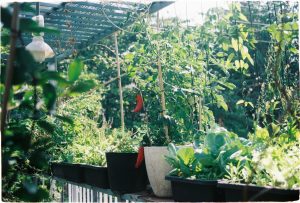
Late June is when lawns start showing the truth about summer management. A lawn may have looked strong in May. It may have greened up
Give us a call or visit our store, and we’ll help you find the right solution for your business.
© Supply Solutions LLC 2026