

Uncategorized
Lawn Fertilizer Timing in May: Green Growth Without Soft Growth
May is when lawns start getting judged again. The grass is growing. Mowers are running. Homeowners are looking across the yard and noticing pale patches,

Potassium is an essential macronutrient that plays a key role in plant growth and development. It contributes to vital processes like photosynthesis, protein synthesis, and water regulation, making it a crucial element for achieving healthy, robust plants. High-potassium fertilizers are specially formulated to supply the right amount of this nutrient, promoting vigorous plant growth and maximizing crop yields. This article explores the importance of high-potassium fertilizers and how they influence plant health, disease resistance, and overall productivity. By understanding how potassium affects plant growth, farmers and gardeners can significantly improve both the quality and quantity of their harvests through targeted fertilization practices.
High-potassium fertilizer is crucial for maintaining a resilient lawn, as it helps grass withstand drought, disease, and temperature fluctuations. Potassium strengthens the overall structure of grass by boosting its resilience and vitality. It also enhances water-use efficiency and strengthens the immune system of grass, making it greener and more robust. Ensuring an adequate potassium supply can improve lawn longevity and foster stronger growth.
Potassium is vital for several essential plant functions, including regulating water content in cells and maintaining turgor pressure during periods of limited water availability. It also aids in ATP (adenosine triphosphate) formation, which supports photosynthesis. Additionally, potassium activates more than 60 enzymatic processes related to plant metabolism and is crucial for protein and starch synthesis.
Increased stomatal conductance and lower transpiration rates are linked to optimal potassium uptake, which boosts gas exchange efficiency. Symptoms of potassium deficiency, such as yellowing (chlorosis) and necrosis, often progress from the edges of leaves inward. To maintain healthy plants and optimize productivity, targeted potassium fertilization is essential.
Using high-potassium fertilizers on your lawn enhances its resilience and overall health. Potassium helps turfgrass withstand environmental stresses like drought, heat, and cold by reinforcing cell walls and maintaining turgor during water shortages. It also promotes root growth, resulting in a denser root system capable of accessing deeper nutrients and moisture. Lawns with optimal potassium levels (2.5% – 4.5% dry weight) appear healthier and are less susceptible to disease and pests.
High-potassium fertilizers effectively address potassium deficiency in lawns. When turfgrass is deficient in potassium, it becomes weak, grows slower, and is more susceptible to environmental stresses like disease. Applying high-potassium fertilizer restores nutrient levels, improving water regulation, root development, and disease resistance. Regular soil testing helps identify when high-potassium fertilizers are needed to keep lawns healthy and thriving.
When selecting a high-potassium fertilizer, consider several factors. First, evaluate the potassium content, which is typically represented as the third number in the N-P-K (nitrogen-phosphorus-potassium) ratio. Look for a product with a higher third number for sufficient potassium levels. Additionally, choose the appropriate potassium form—potassium sulfate is preferred over potassium chloride due to its lower salt content. Finally, decide between slow-release and quick-release fertilizers, depending on whether you need long-term or immediate results.
For high-potassium fertilizers, look for products where the third number in the N-P-K ratio is significantly higher than the first two. This indicates a higher potash content, which improves lawn health and resilience. For example, an N-P-K ratio of 5-5-20 offers a substantial boost in potassium while maintaining necessary nitrogen and phosphorus levels.
Liquid and granular fertilizers have different application methods and release rates. Liquid fertilizers, mixed with water and applied via sprayer, provide an immediate nutrient boost and are ideal for quickly correcting imbalances. Granular fertilizers, applied using a spreader, release nutrients slowly over time, offering long-term benefits. Both types are useful depending on the immediate and ongoing needs of your lawn.
Conducting a soil test before applying high-potassium fertilizer is crucial. Soil tests provide an accurate picture of nutrient levels and pH, enabling you to tailor fertilization plans to meet your lawn’s specific needs. This minimizes nutrient imbalances and helps avoid under- or over-application, which could damage your lawn or the environment.
How often you apply high-potassium fertilizer depends on several factors, including soil test results, plant type, and growth stage. Generally, potassium should be applied at planting and key growth stages, such as flowering and fruiting. Crops that demand high potassium levels, like tomatoes and potatoes, may require additional applications throughout the growing season.
While high-potassium fertilizer offers numerous benefits, over-application can lead to imbalanced nutrient levels, particularly with calcium and magnesium. Excess potassium can also increase soil salinity, which negatively impacts water uptake. To avoid these issues, regularly test your soil and follow the recommended guidelines for potassium application.
High-potassium fertilizers play a crucial role in improving plant health, resilience, and productivity. From enhancing lawn vitality to boosting crop yields, potassium is an essential nutrient for achieving optimal plant growth. Regular soil testing, targeted application, and choosing the right fertilizer type will help you maximize the benefits of high-potassium fertilizers and keep your plants thriving.
For lush crops and healthy lawns, consider Supply Solutions Muriate of Potash 0-0-60 Fertilizer, a high-potassium option that promotes strong foliage and optimal nutrient uptake.
May is when lawns start getting judged again. The grass is growing. Mowers are running. Homeowners are looking across the yard and noticing pale patches,
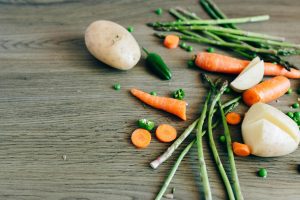
Side-dressing is one of the most practical ways to feed vegetables once the season is moving. It lets you adjust fertility after plants are up,
Give us a call or visit our store, and we’ll help you find the right solution for your business.
© Supply Solutions LLC 2025