

Uncategorized
What To Review Before Moving Into July Fertility Management
Late June is a useful moment to slow down and look at the whole growing system. By now, the season has enough history to teach
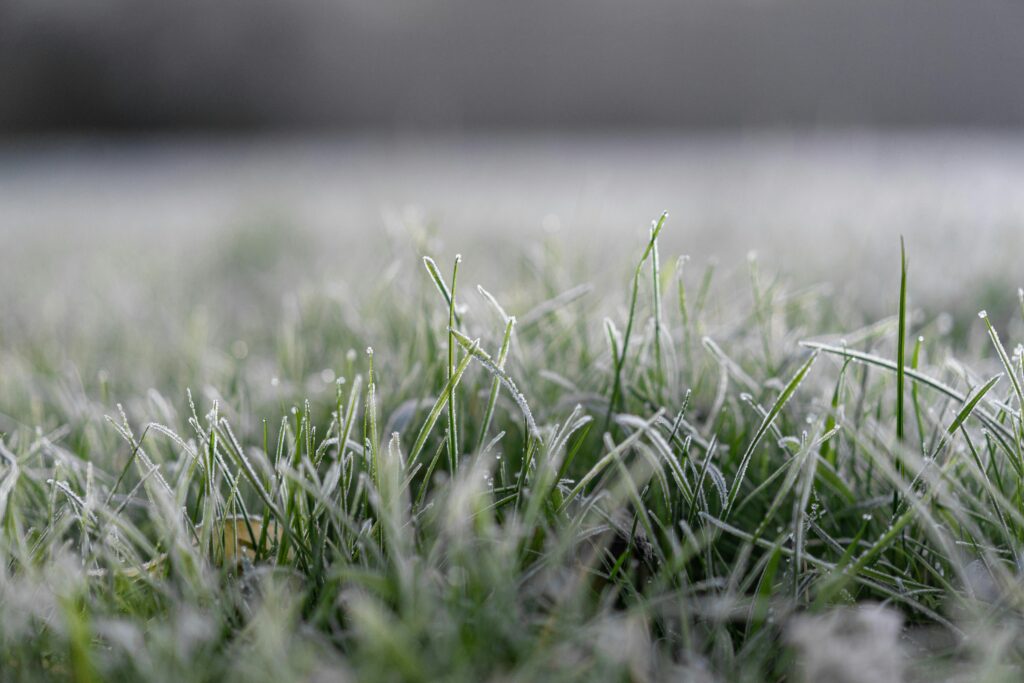
As the last leaves fall and the air turns crisp, lawn care season seems to come to an end. After months of watering, mowing, weeding, and fertilizing, you might think your lawn no longer needs attention. However, just because winter is approaching doesn’t mean it’s time to forget about your grass. In fact, maintaining your lawn during the winter months can set the stage for a vibrant, healthy yard in the spring.
Many people have questions when it comes to winter lawn care. From “Does grass grow in the winter?” to “Why is my grass turning yellow?”, understanding what happens to your lawn during the cold season can help you protect its health and appearance.
Yes, but very slowly. In areas where winter temperatures drop below freezing, such as Minnesota, grass typically goes dormant. While it may not show signs of active growth, the roots are still alive and preparing for spring. Proper winter preparation is key to ensuring your lawn survives the colder months.
Like the changing color of leaves on trees, some types of grass turn yellow or brown in winter when they go dormant. Yellow grass can also indicate problems, such as damage from de-icing chemicals or salt. Years of exposure to these elements can harm your lawn, leading to yellow patches that require extra care to recover.
A professional winter lawn care service can help you prevent and treat yellowing grass, ensuring it remains healthy throughout the season.
It’s a common misconception that if grass isn’t growing, no care is needed. However, neglecting your lawn in winter can lead to problems when spring arrives. Here are some simple ways to protect your grass during the colder months:
In colder regions, winter lawn care doesn’t usually require additional watering. Snow, frost, and dew provide enough moisture to sustain your grass throughout the winter months. However, you can help prepare your lawn by ensuring the grass is at the appropriate length and mulching fallen leaves to return nutrients to the soil. Just be careful not to let leaf coverage get too thick, as it can smother the grass underneath.
Proper preparation before the first snowfall is crucial for keeping your lawn healthy during winter. Here are a few steps you can take:
Aerating your lawn before the first frost or heavy snowfall helps the soil absorb nutrients and oxygen. This step promotes strong, healthy roots, even when the grass goes dormant.
Using a winter fertilizer is essential for providing your lawn with the nutrients it needs to survive the colder months. It’s best to fertilize your lawn in late fall when the temperatures are dropping but the grass is still growing. Applying fertilizer after the ground has frozen can cause it to wash away rather than be absorbed by the roots.
After fertilizing, give your lawn a light watering to help the nutrients reach the soil. This can also help your lawn retain its green color during winter.
Winter may be a time of dormancy for your grass, but with the right care, it doesn’t have to be a time of neglect. Follow these winter lawn care tips and consider bringing in a professional to ensure your lawn stays healthy and strong, ready to flourish when the warm weather returns.
Late June is a useful moment to slow down and look at the whole growing system. By now, the season has enough history to teach

Late June is when lawns start showing the truth about summer management. A lawn may have looked strong in May. It may have greened up
Give us a call or visit our store, and we’ll help you find the right solution for your business.
© Supply Solutions LLC 2026