
Uncategorized
How Much Fertilizer Does Your Crop Really Need in Week One?
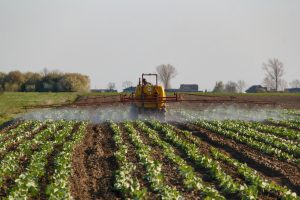
The first week after planting rarely looks like much. From the surface, there’s very little to evaluate. Emergence may just be starting, or not yet


Fish fertilizers are a fantastic option for gardeners and farmers aiming to enrich their plants and soil naturally. Derived from fish byproducts, fish fertilizers are packed with essential nutrients like nitrogen, phosphorus, and potassium, along with amino acids and beneficial microorganisms that promote strong plant growth and enhance soil health. Learning how to apply fish fertilizer correctly can maximize these benefits for various plant types, from vegetables and fruits to flowers and ornamental plants. This guide will provide insights on the proper application methods and tips for using fish fertilizer effectively in your garden.
Fish fertilizers, such as Pacific Bounty, offer several key benefits:
Fish fertilizers are versatile and can be applied in several ways depending on your gardening needs. Each method provides unique benefits and is suitable for different plant types and stages of growth.
Foliar application involves spraying the diluted fish fertilizer solution directly onto plant leaves. This allows the nutrients to be quickly absorbed through the leaves, providing an immediate boost, which is especially beneficial for plants showing signs of nutrient deficiency.
Benefits of Foliar Spray:
A soil drench involves applying diluted fish fertilizer to the base of plants, where it can seep into the soil and be absorbed by the roots. This method supports root development, helping plants grow stronger and more resilient.
Benefits of Soil Drench:
Using fish fertilizer as a seed soak is a lesser-known but highly effective way to jumpstart seed germination and improve seedling health. Soaking seeds in a diluted fish fertilizer solution provides them with nutrients to enhance growth from the very start.
Benefits of Seed Soak:
Adding fish fertilizer to compost accelerates the decomposition process, enriching the final product with additional nutrients. Fish fertilizer supplies nitrogen and other compounds that feed composting microbes, resulting in nutrient-rich compost for garden use.
Benefits of Compost Accelerator:
Fish fertilizers can also be used in hydroponic systems to provide plants with essential nutrients in a soilless environment. This requires monitoring nutrient levels closely, as fish fertilizers are more complex than conventional hydroponic solutions.
Benefits for Hydroponics:
Each type of plant and growth phase may require different application frequencies. Here are some general guidelines to follow:
Additional Tips:

Yes! Fish fertilizer is safe and effective for indoor plants when diluted properly. Pacific Bounty Fish Fertilizer, for example, has a reduced odor formula, making it ideal for indoor use. Apply every 3-4 weeks, and water plants afterward to distribute nutrients evenly.
Fish fertilizer is generally safe for most plants, including vegetables, fruits, flowers, and houseplants. However, certain delicate plants may prefer a weaker dilution, so it’s always wise to test on a small area before full application.
Fish fertilizer can often be combined with other organic fertilizers to provide a balanced nutrient profile. For example, adding bone meal can increase phosphorus levels, while kelp extracts can provide additional micronutrients.
While there are numerous fish fertilizers on the market, Pacific Bounty Fish Fertilizer has become a favorite among gardeners for its high-quality formula, sustainable production, and user-friendly features. Here’s why Pacific Bounty stands out:
Pacific Bounty Fish Fertilizer supports plant health and soil vitality while minimizing environmental impact—a perfect choice for gardeners who want the best for their plants and the planet.
Fish fertilizer is an outstanding option for anyone looking to grow healthy, productive plants using an organic, sustainable approach. By following proper application methods and adjusting based on plant needs, gardeners can enjoy the multiple benefits fish fertilizer provides, from robust growth to vibrant blooms and higher yields. For those seeking the best of the best, Pacific Bounty Fish Fertilizer is a top-tier choice that ensures long-term plant health, soil enrichment, and environmentally friendly gardening practices. Make Pacific Bounty part of your routine, and experience the power of fish fertilizer in your garden!
The first week after planting rarely looks like much. From the surface, there’s very little to evaluate. Emergence may just be starting, or not yet
Planting tends to compress a lot of decisions into a short window. Field conditions line up just enough to move forward, equipment is running, and