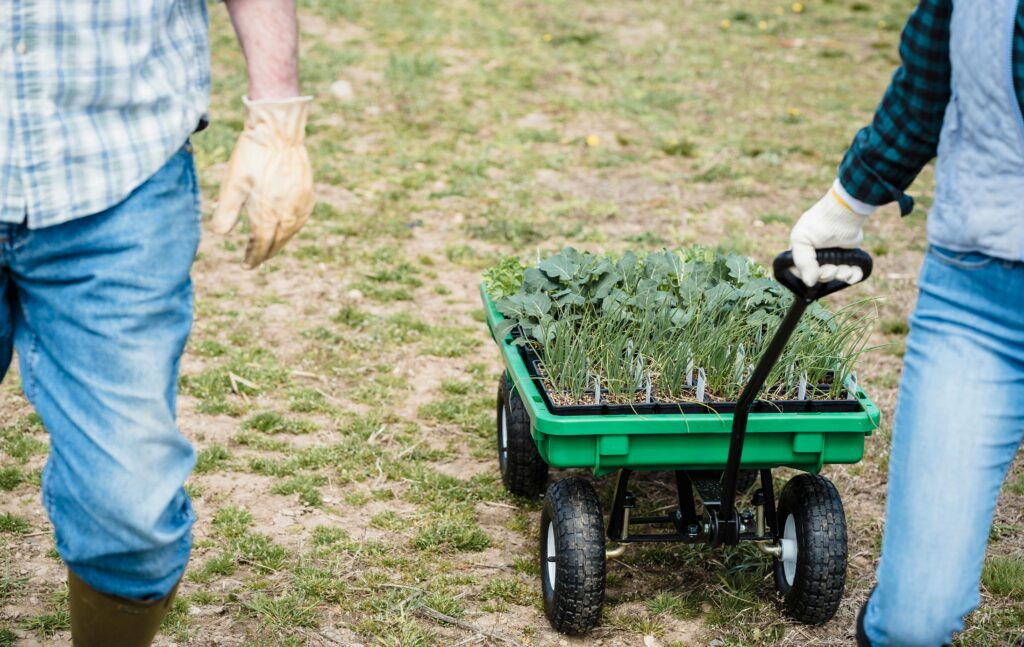
As fertilizer prices rise and environmental concerns grow, farmers and gardeners are turning to sustainable fertilization practices. These methods aim to maximize crop yield while reducing soil degradation, water pollution, and greenhouse gas emissions.
This guide highlights eco-friendly fertilization strategies that support plant health, protect the environment, and improve long-term productivity.
1. Use Organic and Natural Fertilizers
✔ Compost, animal manure, fish emulsion, and bone meal provide essential nutrients naturally.
✔ Enhance soil microbial activity, structure, and long-term fertility.
✔ Release nutrients slowly, minimizing leaching and runoff.
2. Incorporate Cover Crops and Green Manure
✔ Plant legumes, clover, or rye between cropping seasons.
✔ Improve nitrogen fixation, increase organic matter, and suppress weeds.
✔ Tilled into the soil as green manure, boosting natural nutrient cycles.
3. Rotate Crops and Diversify Plantings
✔ Crop rotation improves soil biodiversity and reduces disease cycles.
✔ Different plants use and replenish different nutrients.
✔ Rotating nitrogen-heavy crops (like corn) with legumes reduces fertilizer dependence.
4. Use Precision Fertilizer Application
✔ Apply nutrients only where and when needed.
✔ Tools: Soil testing, GPS-guided spreaders, fertigation systems.
✔ Reduces waste and improves fertilizer use efficiency (FUE).
5. Choose Slow-Release and Stabilized Fertilizers
✔ Products like polymer-coated urea or ammonium sulfate with inhibitors release nutrients gradually.
✔ Decrease nitrogen volatilization and environmental impact.
✔ Reduce application frequency and labor.
6. Practice Integrated Nutrient Management (INM)
✔ Combine organic, chemical, and biological sources of nutrients.
✔ Example: Compost + ammonium sulfate + mycorrhizae inoculants.
✔ Supports a balanced nutrient profile and reduces dependency on synthetic inputs.
7. Protect Water Sources and Buffer Zones
✔ Leave strips of vegetation or grass between fields and water bodies.
✔ Prevents fertilizer runoff from reaching rivers and lakes.
✔ Helps comply with environmental regulations and sustainability certifications.
8. Recycle Farm Waste Into Fertilizer
✔ Convert crop residues, animal waste, or food scraps into compost.
✔ Reduces landfill impact while enriching your soil.
✔ On-farm composting cuts fertilizer costs and improves sustainability.
9. Monitor and Improve Soil Health
✔ Test for organic matter, microbial biomass, pH, and nutrient levels.
✔ Use biochar, gypsum, or mycorrhizal fungi to rebuild poor soils.
✔ Healthy soil retains water and nutrients more effectively.
10. Educate, Record, and Improve Continuously
✔ Track fertilizer use, yields, and environmental impacts.
✔ Use tools like field logs, apps, and satellite imagery.
✔ Stay updated with local extension programs and soil science research.