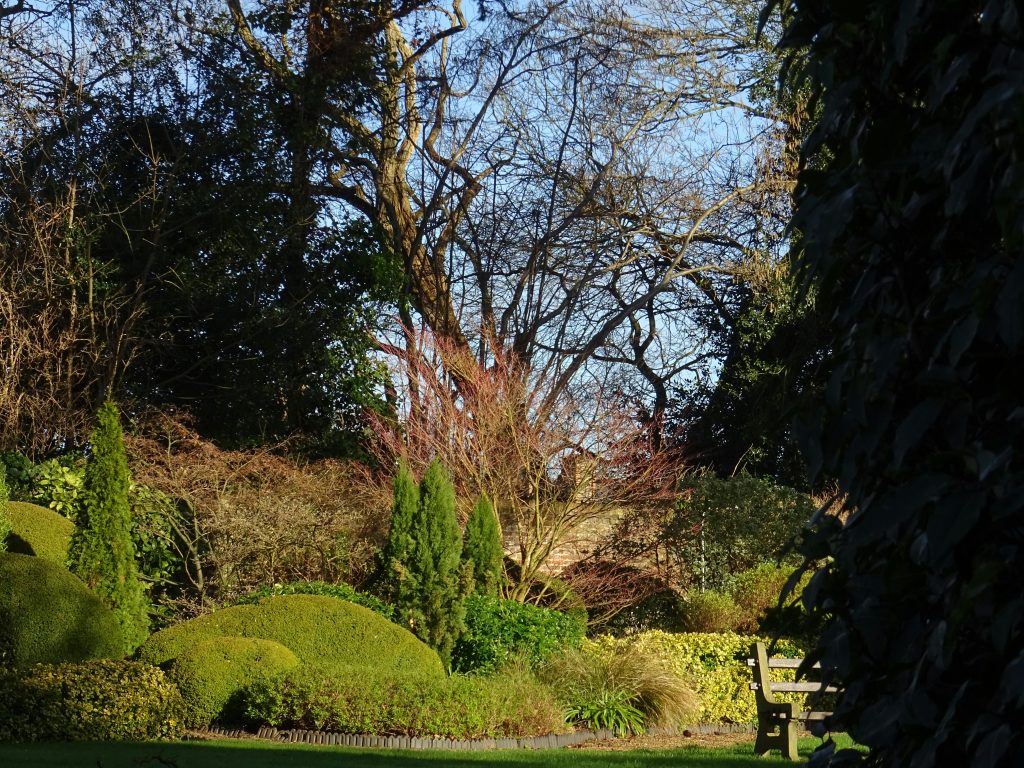
As fall rolls in and the temperature begins to drop, landscapes and gardens start showing signs of wear and fatigue. Whether it’s from a hot, dry summer or nutrient depletion from aggressive growing cycles, stressed plants are everywhere. If you want to see them come back stronger in spring, this is the moment to act. The right fertilizers in the right amounts can mean the difference between survival and revival.
Three specific formulas consistently stand out for restoring plant health at season’s end: Triple 10 with Micronutrients, Muriate of Potash (0-0-60), and 16-16-16 All-Purpose Fertilizer. This guide walks you through exactly how to use each one to recover trees, shrubs, lawns, vegetables, and ornamentals — even when they’re on the brink.
Why Plants Become Stressed Heading into Fall
By the time fall arrives, most plants have endured:
Excessive heat and UV exposure
Water loss through evaporation or under-watering
Soil nutrient depletion
Pest and disease pressure
Overgrowth that drains energy from the roots
Symptoms like yellowing leaves, brittle stems, patchy grass, poor flower set, or fruit drop are common. But the good news is this — it’s not too late. Fall fertilization can reverse visible stress and correct internal imbalances before winter dormancy.
The Revival Power of Triple 10 with Micronutrients
Phosphorus supports renewed root activity and strengthens cell walls
Potassium improves stress resistance to prepare for winter
Micronutrients restore color, chlorophyll function, and hormone balance
This is especially useful for ornamental plants, fruit trees that suffered fruit drop, or lawns that faded unevenly. It’s safe, versatile, and works in most soil types.
How to Apply:
Turf: Broadcast at 5 to 7 pounds per 1,000 square feet, water in thoroughly
Shrubs and trees: Apply around the drip line, gently scratch into the soil
Vegetable beds: Rake in 3 to 5 pounds per 100 square feet, avoid direct contact with stems
Repeat after 3 to 4 weeks if symptoms persist.
The Deep Recovery Power of Muriate of Potash (0-0-60)
Muriate of Potash (0-0-60) is the single most concentrated potassium fertilizer available — and it’s a must-have for reviving weakened or overgrown plants before winter.
What It Does:
Regulates water movement within the plant, reducing leaf curl and dehydration
Strengthens roots and stalks to resist disease and cold
Triggers carbohydrate storage for energy during dormancy
Rebuilds resilience after heavy pruning or harvest
Potassium is often leached from soil during irrigation or rainfall. Plants suffering from chronic drought or wilt almost always benefit from potassium.
Where to Use It:
Trees showing early leaf drop or weak branches
Turf struggling with fungal patches or foot traffic
Shrubs showing leaf burn or wilt
Vegetables with small, misshapen fruit or yellowed margins
Apply 1 to 2 pounds per 1,000 square feet, and water in deeply. Use only once in fall unless soil tests show a deficiency.
The Balanced Muscle of 16-16-16 All-Purpose Fertilizer
The 16-16-16 All-Purpose Granular Fertilizer is a heavier-duty blend for plants that need serious revival. With a stronger nutrient profile than Triple 10, it gives energy-starved plants the push they need to reset.
Best Used For:
Lawns recovering from drought or high traffic
Fruit trees showing yellow leaves and low yield
Annuals with short or delayed blooms
Perennial beds that underperformed all season
Because it’s fast-acting and broad-spectrum, landscapers often use it to blanket treat entire zones where deficiencies are mixed or unclear.
Application:
Lawns: Apply 4 to 6 pounds per 1,000 square feet
Trees and shrubs: ¼ pound per inch of trunk diameter, spread evenly around root zone
Beds: Broadcast 5 to 8 pounds per 100 square feet
This product is not recommended for use in delicate seedling beds or newly transplanted areas unless diluted.
Which One Should You Use?
Here’s a quick way to match each fertilizer to plant symptoms:
Symptom
Best Fertilizer
Pale leaves, weak shoots
Triple 10
Yellowing edges, brittle stems
Muriate of Potash
Thin lawn, poor growth across a bed
16-16-16
Poor flowering, late ripening
Triple 10
Patchy turf with fungal stress
Muriate of Potash
Mixed deficiencies, large areas
16-16-16
Timing Is Crucial
Fall recovery fertilization should begin before the first frost but after peak summer heat. This window gives plants time to absorb nutrients and rebuild internal systems.
September to early November in most zones
Avoid fertilizing when temperatures drop below 40°F consistently
Always water thoroughly after application to prevent burn and encourage uptake
Complement with These Recovery Practices
Mulch roots after fertilizing to hold warmth and moisture
Prune only after fertilization, so plants heal faster
Inspect for pests that may have weakened stressed plants
Aerate compacted soil before applying any granular fertilizer
Research on Fall Recovery Fertilization
According to Purdue University Extension, post-stress fertilization in fall can increase root density by up to 40% within 30 days — a key factor in winter survival. Additionally, studies from the University of Minnesota show that lawns receiving fall potassium recovered two weeks earlier than untreated areas in spring.
Protect Plant Investments with the Right Nutrients
If your landscape clients or home garden is showing signs of decline, don’t wait until spring. Take advantage of the cooling season to repair from the roots up. The right fall fertilization plan protects investments and guarantees a beautiful, healthy rebound in spring.
Choose from the most reliable blends trusted by growers, landscapers, and gardeners across the U.S.:
Late summer can be one of the most confusing times to fertilize warm-season turf. Bermudagrass, zoysiagrass, and St. Augustinegrass may still be green and actively
August is one of the easiest months to make a lawn-fertilizer mistake because different turf species are moving in opposite directions at the same time.