

Uncategorized
How to Read a Fertilizer Grade: What N-P-K Numbers Actually Tell You
Walk into a fertilizer warehouse, farm supply store, greenhouse, or garden center and the first thing most people notice on a fertilizer bag is a

As fields wind down after harvest, most farmers shift their focus to next season’s potential. One of the smartest moves you can make before winter is applying potash, a potassium-rich fertilizer that strengthens plants for the months ahead. Applying potash in late fall helps replenish the potassium removed by this year’s crops, improves soil balance, and ensures your fields are ready for vigorous growth once temperatures rise. At Supply Solutions LLC, growers trust Muriate of Potash (0-0-60) for its consistent performance, high solubility, and effectiveness in maintaining strong root systems through winter dormancy.
Potassium (K) is one of the three primary macronutrients required by plants, alongside nitrogen and phosphorus. While nitrogen drives leaf growth and phosphorus promotes root development, potassium is the nutrient responsible for overall plant resilience. It regulates water movement, strengthens cell walls, and improves resistance to stress factors like drought, disease, and cold temperatures.
When potassium levels drop too low, crops suffer in several ways. You might notice weaker stems, poor grain fill, and reduced tolerance to frost. Potassium deficiency can also make plants more susceptible to fungal infections, especially in wet fall conditions. Applying potash in late fall gives the soil time to stabilize these nutrients so they are readily available when roots become active again in early spring.
Applying potash before winter allows nutrients to move into the soil profile naturally through rainfall and melting snow. The slow release over the dormant months ensures the potassium ions bond with clay and organic particles, making them available for early root uptake once the soil warms.
In areas with heavy rainfall or irrigated fields, fall application reduces the risk of nutrient leaching by allowing potassium to bind before spring moisture increases. Farmers with clay-rich or loam soils particularly benefit from this timing because potassium moves more slowly through these textures, ensuring long-lasting availability.
Late fall applications also help prevent compaction issues caused by early spring traffic. When potash is incorporated into the soil after harvest, fields can rest undisturbed until planting, creating a better seedbed and reducing tillage needs.
The most common and efficient source of potassium for large-scale farming is Muriate of Potash (KCl), which contains 60 percent K₂O. Supply Solutions LLC’s Muriate of Potash (0-0-60) is a high-quality, granulated product that dissolves readily when incorporated or exposed to rainfall. It’s suitable for use in broadcast, banded, or fertigation applications, making it flexible for different field conditions.
For most field crops, apply between 100 to 200 pounds per acre, depending on soil test results and expected yield goals. Always base your rate on soil potassium levels rather than general assumptions, as overapplication can interfere with magnesium and calcium uptake. For soils low in organic matter or sandy fields prone to leaching, split applications may be beneficial.
1. Broadcast Application Before Tillage
This is the most common and effective method for fall application. Spreading Muriate of Potash evenly across the field ensures uniform nutrient distribution. Follow with light tillage to incorporate the fertilizer into the top 3 to 6 inches of soil, preventing loss through runoff or wind.
2. Band Application for Precision
For high-value or row crops, banding potassium near the root zone maximizes nutrient efficiency. This method is particularly effective when soil tests reveal moderate deficiencies, as it concentrates potassium where plants can access it easily in spring.
3. Fertigation for Controlled Delivery
If you use irrigation systems, soluble potash can be applied through fertigation. This ensures even dispersion and better control over nutrient rates. However, ensure your system is properly flushed between nutrient types to prevent crystallization or buildup.
If you notice any of these signs, your fields may already be potassium-depleted. Testing your soil before winter gives you a clear baseline to determine how much to apply and whether a combined amendment strategy is needed.
Fall applications work best when potassium is paired with other nutrient sources that improve soil structure and nutrient balance. For example, applying Diamond K Gypsum Solution Grade before potash adds calcium and sulfur to the soil, which enhances root health and reduces sodium buildup. The calcium in gypsum also helps prevent potassium fixation, allowing plants to absorb nutrients more efficiently.
After potash application, consider adding organic matter such as compost or manure to further increase soil cation exchange capacity (CEC). This helps retain nutrients through winter rains and improves microbial activity once temperatures rise.
Keep potash dry and store it in covered areas to prevent clumping or nutrient loss. When handling bulk fertilizer, wear gloves and eye protection, especially during windy conditions. For liquid or fertigation setups, follow manufacturer guidelines to avoid overconcentration in tanks or pipelines.
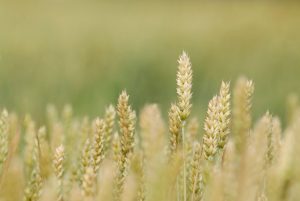
A wheat grower in central Oregon applies Muriate of Potash in mid-November after harvesting barley. The field has moderate potassium levels but low sulfur and calcium. They first broadcast Diamond K Gypsum to correct structure and then apply Muriate of Potash at 150 pounds per acre. By spring, the soil has balanced cation ratios, and the wheat crop exhibits stronger stems, improved cold tolerance, and a richer green canopy during tillering.
A well-planned potash program goes beyond immediate yield. Consistent potassium availability improves overall soil fertility, strengthens perennial roots, and enhances drought resistance. Crops recover faster from stress, and microbial activity remains stable, supporting nutrient cycling year after year.
Whether you manage broadacre fields or specialty crops, potash serves as the foundation for strong, resilient growth.
Applying potash in late fall is one of the most effective strategies for preparing your soil for spring success. With Muriate of Potash (0-0-60) from Supply Solutions LLC, you can build soil reserves that promote healthier crops, stronger roots, and greater yield potential next season. Reach us through our contact form, message us on Facebook, call 503-451-1622, or email sales@mysolutionssupply.com to find the right fertilizer plan for your operation today.
Walk into a fertilizer warehouse, farm supply store, greenhouse, or garden center and the first thing most people notice on a fertilizer bag is a
When fertilizer prices are high, farmers naturally want every pound of nutrient they purchase to contribute as much as possible to crop production. That makes
Give us a call or visit our store, and we’ll help you find the right solution for your business.