

Uncategorized
How to Read a Fertilizer Grade: What N-P-K Numbers Actually Tell You
Walk into a fertilizer warehouse, farm supply store, greenhouse, or garden center and the first thing most people notice on a fertilizer bag is a
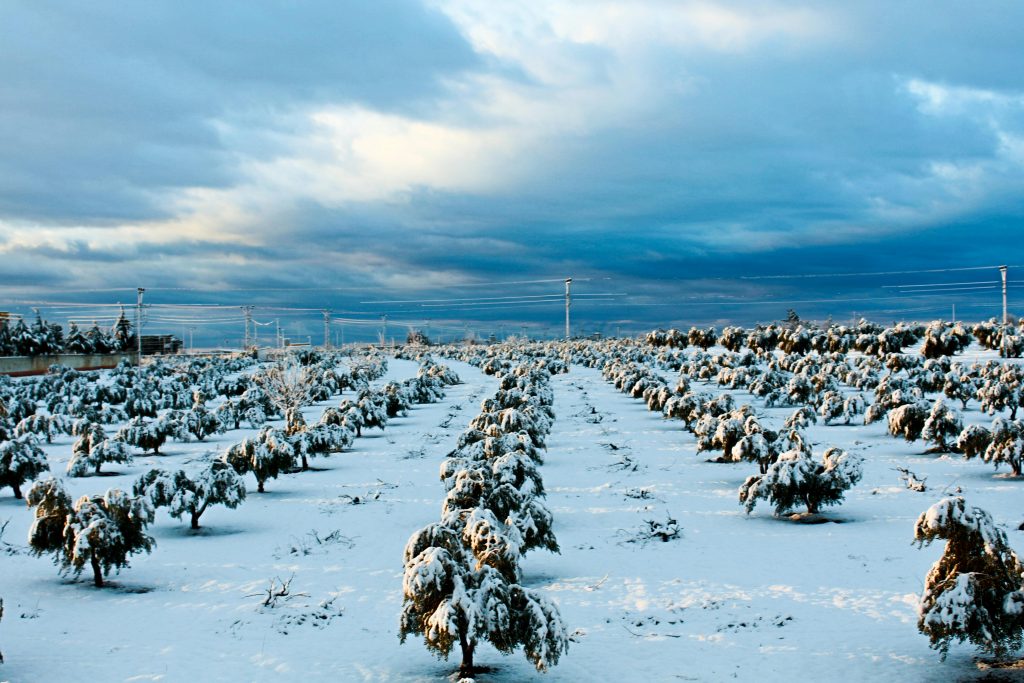
As winter approaches, farmers and gardeners alike start focusing on the final window for fertilization — the narrow period before the ground freezes. During this time, choosing the right soluble fertilizers can make a huge difference in how well your soil retains nutrients and supports early spring growth. Unlike granular fertilizers that take time to break down, soluble fertilizers move quickly through the soil profile, supplying nutrients where roots can access them before dormancy.
At Supply Solutions LLC, growers rely on high-solubility fertilizers such as Diamond K Gypsum Solution Grade, Diamond K Magnesium Sulfate Solution Grade, and Muriate of Potash (0-0-60) to give their fields the best possible start before the long freeze.
When the soil begins to cool but hasn’t frozen yet, microbial activity slows but root absorption still continues. This window — often just a few weeks long — allows soluble fertilizers to penetrate the root zone, providing immediate availability and long-term benefits. As the ground freezes, these nutrients become locked in place, ready to reactivate once the soil thaws in spring.
Soluble fertilizers also prevent waste during heavy winter rains. Because they dissolve fully and move with water, they integrate evenly through the soil instead of sitting on the surface, where granular products may wash away.
By applying the right soluble fertilizers before the freeze, you’re not just feeding crops — you’re priming your entire soil system for recovery and productivity in the next season.
1. Diamond K Gypsum Solution Grade
Diamond K Gypsum supplies two key elements: calcium and sulfur. Calcium strengthens soil structure, enhances drainage, and promotes deep root penetration, while sulfur supports nitrogen efficiency and protein formation. Because it dissolves completely, this product moves quickly into the soil profile, helping maintain nutrient balance during winter.
Apply 200 to 400 pounds per acre in late fall, ideally a few weeks before the first freeze. For fertigation, use solution-grade forms to prevent clogging and ensure uniform distribution.
2. Diamond K Magnesium Sulfate Solution Grade
Diamond K Magnesium Sulfate provides a soluble source of magnesium and sulfur, two nutrients often depleted after summer harvest. Magnesium fuels photosynthesis in late-season cover crops and enhances chlorophyll formation, while sulfur supports microbial decomposition. Apply 50 to 100 pounds per acre, depending on deficiency levels.
This fertilizer is especially effective when used in systems transitioning from intensive summer production to winter cover cropping.
3. Muriate of Potash (0-0-60)
Muriate of Potash delivers highly soluble potassium for improved cold tolerance, stronger roots, and efficient water regulation. It’s one of the most important nutrients to apply before freeze because it enhances cell turgidity — the plant’s internal water pressure — which helps prevent frost damage. Apply 100 to 200 pounds per acre, adjusting based on soil test results.
The best time to apply is when soil temperatures range between 40°F and 55°F — cool enough to slow volatilization but warm enough for nutrients to move. The ideal window typically falls three to four weeks before your area’s first hard freeze.
Apply fertilizers after harvest cleanup but before consistent subfreezing nights. If possible, plan applications after light rain or irrigation to improve soil moisture and aid solubility. Avoid spreading on frozen or saturated ground to prevent runoff and uneven absorption.
Combining soluble fertilizers increases their effectiveness by addressing multiple soil needs at once. For example:
These combinations can be applied sequentially or through fertigation, depending on your system setup.
A vineyard grower in southern Oregon applied a combination of Diamond K Gypsum and Muriate of Potash two weeks before the first freeze. By early spring, grapevines showed uniform bud break, thicker shoots, and improved root vigor compared to untreated rows. The soluble nutrients had stabilized over winter, ensuring early nutrient availability without additional pre-bloom fertilization.
Even during dormancy, soil organisms remain active beneath the frost line. Soluble fertilizers provide the energy and minerals these microbes need to continue decomposing organic matter. This slow winter cycling maintains healthy nutrient reserves and prevents the soil from “going stale.” When spring arrives, microbial populations rebound faster, accelerating nutrient release to early crops.
Applying soluble fertilizers before freeze is about foresight — preparing your soil system to stay alive and balanced through the coldest months. Products like Diamond K Gypsum Solution Grade, Diamond K Magnesium Sulfate Solution Grade, and Muriate of Potash (0-0-60) from Supply Solutions LLC give you the flexibility and reliability needed for precise late-season management.
Reach us through our contact form, message us on Facebook, call 503-451-1622, or email sales@mysolutionssupply.com to get professional fertilizer recommendations tailored to your climate and crop rotation.
Walk into a fertilizer warehouse, farm supply store, greenhouse, or garden center and the first thing most people notice on a fertilizer bag is a

When fertilizer prices are high, farmers naturally want every pound of nutrient they purchase to contribute as much as possible to crop production. That makes
Give us a call or visit our store, and we’ll help you find the right solution for your business.