

Uncategorized
How to Read a Fertilizer Grade: What N-P-K Numbers Actually Tell You
Walk into a fertilizer warehouse, farm supply store, greenhouse, or garden center and the first thing most people notice on a fertilizer bag is a
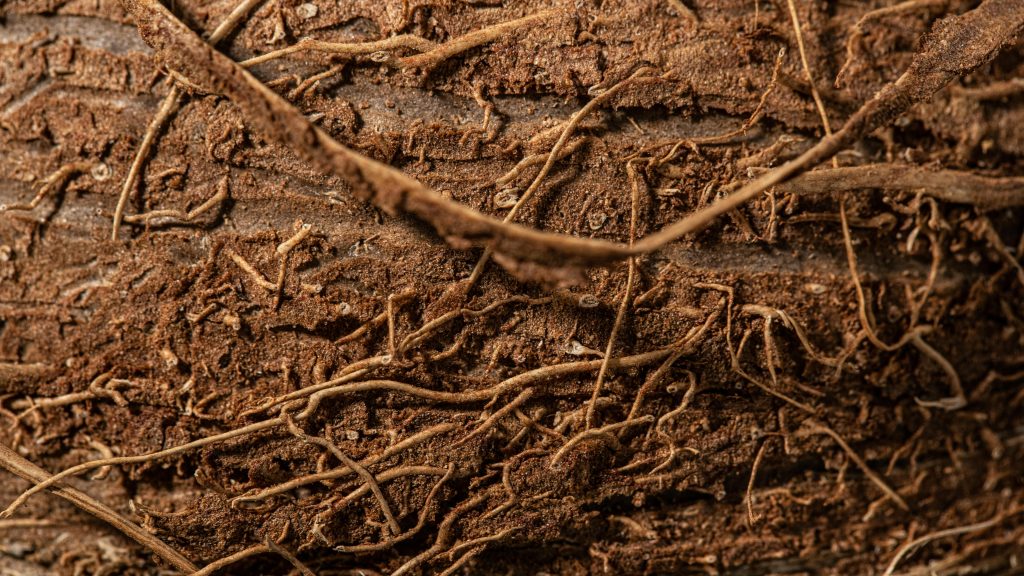
While the cold season slows growth above ground, plant roots remain active well into winter — quietly taking in nutrients, rebuilding tissues, and preparing for spring. This makes late fall one of the most important times to support the root zone, the foundation of every healthy plant.
Two key nutrients play a critical role in this process: calcium and magnesium. Together, they build strong root structures, improve nutrient uptake, and increase resilience to cold and disease. By applying the right fertilizers before the freeze, you can ensure your soil stays balanced and your crops start next season with a clear advantage.
At Supply Solutions LLC, growers depend on products like Diamond K Gypsum Solution Grade and Diamond K Magnesium Sulfate Solution Grade to deliver these nutrients in pure, water-soluble forms that feed the root zone efficiently and consistently through the colder months.
When temperatures drop, plants redirect their energy from leaf and fruit production to root development. A strong root system stores carbohydrates, anchors the plant against frost heaving, and primes early spring growth. However, cold and compacted soils can limit nutrient mobility and root expansion.
That’s why calcium and magnesium applications in late fall are so valuable. They stabilize soil structure, improve porosity, and enhance root-zone oxygenation — giving roots room to breathe and grow even when microbial activity slows.
Calcium is the foundation of both soil structure and plant tissue. It acts as a binding agent that holds soil particles together, forming aggregates that improve water infiltration and reduce compaction. In the plant, calcium strengthens cell walls, creating firm root tissue that resists freezing and pathogen invasion.
Diamond K Gypsum Solution Grade is one of the most efficient ways to supply calcium in late fall. Unlike lime, it doesn’t alter soil pH, making it suitable for a wide range of soil types. It also contains sulfur, which complements calcium’s structural benefits by improving protein synthesis and nutrient absorption.
When applied before winter, gypsum helps:
While calcium builds structure, magnesium fuels function. It is the central atom in chlorophyll, responsible for capturing light energy and driving photosynthesis. Even in cooler months, perennial crops and overwintering cover crops rely on magnesium for energy storage and root activity.
Diamond K Magnesium Sulfate Solution Grade provides both magnesium and sulfur in a completely soluble form. Magnesium improves cation balance in the soil, while sulfur enhances nitrogen efficiency — both essential for strong root metabolism.
Applied in late fall, this fertilizer:
Calcium and magnesium work best together — but only when applied in the correct proportions. Too much calcium can suppress magnesium uptake, while excess magnesium can tighten the soil, reducing aeration. The key is balance.
When used strategically, calcium and magnesium complement each other beautifully:
The result is a well-structured, biologically active root zone that stays functional even in low temperatures.
Late fall is ideal for root-zone feeding because soil moisture helps carry nutrients deeper, and there’s minimal risk of nutrient loss.
Recommended sequence:
For fertigation systems, both products can be applied at lower rates for uniform distribution and precise control.
A vegetable grower in Bend applied 300 pounds per acre of Diamond K Gypsum Solution Grade in late October, followed two weeks later by 100 pounds per acre of Diamond K Magnesium Sulfate Solution Grade. The results were clear by early spring: the soil was softer, root mass was denser, and the plants showed faster early growth compared to untreated plots. The grower also reported fewer frost-heaving issues, proving that the calcium-magnesium pairing reinforced both soil and root stability.
To further boost root performance and winter resilience, supplement calcium and magnesium treatments with:
This multi-nutrient strategy ensures the soil remains active and resilient during the cold season.
Root-zone nutrition doesn’t just protect your crops from cold — it also sets the tone for next season’s yield. Calcium improves nutrient flow and disease resistance, magnesium enhances photosynthetic recovery, and sulfur boosts early growth vigor. By investing in the root system now, you build the biological infrastructure for sustained productivity.
Strong roots equal strong harvests. Supporting the root zone with Diamond K Gypsum Solution Grade and Diamond K Magnesium Sulfate Solution Grade ensures your soil remains structured, balanced, and full of life throughout the winter.
For expert fertilizer guidance tailored to your soil type and growing goals, visit Supply Solutions LLC. Reach us through our contact form, message us on Facebook, call 503-451-1622, or email sales@mysolutionssupply.com — and keep your soil strong from the roots up.
Walk into a fertilizer warehouse, farm supply store, greenhouse, or garden center and the first thing most people notice on a fertilizer bag is a

When fertilizer prices are high, farmers naturally want every pound of nutrient they purchase to contribute as much as possible to crop production. That makes
Give us a call or visit our store, and we’ll help you find the right solution for your business.