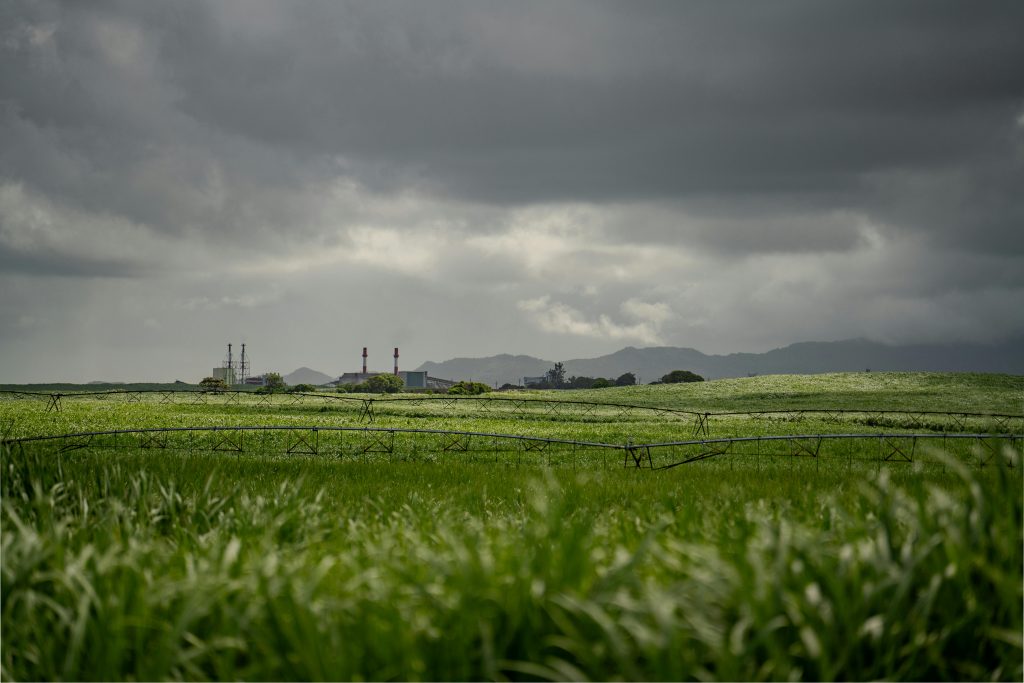
Some soils just like to stay on the “sweet” side.
Maybe your soil test keeps coming back at 7.8 or 8.1. Maybe your blueberries sulk, your hydrangeas refuse to turn blue, or your alfalfa shows iron chlorosis in the same spots year after year. High pH soils can quietly limit nutrient availability, reduce yield, and make certain crops much harder to manage.
Winter is often when farmers, gardeners, and landscapers start asking:
- Can I use sulfur or ammonium sulfate this winter to nudge my pH in the right direction
- What is realistic in a calcareous or high pH soil
- Where does a product like ammonium sulfate fit into the long term plan
This article will walk through:
- What “high pH” really means for your crops
- The difference between elemental sulfur and sulfate sulfur
- How ammonium sulfate acidifies soil over time
- Where Supply Solutions Ammonium Sulfate 21-0-0 + 24% Sulfur fits for farmers, home gardeners, and landscapers
- Practical winter and early spring strategies that respect both the science and the label
The goal is not to promise miracles. It is to help you make smart, realistic decisions that protect your soil and your fertilizer budget.
What “High pH” Really Means For Your Soil
pH is more than a number
Soil pH is a measure of how acidic or basic the soil solution is. Most agronomic and horticultural crops prefer a slightly acidic to neutral range, roughly 6.0 to 7.0, though there are exceptions.
When soils climb much above about 7.5:
- Phosphorus availability can drop
- Micronutrients like iron, manganese, zinc, and copper become less available
- Sensitive crops may show yellowing between the veins (interveinal chlorosis), especially on younger leaves
In calcareous soils, which contain free lime (calcium carbonate), pH is strongly buffered. That means the soil resists change. In these soils, trying to push pH down across the entire root zone is often impractical and expensive.
That does not mean you are stuck. It does mean you need realistic tools and goals.
Symptoms you might see
In high pH soils you may observe:
- Iron chlorosis in sensitive crops such as soybeans, dry beans, sorghum, small fruits, and some ornamentals
- Phosphorus deficiency symptoms even when soil tests show moderate or high P
- Poor performance of acid loving plants such as blueberries, azaleas, rhododendrons, and some hydrangeas
- Crusting, sealing, or structural issues in some cases, especially when sodium is also elevated
A soil test is the only honest way to confirm pH and understand what is really going on, so winter is a good time to pull or review current tests.
Elemental Sulfur And Sulfate Sulfur Are Not The Same
It is tempting to think “sulfur is sulfur.” In soil chemistry, the form of sulfur matters a great deal.
Elemental sulfur: the heavy lifter for pH change
Elemental sulfur (S⁰):
- Is not directly taken up by plants
- Must be oxidized by soil bacteria into sulfate
- Produces acidity as it oxidizes, which can lower soil pH over time
A few important points:
- The reaction is biological, so it is slower in cold, wet, or waterlogged soils
- It can take months for the full effect of an elemental sulfur application to show up in soil pH
- The amount of sulfur required depends on soil texture, existing pH, and how much free lime is present
In lime rich soils, trying to acidify the entire root zone with elemental sulfur often requires impractically high rates. That is why elemental sulfur is often used in:
- Garden beds and landscape beds
- Smaller, high value areas
- Container mixes and raised beds
rather than across entire fields of calcareous soil.
Sulfate sulfur: plant ready, but not a pH hammer
Sulfate sulfur is already in the form plants use. It is present in materials such as:
- Gypsum (calcium sulfate)
- Potassium sulfate (sulfate of potash)
- Magnesium sulfate
- Ammonium sulfate
Sulfate itself does not dramatically acidify soil. It is a nutrient form, not a primary pH adjustment tool. Sulfate fertilizers are excellent for feeding crops that need sulfur, but they do not replace elemental sulfur when the goal is to move pH significantly in a buffered soil.
Where does ammonium sulfate fit
Ammonium sulfate is different because it brings two things:
- Ammonium nitrogen (NH₄⁺)
- Sulfate sulfur (SO₄²⁻)
The acidifying effect of ammonium sulfate comes mainly from the nitrogen, not from the sulfate. When soil organisms convert ammonium to nitrate, they release hydrogen ions, which acidify the soil locally.
That makes ammonium sulfate an “acid forming” nitrogen source. It is a practical tool to:
- Supply nitrogen and sulfur
- Help maintain lower pH in already acidic or moderately buffered soils
- Gradually neutralize some alkalinity around fertilizer bands and roots
It is not usually used by itself to rapidly drop pH across an entire field.
Getting To Know Supply Solutions Ammonium Sulfate 21-0-0 + 24% Sulfur
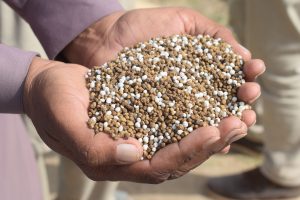
Supply Solutions Ammonium Sulfate Fertilizer 21-0-0 + 24% Sulfur is a granular fertilizer designed to:
- Provide 21 percent ammoniacal nitrogen for vigorous green growth
- Provide 24 percent sulfur to support protein formation and overall plant health
- Serve as a soil acidifier for acid loving plants and soils that are too alkaline, when used as directed
The product description emphasizes:
- Deep green foliage and vibrant blooms
- Support for acid loving flowers and trees
- Use on lawns and landscapes where slightly acidic conditions are desired
- pH lowering effects when used regularly in soils that are too alkaline for sensitive plants
This combination of nitrogen, sulfur, and acidifying behavior makes the product a versatile tool for:
- Farmers managing specific high pH zones or starter bands
- Home gardeners with alkaline soils who want to support acid loving plants
- Landscapers dealing with disturbed, alkaline construction soils
Always treat the label as your primary guide for crops, rates, and timing.
How Ammonium Sulfate Acidifies Soil Over Time
The nitrogen side: nitrification generates acidity
When you apply an ammonium fertilizer like ammonium sulfate, soil microbes gradually convert ammonium to nitrate. This process is called nitrification. It releases hydrogen ions into the soil, which lowers pH locally around the fertilizer band and root zone.
Important practical points:
- All ammonium based fertilizers have some acidifying effect
- Ammonium sulfate is one of the more strongly acidifying nitrogen sources
- The total pH change depends on how much you apply, how often you apply it, and how buffered your soil is
Over several years of repeated use, ammonium sulfate can:
- Gradually lower pH in non calcareous soils
- Help maintain low pH in beds for acid loving plants
- Make occasional liming necessary in some fields and lawns if it is the primary nitrogen source
The sulfur side: feeding plants, not just changing pH
The sulfate sulfur in ammonium sulfate:
- Is immediately available for plant uptake
- Is essential for protein formation and many plant enzymes
- Has become more important in modern systems as background sulfur from the atmosphere has decreased
In many regions, crops now respond to sulfur applications where they did not decades ago. Ammonium sulfate can fill that sulfur need while also supplying nitrogen.
In short, you are buying ammonium sulfate primarily for the nitrogen and sulfur. The pH change is a secondary effect that must be planned for.
Using Ammonium Sulfate Wisely In Winter And Early Spring
Winter is not the time to apply large amounts of any fertilizer in the hope of a quick pH cure. It is the season to plan and, where appropriate, position nutrients so they are ready for spring.
For farmers: managing high pH and calcareous fields
In high pH, lime rich agricultural soils, broad pH change is rarely realistic. Better goals are:
- Improve nutrient availability in the root zone
- Optimize nitrogen and sulfur nutrition
- Use localized acidification where it matters most
Here is where ammonium sulfate can fit.
1. Starter fertilizer where extra P is not needed
In soils with high or excessive phosphorus, adding more P in the starter band does not always make sense. In those cases, ammonium sulfate can be used as part of a starter program to supply nitrogen and sulfur without extra P.
Benefits include:
- Acidifying effect around the band, which can help with P availability in a high pH seed zone
- Sulfur support in cool, wet soils where S availability lags
- Cleaner management of P on soils that already test high
Rates and placement must follow label directions and local agronomic guidance.
2. Topdressing for sulfur responsive crops
Many small grains, oilseeds, forage crops, and some legumes respond to sulfur on:
- Sandy soils
- Low organic matter soils
- Fields without recent manure or sulfur containing fertilizers
Ammonium sulfate as a topdress can:
- Supply sulfur early in the season
- Contribute a portion of the nitrogen requirement
- Slightly acidify surface soil over time with repeated use
It is important to integrate ammonium sulfate into the overall N budget and not add it on top of an already full nitrogen plan.
3. Localized help for sensitive crops
Some crops are prone to iron chlorosis and other high pH issues. For those fields, ammonium sulfate can be one part of a broader strategy that may also include:
- Tolerant varieties
- Banded phosphorus and micronutrients
- Organic matter management
- Thoughtful irrigation scheduling
The idea is not to fix the whole field but to improve conditions in the rooting zone where the crop is most sensitive.
For home gardeners: acid loving plants and alkaline soils
Gardeners often see the high pH story show up in a few familiar places:
- Blueberries that struggle to thrive
- Hydrangeas that stay pink in alkaline soil
- Rhododendrons and azaleas that yellow between the veins
Ammonium sulfate is commonly recommended as a nitrogen source for acid loving plants, especially where pH is slightly above their preferred range.
With Supply Solutions Ammonium Sulfate 21-0-0 + 24% Sulfur, you can:
- Feed acid loving plants with a nitrogen source that helps keep the root zone acidic
- Supply sulfur that supports overall plant health and color
- Maintain pH in an acceptable range after you have already used other amendments such as elemental sulfur, acidic peat, or specialized planting mixes
Winter and early spring tips:
- Use winter to get a current soil test before changing your program
- For slightly alkaline soils, plan to use ammonium sulfate as one of your regular fertilizers for acid loving plants, at label rates
- For very alkaline, strongly calcareous soils, consider raised beds or containers filled with suitable mixes if you want true acid loving species. No fertilizer alone will turn a highly lime rich soil into a blueberry friendly soil without major reconstruction
The label will provide specific guidance for lawns, trees, shrubs, and ornamentals. Measure your beds and lawns so that you apply the correct amount rather than guessing.
For landscapers: urban and construction soils
Landscapers often inherit soils that are:
- Disturbed and compacted
- High in pH due to base rock, concrete, or fill materials
- Low in organic matter
In these situations, a realistic approach usually includes:
- Adding compost and organic matter
- Using species that tolerate higher pH where appropriate
- Carefully fertilizing acid loving plantings
Ammonium sulfate can be useful for:
- Preplant and maintenance fertilization of acid loving shrubs and trees in prepared beds
- Supporting greener, denser turf where slightly acidic conditions are preferred and allowed by local rules
- Helping manage chlorosis in specific plantings, as part of a broader plan
It should not be the only tool on a site. In many cases, combining it with organic matter, appropriate mulches, and selective use of elemental sulfur in beds gives the best overall result.
Winter Planning: Realistic pH Goals And Smart Sulfur Use
Step 1: read your soil test carefully
Spend some time this winter with your soil reports. Look at:
- pH
- Buffer pH, if reported
- Calcium, magnesium, and lime indicators
- Sulfur levels and organic matter
Ask yourself:
- Do I have mildly high pH or strongly calcareous conditions
- Are my issues more about P and micronutrient availability than about the pH number itself
- Is sulfur borderline or clearly deficient
Step 2: set realistic goals
Rather than “I want my pH to be 6.5 everywhere,” consider goals like:
- Maintain or gently lower pH in high value beds or bands
- Improve sulfur nutrition where needed
- Choose nitrogen sources that are neutral or helpful for your pH situation
Examples:
- Use elemental sulfur and organic matter in small, high value areas where a bigger pH change is justified
- Use ammonium sulfate as one of your nitrogen sources where mild acidification is helpful
- Avoid unnecessary lime or alkaline amendments in already high pH soils
Step 3: decide where ammonium sulfate fits
Ammonium sulfate from Supply Solutions can play several roles:
- Main N and S source in part of your crop rotation
- Maintenance fertilizer for acid loving gardens and landscapes
- Targeted tool for starter bands or high pH hot spots
In each case, you are aiming for:
- Healthy plants with adequate nitrogen and sulfur
- Gradual, controlled pH adjustments where they matter
- Good stewardship of both soil and water quality
Step 4: make a written plan
Use winter downtime to write out:
- Which fields, lawns, or beds will receive ammonium sulfate
- Why you are using it there (nutrient supply, pH maintenance, or both)
- Label based application rates and timing
- Any complementary amendments, such as elemental sulfur in small zones or other fertilizers for P and K
Sharing that plan with your agronomist or with the Supply Solutions team is often the quickest way to catch any gaps or oversteps.
Safety, Labels, And When To Ask For Help
Ammonium sulfate is widely used and well understood, but like any fertilizer it needs respect.
General good practice includes:
- Never applying more nitrogen than your crop or turf can safely use
- Recognizing that strongly acidifying N sources can lower pH too much over time if used heavily on already acidic or unbuffered soils
- Avoiding attempts to use nitrogen alone to force large pH drops in strongly lime rich soils
For Supply Solutions Ammonium Sulfate 21-0-0 + 24% Sulfur:
- Read the label fully before use
- Only apply to crops and sites listed on the label
- Match rates and timing to your soil tests and plant needs
- Store bags in a cool, dry place off the floor, with labels visible and intact
If anything is unclear, it is always better to ask a question than to guess at a rate or timing. The Supply Solutions team can help you interpret labels and align products with your agronomy plan.
A Simple Winter Checklist For High pH Soils
You can adapt this list to a farm, landscape business, or home garden.
- Pull or review recent soil tests and note pH, organic matter, sulfur, and lime indicators.
- Group fields or planting areas into:
- Moderately high pH
- Strongly calcareous
- Acid loving zones in otherwise alkaline sites
- Decide where elemental sulfur and organic matter are appropriate for focused pH change in small, high value zones.
- Decide where ammonium sulfate fits your nitrogen and sulfur plan:
- As a starter or topdress for crops
- As a maintenance fertilizer for acid loving plants
- As one component of turf and landscape feeding programs
- Match products to goals:
- Write down label based rates and timing for each area instead of guessing.
- Review your plan with an agronomist or with Supply Solutions before spring applications begin.
Final Thoughts: Gentle, Smart Moves Beat Quick Fixes
High pH soils can be frustrating, especially when you want to grow crops or ornamentals that prefer more acidity. It is natural to look for a single product that will fix the problem quickly.
In reality, the most successful long term strategies usually combine:
- Honest soil testing and realistic pH goals
- Strategic use of elemental sulfur and organic matter in smaller, high value zones
- Thoughtful use of acidifying nitrogen sources like Supply Solutions Ammonium Sulfate 21-0-0 + 24% Sulfur where nitrogen, sulfur, and mild acidification all help
- Good water, residue, and organic matter management to support healthy roots and soil life
Winter is the season to put those pieces together on paper, so that in spring you are working a plan, not reacting in the moment.
If you would like help reading your soil test, deciding where ammonium sulfate belongs in your program, or coordinating with other Supply Solutions products, the team is ready to walk through the options with you.
Ready to manage high pH soils with a smarter sulfur and nitrogen plan
Supply Solutions is a veteran owned fertilizer and industrial supplier serving farmers, growers, and green industry professionals across the Pacific Northwest and beyond. From ammonium sulfate and sulfate of potash to humic solutions and organic 4-3-2 pellets, our team is here to help you feed smarter and grow stronger.
Connect with Supply Solutions: