

Uncategorized
Lawn Fertilizer Timing in May: Green Growth Without Soft Growth
May is when lawns start getting judged again. The grass is growing. Mowers are running. Homeowners are looking across the yard and noticing pale patches,
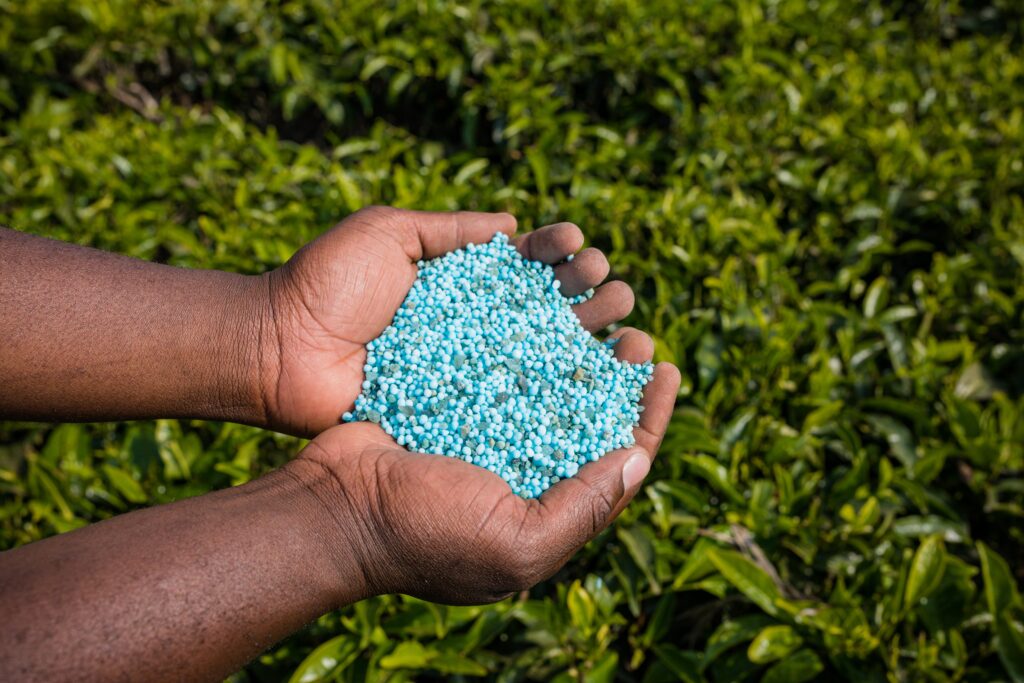
With a growing emphasis on sustainability and eco-friendly practices, individuals and businesses alike are reevaluating products that were once considered commonplace.
What Is Synthetic Fertilizer?
Synthetic fertilizer is a form of plant nutrition delivering essential macronutrients, chemical compounds vital for robust plant growth. While it promotes rapid and visually attractive plant development, it may not necessarily contribute to overall plant health.
Are Synthetic Fertilizers Harmful to the Environment?
The onset of the Green Revolution more than 90 years ago marked a significant increase in global crop yields, thanks to the widespread adoption of synthetic fertilizers. Only recently, however, have researchers and concerned citizens begun to uncover the unfortunate repercussions of using these chemicals on both plant life and animals, including humans.
At Supply Solutions, we consider ourselves environmental stewards. Recognizing the potential harm that improper usage of the products we employ could inflict on the places where many people live, work, and play, we are committed to discussing four compelling reasons why we should decrease our reliance on synthetic fertilizers and transition to organic alternatives.
Synthetic fertilizers pose a threat to the environment due to their elevated levels of nitrogen and phosphorus. The runoff of phosphorus from agricultural and landscaped areas utilizing these fertilizers has contributed to the alarming algae bloom in Lake Erie, causing detrimental effects on aquatic life in the region.
While some sources claim that synthetic fertilizers kill beneficial soil bacteria, the reality is not much better. Instead, the chemicals in synthetic fertilizers stimulate bacteria and microbes in the soil, leading them to consume more organic matter than plants can replenish. This results in soil deprived of essential nutrients crucial for plant growth, highlighting the significance of fertile soil as one of our planet’s most underestimated natural resources.
History is replete with narratives of civilizations collapsing due to soil exhaustion, underscoring the need for society to explore more sustainable approaches to enhance plant growth and yields.
The extensive reliance on chemical fertilizers over the past six decades has resulted in a notable lack of research into improving organic fertilizers. However, recent initiatives by companies have demonstrated substantial investments in research to create fertilizers that not only enhance soil health but also yield excellent natural results.
This positions the finest organic fertilizers above their synthetic counterparts, as they address not only the plants but also the soil that serves as their foundation. Consequently, synthetic fertilizers, in the long run, fall short in truly nourishing the landscape.
Synthetic fertilizers not only pose risks to the environment, your pets, and children but also contribute to the gradual weakening of plants, rendering them more susceptible to insect infestations and diseases. The reason behind this lies in the fact that pests tend to target plants with metabolic imbalances, lacking the enzymes necessary to break down proteins in healthy plants. Additionally, nutrient-deficient soil produces plants that are more prone to diseases, akin to how vitamin deficiencies in humans can lead to various illnesses.
Pet owners are well aware of their furry companions’ tendency to explore the world through their mouths, and plants are no exception to this curious habit. Cats and dogs, when consuming grass or other plants recently treated with synthetic fertilizer, may exhibit symptoms ranging from vomiting to seizures, with the potential for the fertilizer to be fatal upon direct ingestion.
The danger stems from the fact that synthetic fertilizers not only provide essential nutrients like nitrogen and potassium for plants but also contain a mixture of potentially harmful elements such as pesticides, urea, and sometimes even arsenic.
While certain organic fertilizers, derived from animal bone meal, can pose risks if they congeal in animals’ digestive systems, Schill’s liquid fertilizer proves to be a safer alternative.
However, it’s not just our four-legged companions who face risks. The impact of synthetic fertilizers on children remains a topic of debate, with studies indicating associations with issues ranging from reduced fetal weight to neurological effects and even cancers.
As a precautionary measure, it is advised not to allow children or pets onto freshly fertilized areas until either ¼” of rain has occurred or 72 hours have elapsed. This precaution is particularly pertinent in commercial properties that regularly accommodate pets and people, such as shopping centers or condo communities, where the negative implications could be significant.
For more information on organic fertilizers, contact us now!
May is when lawns start getting judged again. The grass is growing. Mowers are running. Homeowners are looking across the yard and noticing pale patches,

Side-dressing is one of the most practical ways to feed vegetables once the season is moving. It lets you adjust fertility after plants are up,
Give us a call or visit our store, and we’ll help you find the right solution for your business.
© Supply Solutions LLC 2025