

Uncategorized
What Fertilizer Should You Use If Your Soil Test Is Delayed?
It happens more often than expected. You’re ready to plant, conditions are lining up, but your soil test results aren’t back yet. Maybe they’re delayed,
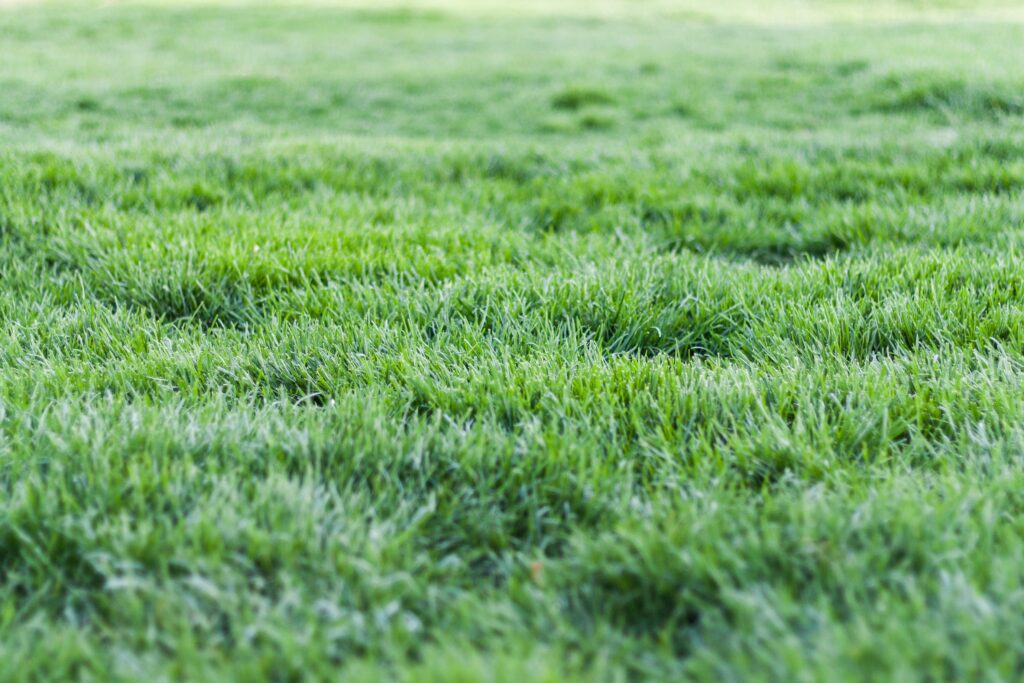
Melting ice on your lawn is a task effectively tackled by de-icing products, but is it advisable to use them on your lawn? This article delves into the meaning of de-icing, explores the advantages and disadvantages of applying de-icers to your lawn, and provides additional insights on the topic.
What is De-Icing?
De-icing is a familiar practice for those accustomed to enduring snowy winters. It serves as a crucial method to keep walkways clear of snow, minimizing the risk of accidents caused by slips and vehicular mishaps. Additionally, it provides a solution to the common query of how to melt ice on a lawn.
Typically formulated from salt derivatives, de-icing products alter the freezing point of water. These versatile compounds offer three primary applications. Firstly, they can be applied before snowfall to prevent excessive snow accumulation. Secondly, they prove effective in melting residual snow after manual removal. Lastly, de-icers are valuable for breaking down ice once it begins to accumulate.
A notable advantage of de-icing is its rapid efficacy, with visible results in less than 30 minutes post-application. This fast action has contributed to the popularity of de-icers as a preferred snow removal option, especially for pavement and concrete sidewalks. However, when considering their use in proximity to your lawn or garden, exercise caution and acquire sufficient knowledge about their potential impact beforehand.
Understanding the Advantages and Disadvantages of De-Icing Products on Lawns:
When considering the use of de-icing products on your lawn, it’s essential to assess both the pros and cons. Let’s delve into the pros and cons associated with applying de-icing products to your lawn.
Among the advantages of de-icing products is their efficiency in terms of time and labor. Unlike the time-consuming task of shoveling, the application of de-icers is a quick process. A thin, even layer on the surface is all that’s needed, and the product typically takes effect within 15 to 30 minutes. De-icers are also affordable and readily available.
On the other hand, the use of de-icers containing salt poses a serious threat to plants, potentially causing injury or death. Come spring, areas may need reseeding. Furthermore, the accumulation of de-icing compounds due to poor drainage can jeopardize soil quality. Sodium, a component of these compounds, induces clay particle expansion, leading to increased soil compaction and reduced water infiltration. In extreme cases, the soil’s physical structure may become unsuitable for certain grass species.
Considering the potential risks to lawn health, it becomes evident that the disadvantages of using de-icers on lawns outweigh the advantages.
The encouraging news is the availability of de-icing products specially formulated to be environmentally safe.
Safer Alternatives for Lawn De-Icing:
While sodium chloride or rock salt is commonly chosen for de-icing due to its affordability, it poses a threat to grass health. Therefore, seeking alternatives becomes crucial to remove snow from your lawn without causing harm.
Though pricier and sometimes less accessible, the following products effectively melt snow without damaging grass:
Magnesium Chloride: This de-icer performs well in temperatures as low as -17 degrees Celsius and is frequently used on roadways. While less harmful to plants than sodium chloride, it can still cause significant damage to concrete.
Calcium Chloride: Considered relatively safe for landscapes and lawns when applied correctly, calcium chloride can melt ice down to -31°C, making it suitable for colder regions. However, it carries a corrosive nature, so caution is advised when used near metal surfaces.
Calcium Magnesium Acetate: This de-icer is considered fairly safe for plants as it lacks chloride, nitrogen, or urea, and has low corrosive properties. It performs optimally at temperatures of at least -28°C.
While these alternatives are gentler on plants, proper application is crucial to prevent any adverse effects on the grass.
For those practicing organic lawn care, natural options like sugar beet juice, vinegar, and coffee grounds can be used for snow management. Some may also suggest sand and kitty litter for added traction on slippery surfaces, although they do not melt snow and ice.
If you are yet to plant turfgrass or plan to reseed your entire lawn, and wish to avoid constant concerns about salt damage, consider opting for a more salt-tolerant variety like fine fescue grass.
Does ice melter damage grass? Yes, certain ice melting compounds can harm grass and other plants, contingent on the type of ice melter used. Discover some common alternatives to detrimental de-icing products below.
De-Icicng Your Lawn Safely
Mastering the proper application of de-icing products is vital to prevent or minimize potential harm to plants. However, even with this knowledge, your lawn may not be entirely safeguarded if drainage is inadequate. Therefore, before embarking on the de-icing process, verify that your lawn have efficient drainage.
Prior to venturing outdoors for de-icing, carefully peruse the information on the product label. Product labels typically provide guidance on proper application. When ready, consider employing a mechanical spreader, particularly for larger areas. While manual application is also an option, make sure to wear gloves or use a cup.
After handling any de-icer, including natural alternatives, it is imperative to wash your hands thoroughly. Additionally, ensure the cleanliness of your tools, particularly the spreader, to maintain optimal effectiveness.
The Effects of Inadequate Lawn De-Icing
Failure to properly apply de-icer products can give rise to various issues, with grass burning being just one among them. Another significant concern is the potential compromise of water quality. Improper de-icing methods involving sodium chloride may lead to salt entering waterways, posing a threat to fish and marine life due to its toxic effects on fish, amphibians, and aquatic insects.
Furthermore, the excessive use of de-icing salts has the potential to corrode metals and deteriorate concrete surfaces. Neglecting proper de-icing practices may result in more costly repair and maintenance challenges.
While the risks associated with these issues might make waiting for warmer temperatures seem appealing, abstaining from de-icing also carries its own set of risks. Accumulated snow on the lawn can compress grass, causing blades to bend and become matted over time. This compression can lead to problems like snow mold, necessitating the expertise of a local lawn care professional to address the damage.
Preserving Your Lawn from Snow and Ice Damage
Effective de-icing is just one component of a comprehensive strategy to mitigate winter damage to your lawn. Other essential tasks include fertilizing the lawn with winterizing fertilizer, aerating compacted soil, and ensuring the grass is cut to the appropriate height. These preparations collectively ensure that your grass remains dormant and resilient during winter, ready to thrive once spring arrives.
It happens more often than expected. You’re ready to plant, conditions are lining up, but your soil test results aren’t back yet. Maybe they’re delayed,

Starting a crop for the first time brings a different kind of pressure. There’s a lot of information, a lot of opinions, and not always
Give us a call or visit our store, and we’ll help you find the right solution for your business.
© Supply Solutions LLC 2025