

Uncategorized
What To Review Before Moving Into July Fertility Management
Late June is a useful moment to slow down and look at the whole growing system. By now, the season has enough history to teach
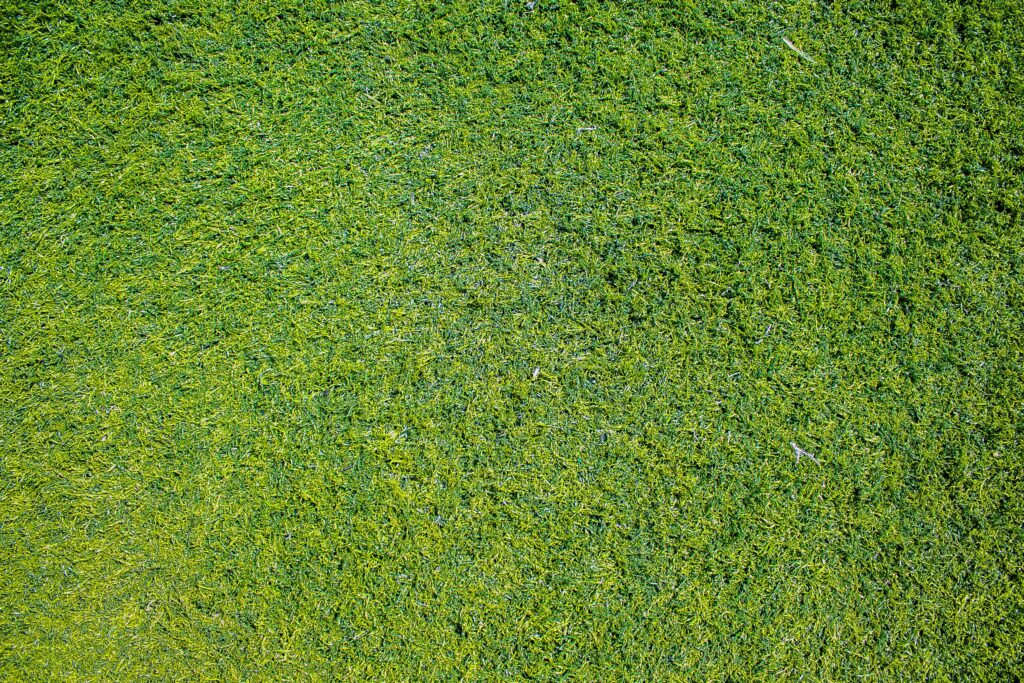
You take great pride in the look of your lawn. But despite your best efforts, you might find your grass turning brown, even with regular watering and care. This can be incredibly frustrating—nobody wants to see unsightly brown patches on their lawn.
Even if your grass thrived in the spring, it might start to struggle as summer sets in. This is a common issue, as several factors can contribute to summer lawn stress. By understanding these issues and implementing the right summer lawn care strategies, you can protect your grass and keep it healthy.
Summer can be tough on your lawn. Let’s explore some of the most common reasons why your lawn might be turning brown during the hottest months.
If your grass is browning despite regular watering, you might be dealing with a lawn disease caused by microscopic organisms like bacteria, fungi, or nematodes.
Most summer lawn diseases are fungal. Here are some of the most prevalent ones:
Managing lawn disease begins with a professional inspection to determine the best course of action. In some cases, fungicides might be necessary, but sometimes adjusting cultural practices like thatch removal or seeding can resolve the issue. A lawn care professional can guide you through your options, considering factors like your specific site conditions and budget.
Pests can also be a major cause of brown grass in the summer. Here are some of the most common culprits:
Extended periods of hot, dry weather can lead to drought stress, causing your lawn to wilt, brown, and potentially die. One way to determine if drought is the cause is by checking how the grass blades bounce back after being stepped on. If footprints or mower tracks remain visible, your lawn is likely drought-stressed.
You can also test soil moisture by pushing a stake or screwdriver into both brown and green patches of your lawn. If it’s harder to penetrate the brown areas, your lawn is probably suffering from dry soil related to drought stress. Deep watering in the morning, about 2 inches of water per week, can help keep your lawn green.
Fertility plays a critical role in your lawn’s health. Your soil can become depleted quickly, so it’s important to apply four to five fertilizer treatments throughout the year to replenish nutrients.
However, timing is crucial. While early and late summer fertilization is acceptable, avoid applying fertilizer during the hottest part of summer, as it can worsen turf diseases.
At Joshua Tree, we recommend fertilizing in early summer and continuing until mid-July, with a break until early September.
Mowing can also contribute to brown grass in summer. Avoid mowing during drought stress, as the grass will struggle to recover from the cuts. Additionally, make sure to mow to the proper height—only remove one-third of the blade at a time and aim to mow one to two times per week, depending on your lawn’s growth rate. Cutting too short (below 3 ½ inches) can stress your lawn further.
To keep your lawn healthy throughout the summer, follow these guidelines:
The health of your lawn depends on the lawn care program you choose. Make sure to select a lawn care company that can meet your needs year-round, ensuring your lawn stays healthy and vibrant through every season.
Late June is a useful moment to slow down and look at the whole growing system. By now, the season has enough history to teach
Late June is when lawns start showing the truth about summer management. A lawn may have looked strong in May. It may have greened up
Give us a call or visit our store, and we’ll help you find the right solution for your business.
© Supply Solutions LLC 2026