

Uncategorized
Lawn Fertilizer Timing in May: Green Growth Without Soft Growth
May is when lawns start getting judged again. The grass is growing. Mowers are running. Homeowners are looking across the yard and noticing pale patches,
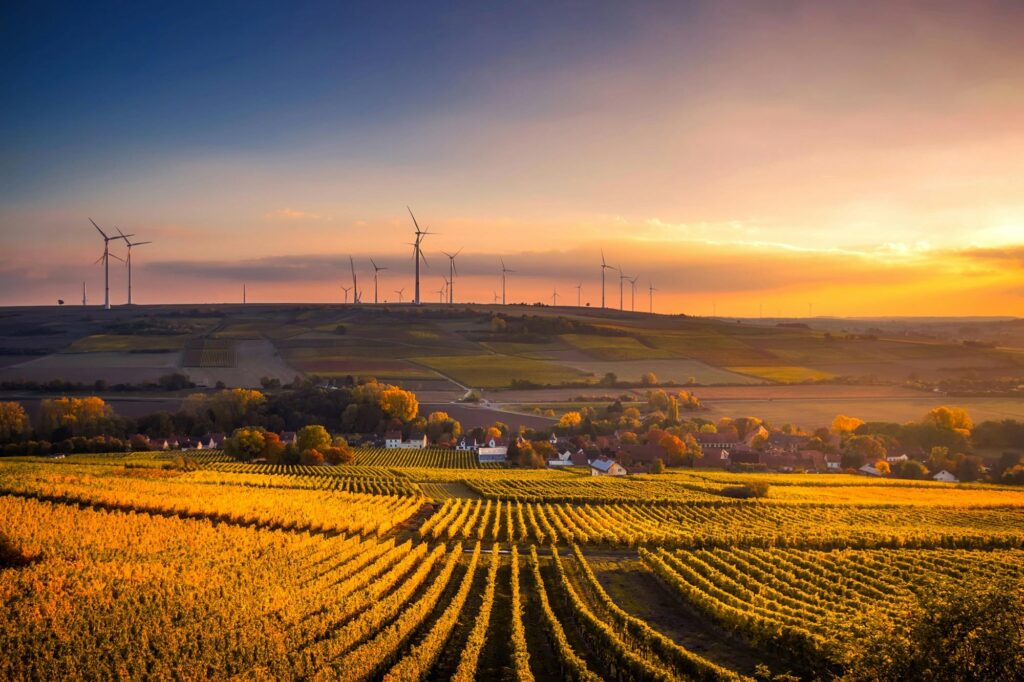
Potash fertilizer, a key source of potassium, is foundational to modern agriculture, playing a vital role in boosting crop growth, enhancing yield quality, and contributing to global food security. Potassium is an essential macronutrient that supports efficient water, nutrient, and carbohydrate movement within plant tissues, promoting optimal plant health and productivity. The challenge, however, lies in leveraging these benefits sustainably. Achieving this balance is crucial to meeting growing global food demands while safeguarding environmental resources for future generations.
This article explores how potash fertilizers enhance agricultural productivity and sustainability, highlighting their applications and significant contributions to global food security.
While applying nutrients through fertilizers or manure can pose environmental challenges, such as nutrient loss to water or air, the agricultural industry is developing more sustainable solutions.
Innovative farming practices and enhanced fertilizer formulations are designed to reduce nutrient loss, especially in sandy soils where leaching is more prevalent.
Unlike nitrogen and phosphorus, potassium does not typically cause environmental issues, so potash application doesn’t pose the same regulatory concerns. Potassium is essential for plant and animal health, and there are no known negative effects on human health or the environment from elevated potassium levels in water or soil. However, insufficient potassium in the soil can result in inefficient nitrogen use, leading to environmental issues.
Maintaining adequate potassium reserves in the soil is critical not only to prevent direct crop deficiencies but also to ensure the efficient uptake of other nutrients, particularly nitrogen. Even when nitrogen is applied at the recommended rate, a potassium deficiency can impair the crop’s ability to utilize the nitrogen, reducing profitability and increasing the risk of nitrogen loss through leaching. This highlights the interconnected nature of nutrient management and environmental sustainability.
Potash fertilizers play a crucial role in advancing food security by providing potassium (K), an essential nutrient for plant health and productivity. Let’s explore how the responsible use of potash contributes to food security and sustainable agriculture.
By enhancing crop quality, high potash fertilizers support sustainable agriculture practices that prioritize nutritional value, marketability, and consumer satisfaction.
Potassium’s essential role in sustainable agriculture and food security is undeniable. Potash fertilizers, as a rich source of potassium, are the backbone of modern farming, improving crop growth, yield quality, and global food security. While there are challenges in using these resources sustainably, continued innovations in farming and fertilizer technology are helping to minimize environmental impacts, advancing both agricultural productivity and sustainability.
May is when lawns start getting judged again. The grass is growing. Mowers are running. Homeowners are looking across the yard and noticing pale patches,
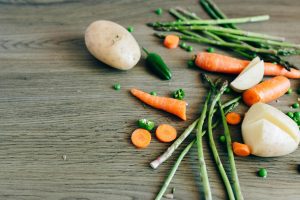
Side-dressing is one of the most practical ways to feed vegetables once the season is moving. It lets you adjust fertility after plants are up,
Give us a call or visit our store, and we’ll help you find the right solution for your business.
© Supply Solutions LLC 2025