
Uncategorized
June Flower Beds: Holding Color Through Heat Without Overfeeding
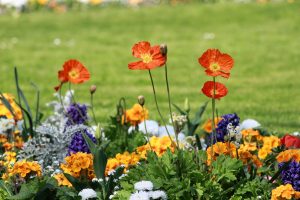
June flower beds can look strong at the start of the month and tired by the end of it. That is common in both home
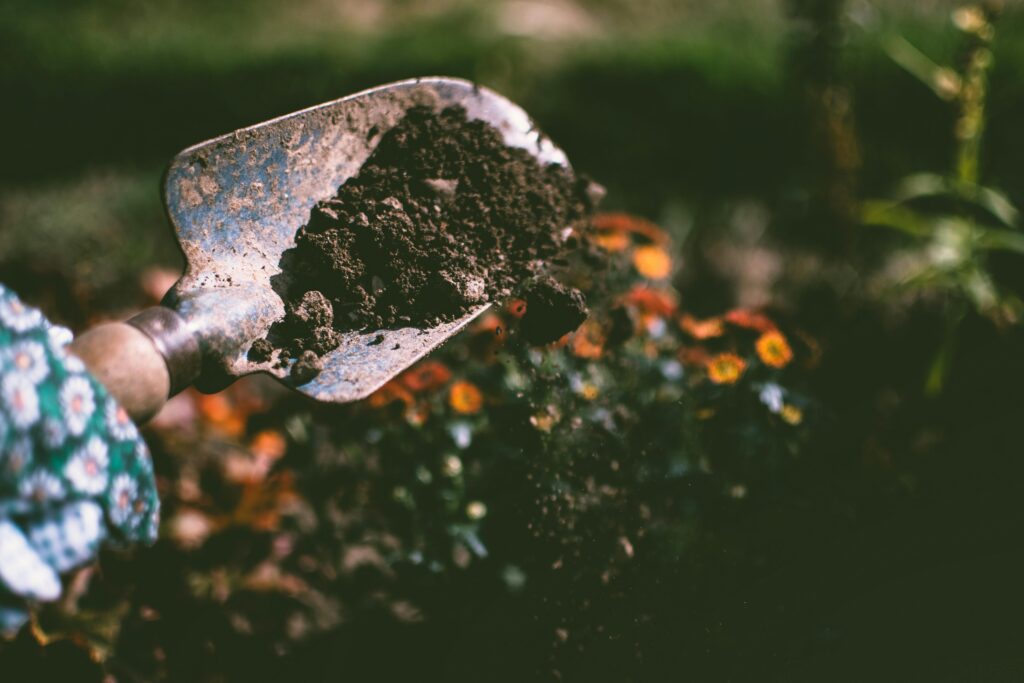
Fertilizer application is essential for plant growth, but applying the correct amount is crucial to avoid over- or under-fertilization, particularly in pot experiments where nutrient availability is more controlled. Whether you’re growing vegetables, flowers, or conducting agricultural research, knowing how to compute fertilizer application rates accurately ensures optimal plant health and development.
This guide provides a step-by-step method to calculate fertilizer application rates, focusing on urea (46-0-0) and ammonium sulfate (21-0-0-24S) in pot trials.
Fertilizers are labeled with their N-P-K ratio, which represents Nitrogen (N), Phosphorus (P), and Potassium (K) as a percentage by weight.
For example:
To compute how much fertilizer to apply, we need to determine the amount of actual nutrient required.
| Fertilizer | Nitrogen Content (%) |
|---|---|
| Urea (46-0-0) | 46% |
| Ammonium Sulfate (21-0-0-24S) | 21% |
Use this formula:
For different pot sizes, scale the application proportionally:
| Pot Size | Soil Weight (kg) | Urea Needed (mg) | Ammonium Sulfate Needed (mg) |
| 1 L Pot | 1 kg | 435 mg | 952 mg |
| 5 L Pot | 5 kg | 2.18 g | 4.76 g |
| 10 L Pot | 10 kg | 4.35 g | 9.52 g |
| Factor | Urea (46-0-0) | Ammonium Sulfate (21-0-0-24S) |
| Nitrogen Content | High (46%) | Moderate (21%) |
| Sulfur Content | None | 24% |
| Soil pH Effect | Slightly acidic to neutral | Acidifies soil |
| Volatilization Risk | High | Low |
| Recommended For | General nitrogen supplementation | Sulfur-deficient soils, alkaline soils |
Computing fertilizer application rates for pot experiments is essential to ensure plants receive the right nutrient amounts without over-fertilization.
June flower beds can look strong at the start of the month and tired by the end of it. That is common in both home
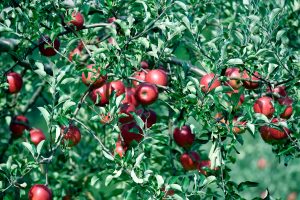
June is an important month for fruit trees and berries because the crop is no longer just setting. It is sizing. Apples, pears, peaches, plums,
Give us a call or visit our store, and we’ll help you find the right solution for your business.
© Supply Solutions LLC 2026