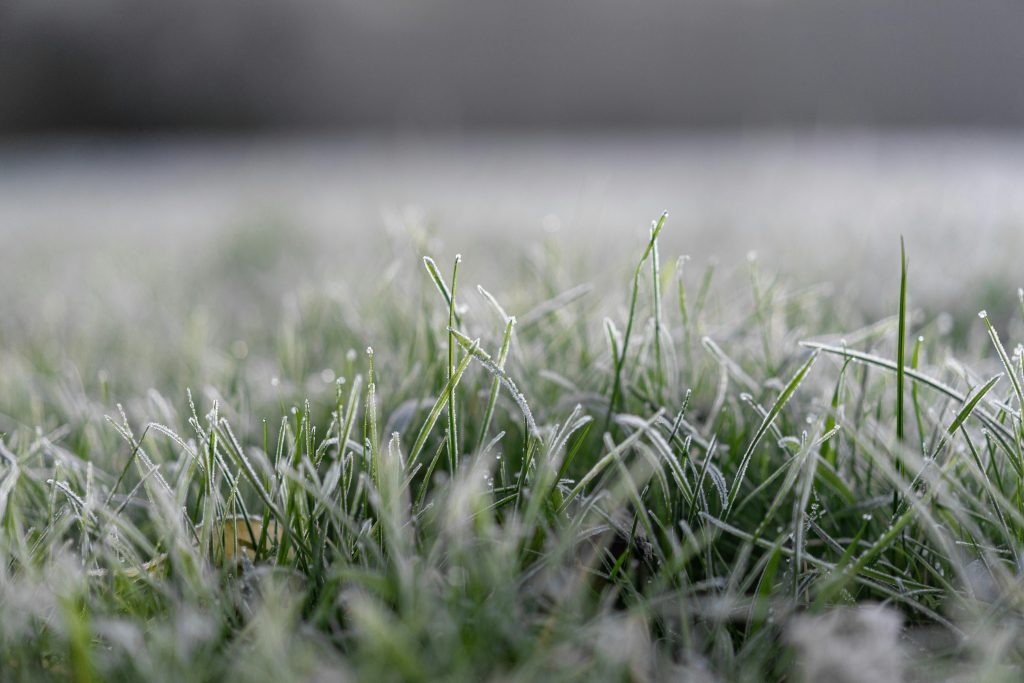
If you want a lush, resilient lawn next spring, the work starts now—in the fall. One of the most effective strategies to ensure a strong, healthy turf after winter dormancy is to properly fertilize your lawn during the transition from fall to winter. And the best tool for this job? A balanced fertilizer like Triple 10 (10-10-10) with micronutrients.
Even though grass growth slows down in late fall, your lawn’s roots are still very much alive and active beneath the surface. Feeding them now gives your turf the nutrients it needs to build energy reserves, strengthen root systems, and prepare for the stress of freezing temperatures.
Order the fertilizer trusted by professional growers and landscapers: Supply Solutions 10-10-10 Complete Lawn and Garden Granular Fertilizer with Micronutrients
Why Fall Fertilization Matters
Many homeowners skip fertilizing in the fall, thinking it’s too late in the season to make an impact. But fall is one of the most important times to feed your lawn—especially cool-season grasses like Kentucky bluegrass, tall fescue, and perennial ryegrass.
During the fall:
- Grass shifts energy from blade growth to root development.
- Soil microbes remain active until the ground freezes.
- Lawns repair damage from summer heat and drought.
- Nutrient uptake is optimized before winter dormancy.
A fall fertilizer application ensures your lawn stores enough nutrients to survive the winter and jump-starts early spring growth.
What Makes Triple 10 Ideal for Fall Lawn Preparation?
Triple 10 fertilizer provides a balanced 10% nitrogen (N), 10% phosphorus (P), and 10% potassium (K) blend—making it one of the most versatile and effective products for fall applications.
- Nitrogen: Supports chlorophyll production and helps grass stay green longer into the season. It also fuels root energy storage.
- Phosphorus: Promotes deeper root systems and encourages root branching, critical for winter hardiness.
- Potassium: Improves stress tolerance, disease resistance, and overall resilience during freezing temperatures.
With the added micronutrients in the Supply Solutions formula, you’re not just covering the basics. You’re giving your lawn access to essential trace minerals that promote robust biological activity in the soil and improve overall turf health.
Get the full product specs here
When Is the Right Time to Fertilize in Fall?
The best time to apply fall fertilizer is typically 4 to 6 weeks before your average first frost. This gives the nutrients time to reach the root zone while soil temperatures are still warm enough for microbial activity and root absorption.
For many regions in the United States, this means:
- Northern zones: Late September to early October
- Central regions: Mid-October
- Southern areas: Late October to early November
Use a soil thermometer if you want to be precise—once soil temperatures consistently fall below 55°F (13°C), root activity slows significantly.
How to Apply Triple 10 Fertilizer to Your Lawn
- Mow the lawn: Cut your grass slightly shorter than usual, but avoid scalping.
- Rake or dethatch: Remove leaves, thatch, or debris to ensure fertilizer makes contact with the soil.
- Apply the fertilizer: Use a broadcast or rotary spreader to ensure even coverage.
- Rate: Apply 1 pound of actual nitrogen per 1,000 square feet, which equals 10 pounds of Triple 10 fertilizer per 1,000 square feet.
- Water it in: Lightly water the lawn to help dissolve the fertilizer granules and push nutrients into the root zone.
- Avoid fertilizing before heavy rain: This can lead to runoff and wasted nutrients.
Common Mistakes to Avoid
- Applying too late: Fertilizer must be absorbed before the ground freezes. Don’t wait until the lawn is already dormant.
- Over-fertilizing: Excess nitrogen in fall can cause disease or excessive blade growth, which is vulnerable to frost damage.
- Skipping micronutrients: Micronutrients are essential for nutrient absorption, enzyme function, and turf resilience.
Triple 10 with micronutrients ensures you don’t miss this critical part of your lawn’s fall feeding.
What About Warm-Season Grasses?
If you’re in a warmer climate with Bermuda, zoysia, or St. Augustine grass, fall fertilization should be done earlier in the season—usually by early October—before your grass goes fully dormant. Triple 10 can still be beneficial, especially if you had heavy summer use or drought stress.
Preparing for Winter: More Than Just Fertilizer
Fertilizing is key, but pairing it with other winter prep tasks will yield even better results:
- Core aeration: Loosens compacted soil and improves nutrient absorption.
- Overseeding: Helps thicken turf and fill in bare spots before winter.
- Mulch mowing: Leave small grass clippings to break down and feed microbes.
- Leaf management: Avoid letting thick layers of leaves sit on your lawn—they smother grass and block sunlight.
Long-Term Benefits of Fall Fertilization
Investing in fall fertilization means less work in spring. Here’s what you’ll notice next season:
- Faster green-up
- Thicker turf
- Fewer weeds
- Better drought and disease tolerance
- Less need for spring fertilizer
It’s the most cost-effective way to build long-term lawn health.
Why Buy from Supply Solutions LLC?
Supply Solutions LLC is trusted by commercial growers, landscapers, and property managers across the U.S. We offer:
- Fast shipping across all 50 states
- Granular fertilizers with consistent, even coating
- A formulation with micronutrients built for year-round nutrition
- Support from a team that understands real lawn care challenges
Get your Triple 10 today and winterize your lawn the smart way.
Questions? Reach Out Anytime
We’re here to help with application rates, timing, and lawn troubleshooting. Reach us through our contact form, message us on Facebook, call 503-451-1622, or email sales@mysolutionssupply.com. Let Supply Solutions LLC help you take control of your lawn care before winter hits.