
Uncategorized
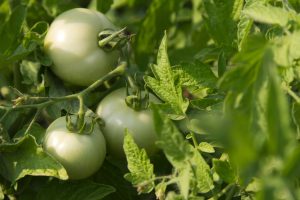
Tomatoes and Peppers in August: Why More Nitrogen Can Mean Fewer Fruits
By August, tomatoes and peppers have usually reached a very different stage from the plants gardeners were managing in May or June. The root systems
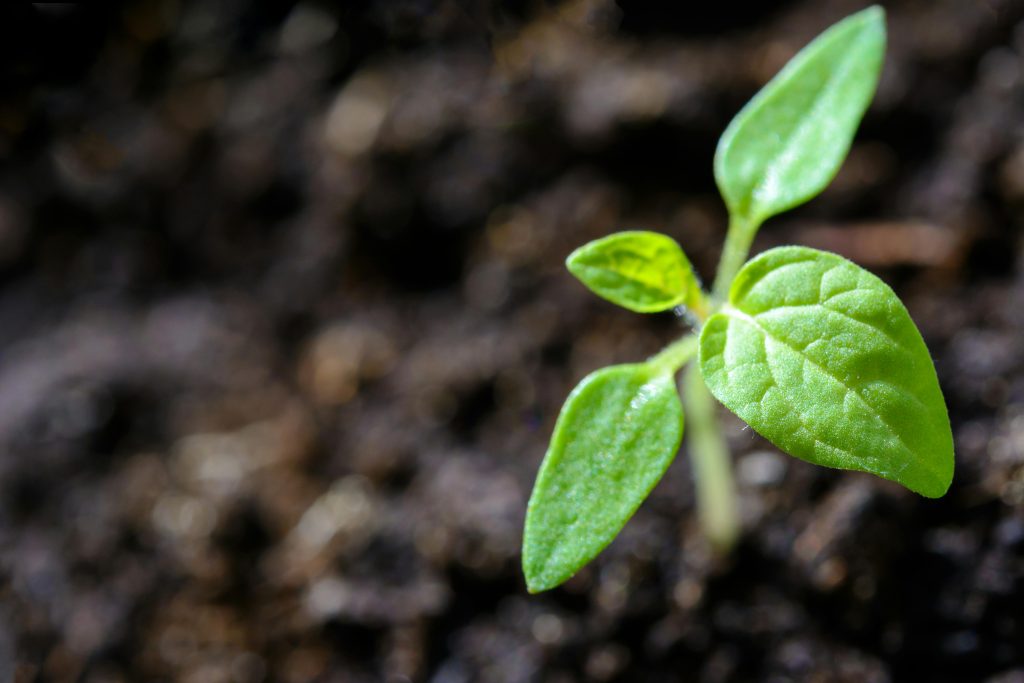
Fall is a crucial transition period in perennial care. As temperatures cool and daylight fades, perennial plants shift their energy from top growth to root development. It’s this underground activity that determines whether your garden will thrive next spring or struggle with weak, disease-prone growth. One of the most effective ways to support this root-building phase is through a potassium-rich fertilizer like Muriate of Potash (0-0-60).
In this guide, we’ll walk you through why potassium is the star of fall fertilization, how Muriate of Potash supports winter resilience in perennials, and when and how to apply it for best results.
Get your potassium source ready here: Supply Solutions Muriate of Potash (0-0-60) Fertilizer
Potassium (K) is one of the three primary macronutrients needed by all plants. Unlike nitrogen and phosphorus, which drive leafy growth and flowering, potassium plays a more foundational role—especially in fall:
For perennial plants—whether ornamental flowers, shrubs, or fruit-bearing species—potassium ensures that the energy gathered during the growing season is stored properly in roots and crowns before dormancy.
Muriate of Potash is a naturally occurring mineral called potassium chloride (KCl) that contains 60% available potassium—one of the highest concentrations of potassium available in fertilizer form. It is water-soluble, fast-acting, and ideal for deep seasonal nutrient pushes.
Because of its potency and targeted nutrient delivery, it’s a top choice for fall feeding where root development and winter protection are the goals.
Buy Muriate of Potash (0-0-60)
If your garden has shown any of these symptoms, potassium should be a key part of your fall preparation.
The ideal timing for potassium applications to perennials is late September to mid-November, depending on your local climate. Apply before the ground freezes, but after top growth has started to slow.
This ensures the plant directs its remaining energy into the roots and has time to absorb and store the potassium before entering dormancy.
In lawn or landscape settings, perennials often get overlooked in fall—but that’s when the magic of root-building happens underground.
Avoid placing fertilizer directly against stems or trunks.
For maximum fall performance, combine with a balanced slow-release feed like Triple 10 with micronutrients if the plant also needs nitrogen or phosphorus recovery.
Add Triple 10 for balanced recovery
When perennials don’t get adequate potassium in the fall, you may see:
For long-term garden health, skipping potassium means forcing plants to recover in spring—when they should be thriving.
The most resilient gardens in spring are those that were nourished in the fall. Muriate of Potash helps perennials store energy, stay hydrated at the cellular level, and build strong, cold-resistant roots.
When you walk through your garden next April and see your perennials waking up early, growing with vigor, and pushing out buds with confidence, you’ll know the difference potassium made.
Order your Muriate of Potash today and make this fall the start of something strong.
Supply Solutions Muriate of Potash (0-0-60)
Have questions? Reach out through our contact form, message us on Facebook, call 503-451-1622, or email sales@mysolutionssupply.com. Supply Solutions LLC is here to help your perennials weather the seasons ahead.
By August, tomatoes and peppers have usually reached a very different stage from the plants gardeners were managing in May or June. The root systems

Late summer can be one of the most confusing times to fertilize warm-season turf. Bermudagrass, zoysiagrass, and St. Augustinegrass may still be green and actively
Give us a call or visit our store, and we’ll help you find the right solution for your business.