
Uncategorized
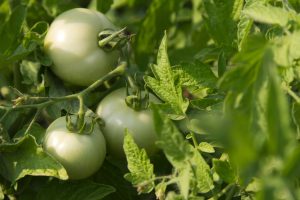
Tomatoes and Peppers in August: Why More Nitrogen Can Mean Fewer Fruits
By August, tomatoes and peppers have usually reached a very different stage from the plants gardeners were managing in May or June. The root systems

The quality of your soil determines how well your crops will grow next season. Before you reach for that bag of fertilizer, take time to understand what’s already in your soil. Winter may seem like an off-season for farming, but it’s actually the perfect window to test and prepare the ground for spring planting. When you test now, you can make accurate fertilizer applications and improve soil health before the cold months settle in. At Supply Solutions LLC, we carry the fertilizers and amendments that make every nutrient count—from Diamond K soluble gypsum to high-quality potash and magnesium sulfate that meet the exact needs revealed by your soil test.
Soil testing in late fall or early winter gives farmers a clear picture of nutrient reserves, pH balance, and organic matter levels before the ground freezes. These results help prevent guesswork during the spring rush. When you test now, you can apply the right amendments—whether it’s calcium to improve structure or potassium to strengthen plant roots—while temperatures are still moderate enough for nutrients to integrate into the soil.
It’s also about timing. Nutrients applied in the cold season have more time to settle and react with soil components, ready for the first growth flush in spring. Without testing, it’s easy to overapply nitrogen or overlook secondary nutrients that limit yield potential.
1. pH and Lime Requirement Test
Soil pH affects how well plants can absorb nutrients. Most crops thrive in slightly acidic soil (pH 6.0 to 7.0). If your soil test shows a lower pH, it may be too acidic, making nutrients less available. To correct this, apply high-solubility gypsum like Diamond K Gypsum to improve calcium levels and balance acidity without drastically changing the soil’s structure. Testing your lime requirement along with pH helps ensure you add just enough to bring the pH into the ideal range for your crop.
2. Macronutrient Levels (N-P-K)
Nitrogen (N), phosphorus (P), and potassium (K) are the building blocks of plant growth. A comprehensive N-P-K test identifies which of these are lacking. Fall is the best time to build up phosphorus and potassium reserves since they move slowly in soil. Potassium fertilizers such as Muriate of Potash (0-0-60) are ideal for late-season application. They enhance root strength, improve winter hardiness, and prepare plants for strong early growth when spring arrives.
3. Secondary Nutrients (Calcium, Magnesium, Sulfur)
Secondary nutrients often make the difference between average and excellent yields. Calcium improves cell structure and helps roots absorb other nutrients. Magnesium, available through Diamond K Magnesium Sulfate, supports photosynthesis even in cool-season crops. Sulfur enhances nitrogen efficiency and improves protein content in grains and forages. Soil testing ensures you maintain a proper balance among these nutrients, preventing lockout effects that can occur when one element dominates the others.
4. Micronutrient Analysis (Zinc, Iron, Manganese, Copper, Boron)
Micronutrients are needed in small quantities but have a huge impact on yield and plant quality. For instance, boron improves fruit set, while zinc aids in root development. A soil test can reveal deficiencies before they show up as visible symptoms. Farmers often overlook these tests, but correcting even minor micronutrient gaps can result in stronger, more uniform crops the following year.
Many of Supply Solutions LLC fertilizers already include micronutrient blends, so matching the right product to your test results simplifies the process.
5. Cation Exchange Capacity (CEC) and Organic Matter Test
CEC measures how well your soil holds nutrients. Soils with low CEC may lose fertilizers quickly through leaching, while high CEC soils retain nutrients longer. By knowing your soil’s capacity, you can plan how frequently to apply nutrients and which fertilizer formulations will stay active in your fields.
Organic matter percentage, on the other hand, shows how well your soil stores moisture and feeds microbial life. If levels are low, apply organic fertilizers or compost during fall cleanup. These improve soil structure and provide a slow, steady nutrient release through winter decomposition.
Once your results are in, compare each nutrient level to your crop’s needs. Focus on balancing nutrients instead of just increasing them. For instance, if potassium levels are high but calcium is low, adding more potash could cause nutrient imbalance. Products like Diamond K Gypsum supply calcium and sulfur to correct the issue without disrupting potassium levels.
Create a nutrient management plan that includes timing, method of application, and expected outcomes. Always record your test results year over year. This helps you identify trends and fine-tune fertilizer rates, saving money while protecting soil health.
Collect 10–15 samples from different parts of each field, mix them, and send them to a certified laboratory. Avoid sampling immediately after fertilization or heavy rainfall to prevent skewed results. Label samples clearly and record field locations for future comparison.
Once your soil data is ready, plan your winter applications before the ground freezes. Use soluble fertilizers like the Diamond K line for efficient nutrient absorption. Apply potash or gypsum during dry conditions to prevent runoff, and consider split applications to reduce nutrient losses during winter rains.
For large operations, integrate fertigation systems for precision delivery. This ensures even distribution and better nutrient uptake for crops planted early in spring.
Winter soil testing is one of the simplest yet most powerful steps to improve next year’s productivity. It helps you make smarter fertilizer choices, avoid waste, and maintain long-term soil health. Farmers, landscapers, and home gardeners alike benefit from understanding what’s beneath the surface before adding anything new.
For fertilizers that match your soil’s unique needs, explore Supply Solutions LLC. You’ll find high-quality products like Diamond K Gypsum, Muriate of Potash, and Magnesium Sulfate designed for efficient, season-appropriate nutrition. Reach us through our contact form, message us on Facebook, call 503-451-1622, or email sales@mysolutionssupply.com to get personalized guidance for your farm or garden today.
By August, tomatoes and peppers have usually reached a very different stage from the plants gardeners were managing in May or June. The root systems

Late summer can be one of the most confusing times to fertilize warm-season turf. Bermudagrass, zoysiagrass, and St. Augustinegrass may still be green and actively
Give us a call or visit our store, and we’ll help you find the right solution for your business.