When a winter storm hits the Pacific Northwest, ice on driveways, walkways, and shop aprons quickly becomes a safety hazard. For many property owners, the first response is to reach for a bag of ice melt.
That is an important safety tool. At the same time, there is a common concern: will this ice melt damage my concrete, pavers, or other hard surfaces
The short answer is that some de icers, if overused or misused, can contribute to surface damage. The good news is that with the right products and habits, you can greatly reduce that risk while still keeping people safe.
In this article we will cover:
- How freeze–thaw cycles and salts affect concrete and pavers
- Differences between common de icing materials
- How products like Traxxion and Ice Slicer fit into a surface conscious strategy
- Practical steps you can take to protect concrete, pavers, and masonry
How winter conditions stress concrete and pavers
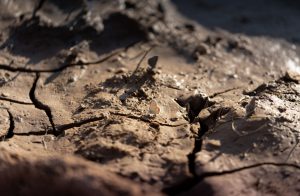
Concrete and most pavers are porous. They absorb water into small pores and capillaries. When temperatures drop below freezing, the water inside these pores can freeze and expand.
Over time, cycles of:
- Water infiltration
- Freezing and expansion
- Thawing and refreezing
can cause:
- Surface scaling or flaking
- Small pits and roughness
- Spalling, where chips break off
De icing salts can intensify this process by:
- Increasing the number of freeze–thaw cycles in a season as surfaces refreeze and thaw more frequently.
- Drawing additional water into the concrete through osmotic effects.
- Corroding steel reinforcements in heavily reinforced structures when used in very large quantities over many years.
Young concrete is especially vulnerable. Newly placed slabs or pavers that have not fully cured and sealed are more likely to show damage if exposed to aggressive de icing practices.
How de icers differ
Not all de icers are the same. Each has a unique profile in terms of:
- Lowest effective temperature
- Speed of melting
- Potential impact on concrete, metals, and vegetation
Common types include:
- Sodium chloride (rock salt)
- Inexpensive and widely available.
- Effective down to around the mid-teens Fahrenheit.
- Can be harsh on vegetation and metals, and may contribute to scaling on some concretes when heavily used.
- Calcium chloride
- Works at lower temperatures than rock salt.
- Releases heat when dissolving, which accelerates melting.
- More expensive and can be aggressive on some surfaces if misused.
- Magnesium chloride and potassium chloride
- Often used in blended products.
- Can have different performance and environmental profiles.
- Blended products and proprietary mixes
- Combine several chlorides and sometimes traction agents to balance performance, cost, and surface impact.
Products such as Traxxion Granular Traction with Ice Melt use a combination of an all organic traction base and a chloride based de icing blend. Ice Slicer style products use naturally mined, multi mineral salt that can perform better than plain rock salt at lower temperatures and with improved characteristics.
The key is not to find a product that is completely neutral. That does not exist. The goal is to choose products that fit your conditions and use them correctly.
Traxxion: combining traction with melting
Traxxion Granular Traction with Ice Melt is designed to solve two problems at once:
- Give you immediate grip underfoot and under tires through its traction granules.
- Melt ice with a blended de icer so you are not just sliding on sand.
The traction component, which includes visible colored granules, tends to stay on the surface and provide grip even after the ice begins to melt. This can allow you to use less de icer overall because traction, not just melting, contributes to safety.
For concrete and pavers, that means:
- You can focus applications only where needed.
- You can often achieve safe footing at lower chemical application rates.
- The visible granules help you avoid overapplication, since you can see where you have already treated.
Always read and follow the label for application rates and any surface specific cautions.
Ice Slicer: powerful melting for tough conditions
Ice Slicer granulated ice melt is designed for fast performance on compacted snow and ice. It is made from naturally sourced salt deposits with a complex mineral profile.
The advantages include:
- Faster melting compared to plain rock salt under many conditions.
- Effective performance at lower temperatures.
- Natural coloring that makes treated areas more visible.
For concrete and pavers, Ice Slicer is best reserved for:
- Severe icing on driveways, loading areas, and high traffic zones.
- Conditions where safety requires aggressive melting action.
Because it is a strong de icer, you should:
- Apply it according to label directions, not “by feel.”
- Sweep up residual material when surfaces are clear.
- Avoid repeated heavy applications on new or decorative concrete.
Best practices to protect concrete and pavers
Regardless of which de icer you use, the way you use it has a huge impact on surface life.
1. Shovel first, de ice second
Mechanical removal always comes before chemical melting.
- Use a quality snow shovel or push plow to remove as much snow and slush as possible.
- In farm or commercial settings, small plows or brooms on equipment can clear large areas quickly.
- The less snow and ice you leave, the less de icer you need.
This not only protects surfaces but also reduces salt exposure for nearby soil and plants.
2. Respect new concrete
New concrete is sensitive. As a rule of thumb:
- Avoid using de icing salts on new concrete for at least the first winter after placement, unless your contractor and local standards say otherwise.
- Use sand or other non corrosive traction materials instead on new slabs and steps.
If you are not sure how old a surface is, or how it was finished, err on the side of caution, especially for decorative work.
3. Use the right amount
More de icer is not better.
- Follow the spread rate on the label. Many products are designed to work at relatively low rates.
- Calibrate your spreader if possible. Use marked cups or a test area to understand how much you apply with a given setting and walking speed.
- Focus on priority zones: entrances, steps, steep sections, and high traffic paths.
Overapplication increases the concentration of salts that reach concrete pore water and the surrounding soil, without improving safety.
4. Do not pile highly salted snow on sensitive surfaces
When you clear snow and slush that contain de icer, avoid piling it:
- Directly on decorative concrete, stone walls, or paver patios.
- On narrow strips of turf or landscaping that are already stressed.
Instead, distribute piles in areas where melting water can drain away without concentrating in one spot.
5. Clean up after the storm
Once temperatures warm and surfaces are clear:
- Sweep or blow residual granules off concrete and pavers.
- Collect excess material where practical, especially in tight spaces.
- Rinse surfaces lightly with water when conditions are suitable, avoiding runoff into storm drains where required by local regulations.
This simple step reduces the amount of salt that continues to interact with the surface and surrounding soils.
Caring for pavers and specialty surfaces
Paver systems and specialty hardscapes can react differently from regular broom finished concrete.
- Interlocking pavers often have joints filled with sand or polymeric material. Repeated heavy salt use can affect joint stability over many seasons.
- Decorative concrete finishes, stamped patterns, and colored surfaces can be more sensitive to scaling and discoloration.
- Natural stone walkways and steps can have their own sensitivities depending on the mineral composition.
For these surfaces:
- Consult the manufacturer or installer regarding recommended de icing practices.
- Use the gentlest effective product and rate.
- Consider traction materials in place of, or in combination with, de icers.
When in doubt, test a small, less visible area before treating large expanses.
Soil and plant health near concrete and pavers
Concrete and paver edges often sit right next to lawns, beds, and tree roots. The same salts that help melt ice can affect these plants if they repeatedly receive salty runoff.
To protect them:
- Choose plant conscious de icers where possible, especially near valuable landscaping.
- Avoid spraying de icers directly into beds or on evergreen foliage.
- In late winter or early spring, inspect plants along paths and drives for signs of salt stress such as browning leaf edges or unusually thin growth.
If you suspect salt damage, you can:
- Rinse affected areas thoroughly when temperatures allow and soils can drain.
- Consider soil testing strips along high exposure areas.
- Work with gypsum and balanced fertilizers, as appropriate, to support soil structure and plant recovery.
Bringing safety and surface care together
Keeping people safe from slips and falls is non negotiable. Hardscape care is about balancing that safety with long term stewardship of your surfaces and soils.
The most effective approach usually includes:
- Prompt snow and slush removal with shovels or equipment.
- Strategic use of traction materials and blended de icers such as Traxxion.
- Targeted deployment of powerful products like Ice Slicer where conditions demand.
- Careful attention to new or decorative concrete and pavers.
- Spring follow up that includes inspection, cleaning, and soil support where needed.
If you manage multiple sites, such as a farm with several yards and a home property, consider developing a simple winter maintenance plan that lists which product to use where. Supply Solutions can help you match ice melt and traction products to each surface and exposure.
Supply Solutions, LLC – Fertilizer, Agricultural & Safety Solutions
Phone: 503-451-1622
Email: sales@mysolutionssupply.com
Hours: Monday to Friday, 7:00 a.m. to 5:00 p.m.
Web: www.mysolutionssupply.com
We supply Traxxion ice melt with traction, Ice Slicer granules, gypsum, fertilizers, and safety gear to help Pacific Northwest homeowners, farms, and commercial sites protect both people and the surfaces they walk on.