
Uncategorized
Potassium Versus Nitrogen: What Fruiting Crops Need Now
June is when many fruiting crops begin asking a different question. In spring, the question was often whether the plant could get established. Could the
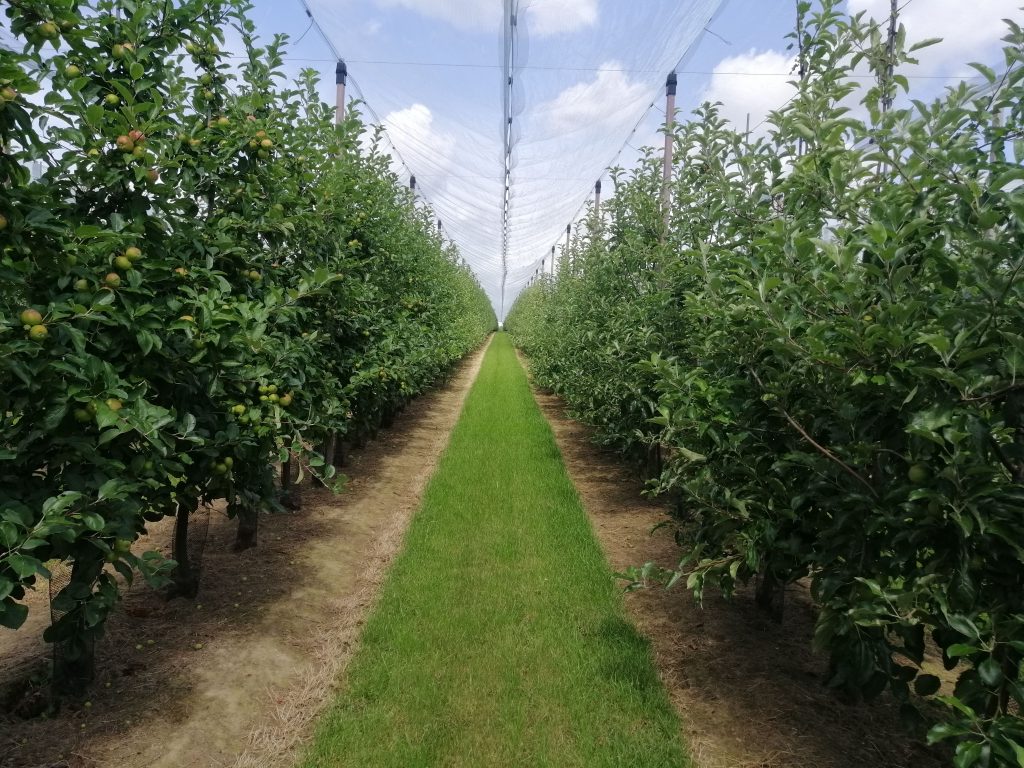
June is when many fruiting crops begin asking a different question.
In spring, the question was often whether the plant could get established. Could the tomato recover from transplanting? Could the pepper root into warm soil? Could cucumber and squash seedlings survive cool nights and spring rain? Could melons begin running? Could beans climb? Could berries finish bloom and hold fruit? Could fruit trees push leaves and set a crop?
By June, the question changes.
Now the plant has to carry something.
Tomatoes are setting clusters. Peppers are forming fruit. Cucumbers are being picked. Squash plants are blooming hard. Melons and pumpkins are running. Beans are flowering. Eggplant is sizing fruit. Strawberries, blueberries, raspberries, blackberries, grapes, and orchard fruit are moving through sizing or harvest depending on region and variety.
At this stage, growers often reach for more nitrogen because nitrogen makes plants look greener fast. That quick response can be tempting. But fruiting crops do not need nitrogen to dominate the program once they move into production. They still need some nitrogen, but they also need potassium, calcium, magnesium, water consistency, root function, and balanced growth.
A fruiting crop that receives too much nitrogen at the wrong time may grow more leaves but not necessarily more usable fruit. It may become lush, soft, and water-hungry. It may shade its own flowers. It may delay fruiting balance. It may become harder to manage in humid weather. Meanwhile, the potassium demand that supports fruit sizing, water regulation, plant strength, and stress tolerance may be overlooked.
That is why June is the time to compare potassium and nitrogen honestly.
Nitrogen builds leaves and shoots. Potassium helps the plant manage fruit load, water movement, heat stress, and productive function. Both matter. The mistake is using nitrogen as the answer to every midseason problem when the crop is clearly shifting into fruiting.
For June fruiting crops, three Supply Solutions products fit this conversation especially well: Sulfate Of Potash 0-0-50, 7-0-26 Organic Fertilizer, and KMS 0-0-21.5 Potassium Magnesium Sulfate. Sulfate Of Potash fits when potassium is needed without additional nitrogen. 7-0-26 fits when potassium is the priority but modest nitrogen still makes sense. KMS fits when potassium, magnesium, and sulfur are needed together without a nitrogen push.
The right choice depends on the crop, the stage, the soil, and what the plant is already doing.
A young plant uses fertility differently than a fruiting plant.
Early in the season, transplants and seedlings need enough nutrition to build roots, leaves, and stems. Nitrogen is important during that phase because the plant needs green tissue. Without enough leaf area, the plant cannot capture sunlight well. Without enough vegetative structure, it cannot support flowers and fruit later.
But once flowering and fruit set begin, the crop’s demand changes.
Leaves are no longer the only priority. Fruit becomes a strong nutrient and water sink. The plant must move sugars, regulate water, maintain leaf function, support roots, and keep enough energy flowing into developing fruit. Potassium becomes more important because it helps many of those processes work.
This is especially noticeable in fast crops.
Cucumbers can go from small transplants to daily harvests quickly. Summer squash can produce fruit almost faster than the grower can pick. Tomatoes may be carrying flowers, green fruit, and new growth at the same time. Peppers may be slower, but once fruit set begins, potassium demand increases. Melons and pumpkins need strong vines, but fruit sizing becomes the long-term goal. Beans need enough leaf and root function to keep flowering and filling pods.
June feeding should respect that shift.
If the plant is still small and pale, nitrogen may still be needed. But if the plant is established, green, and moving into fruiting, potassium often deserves more attention than another nitrogen push.
Nitrogen supports chlorophyll, leaf growth, shoot development, and overall vegetative vigor.
A plant short on nitrogen may look pale, slow, and weak. Older leaves may yellow first. Growth may stall. Stems may stay thin. Fruit production may suffer because the plant does not have enough leaf area to support a crop.
That is why nitrogen cannot be ignored.
Tomatoes, peppers, cucumbers, squash, melons, pumpkins, beans, berries, grapes, and fruit trees all need some nitrogen. A starving plant will not produce well simply because potassium is applied. Nitrogen is part of the foundation.
The problem is excess.
Too much nitrogen after fruiting begins can shift the plant back toward leaf and shoot growth. Tomatoes may grow dense foliage while fruit set slows. Peppers may become leafy and slower to flower. Cucumbers and squash may grow vines aggressively but still struggle if pollination, potassium, or water are limiting. Melons may create excessive vine growth that is hard to manage. Fruit trees may push soft shoots instead of balancing crop load and canopy.
Nitrogen also increases water demand because more foliage means more transpiration. In June heat, that can make plants more vulnerable if irrigation is inconsistent.
The practical question is not whether nitrogen is good or bad. It is whether the crop needs more nitrogen right now.
Potassium supports the productive side of the plant.
It helps regulate water movement, supports carbohydrate transport, contributes to fruit development, improves stress tolerance, and helps maintain plant strength. It does not create the quick green response that nitrogen does, but it helps the plant carry fruit through heat and moisture stress.
In June, that matters.
A fruiting crop is not just trying to look green. It is trying to fill fruit, keep leaves functioning, move water, and stay productive under summer conditions. Potassium helps that happen.
Potassium demand often becomes more noticeable as fruit load increases. A plant may look fine during early vegetative growth, then begin showing weakness once fruiting begins. Older leaves may show marginal yellowing or browning. Plants may wilt faster during hot afternoons. Fruit sizing may feel uneven. Production may fade after the first flush. Stems may seem weaker than expected. The crop may look like it has lost momentum.
These symptoms are not always potassium deficiency by themselves. Water stress, root problems, disease, heat, and crop load can look similar. But potassium should be part of the June review because fruiting crops use it heavily.
A grower who keeps applying nitrogen while ignoring potassium may create a bigger plant without creating a stronger crop.
Sulfate Of Potash 0-0-50 fits June fruiting crops when potassium is the clear need and additional nitrogen is not wanted.
This is an important distinction. Many fruiting crops in June already have enough nitrogen from compost, earlier fertilizer, manure history, soil organic matter, or prior applications. They may be green and vigorous. What they need now is potassium support for fruiting and stress tolerance, not more leaf growth.
The problem Sulfate Of Potash helps solve is potassium demand during flowering, fruit set, fruit sizing, and heat stress without adding nitrogen. It supports tomatoes, peppers, cucumbers, squash, melons, pumpkins, beans, berries, grapes, fruit trees, flowering plants, and other crops where potassium needs rise during production.
The timing is June once crops are established and shifting into fruiting or heavy bloom. It should be applied when roots are active and soil moisture is adequate. Water it into the root zone according to directions.
The caution is concentration. A 0-0-50 fertilizer is strong. More potassium is not automatically better. Overapplication can create nutrient imbalance, especially with calcium and magnesium relationships. That matters in fruiting crops because calcium movement affects fruit quality, and magnesium supports leaf function. Sulfate Of Potash should be used where potassium is actually needed, not as a blind routine.
Sulfate Of Potash is the clean choice when the crop needs potassium support and nitrogen restraint.
7-0-26 Organic Fertilizer fits a different June situation.
Some fruiting crops still need a little nitrogen while potassium becomes the priority. They may be established and beginning fruiting, but still building enough canopy to support the crop. They may be in raised beds where nutrients have leached after spring watering. They may be in organic systems where growers want a potassium-forward product with modest nitrogen.
The problem 7-0-26 helps solve is the transition from vegetative growth into production. It supports potassium demand for fruiting, water regulation, and stress tolerance while still providing some nitrogen for ongoing growth.
The timing is June when tomatoes, peppers, cucumbers, squash, melons, pumpkins, beans, and flowering crops are rooted, active, and beginning to carry flowers or fruit. It is especially useful in raised beds, gardens, small farm plots, and organic fertility programs where potassium support is needed but the plant should not be starved of nitrogen.
The caution is that 7-0-26 still contains nitrogen. That nitrogen can be helpful, but it should be counted. If plants are already dark green, leafy, and slow to fruit, even modest nitrogen may not be the right move immediately. If the plant needs potassium without more nitrogen, Sulfate Of Potash may be the better fit.
7-0-26 is useful when the grower wants to shift toward potassium without cutting nitrogen out entirely.
KMS 0-0-21.5 Potassium Magnesium Sulfate fits fruiting crops that need potassium, magnesium, and sulfur support without nitrogen.
This is valuable in June because fruiting crops rely on leaf function while fruit is developing. Magnesium supports chlorophyll and photosynthesis. Sulfur supports plant metabolism and nutrient processes. Potassium supports water regulation, fruiting, and stress tolerance.
The problem KMS helps solve is a combined need for potassium, magnesium, and sulfur during fruiting and heat stress. It is useful where plants show signs of weak leaf function, where soil tests indicate potassium and magnesium need support, where sandy soils or frequent irrigation may have reduced nutrient availability, or where fruiting crops need stronger summer resilience without more nitrogen.
The timing is June during active growth, flowering, fruit sizing, or early harvest. It fits tomatoes, peppers, cucumbers, squash, melons, pumpkins, berries, fruit trees, grapes, lawns adjacent to edible landscapes, and ornamental fruiting or flowering plants where potassium and magnesium are both needed.
The caution is that KMS is not a complete fertilizer. It does not supply nitrogen or phosphorus. If the crop is generally underfed and pale from nitrogen shortage, KMS alone will not fully correct the problem. It also should not be applied blindly where magnesium is already high. Soil testing and plant observation should guide use.
KMS is a strong June product when fruiting crops need better leaf function and potassium support without encouraging more soft growth.
Potassium matters more during fruiting, but nitrogen does not disappear from the program.
A fruiting crop with too little nitrogen cannot maintain enough leaf area to feed fruit. If leaves are pale, growth is weak, and older foliage is yellowing evenly, nitrogen may be short. A plant that never built enough canopy may not have the photosynthetic strength to support a heavy crop. In sandy soils, nitrogen can leach after heavy rain. In raised beds and containers, frequent watering can remove available nitrogen quickly.
Nitrogen may still be needed when:
In those cases, a potassium-only product may not be enough. 7-0-26 may fit when the crop needs potassium plus modest nitrogen. If a stronger nitrogen correction is needed, another nitrogen product may be more appropriate, depending on the crop and soil test.
The point is not to avoid nitrogen. The point is to avoid using nitrogen as the automatic answer when the crop has clearly moved into fruiting.
There are also times when nitrogen should be held back.
A plant that is already lush, dark green, and leafy may not need more. A tomato with heavy foliage but poor fruit set should not automatically receive more nitrogen. A pepper that is growing leaves but dropping blossoms may need water consistency, potassium, calcium movement, or heat management more than nitrogen. A melon vine running aggressively but slow to set fruit may not benefit from more vegetative push.
Nitrogen restraint is especially important in warm, humid conditions where dense foliage reduces airflow. Lush growth can increase disease pressure by keeping leaves wet longer. Dense canopies also make scouting harder and can shade flowers and fruit.
This is where Sulfate Of Potash and KMS fit well. They support potassium needs without adding nitrogen. Sulfate Of Potash is best when potassium is the main need. KMS is best when potassium, magnesium, and sulfur are needed together.
A fruiting crop should be vigorous, not rank.
Tomatoes often show the potassium-versus-nitrogen issue clearly.
Early in the season, a tomato needs enough nitrogen to build stems and leaves. Once clusters are flowering and fruit are forming, potassium demand increases. The plant is now supporting new growth, flowers, green fruit, and future clusters at the same time.
If nitrogen dominates the program, tomatoes may become overly leafy. They may look impressive but set fruit unevenly. Dense foliage can reduce airflow and increase disease pressure. The plant may use more water and become harder to manage in heat.
For tomatoes that are established, green, and fruiting, Sulfate Of Potash fits where potassium is needed without more nitrogen. 7-0-26 fits where potassium is needed but modest nitrogen still makes sense, especially in raised beds or organic programs. KMS fits where potassium, magnesium, and sulfur are needed together for fruiting and leaf function.
Water consistency also matters. Potassium supports tomato performance, but it cannot overcome repeated dry-down, waterlogged roots, or calcium movement problems by itself.
Peppers are slower and more sensitive than many gardeners expect.
They need warmth, moisture consistency, and balanced feeding. Too much nitrogen can produce leafy plants that do not set fruit well. Too little fertility can leave plants small and slow. Once peppers begin flowering and fruiting, potassium becomes important for fruit development, water regulation, and heat tolerance.
For peppers that are green and beginning to fruit, 7-0-26 often fits well because it provides potassium with modest nitrogen. This helps support continued growth without pushing too hard.
For peppers that are already vigorous and need potassium without more nitrogen, Sulfate Of Potash may be better.
For peppers showing weak leaf function or where magnesium and sulfur are also needed, KMS can fit.
Peppers also depend heavily on water consistency. Blossom drop, fruit stall, and blossom end rot can come from moisture swings and heat stress. Fertility should support the plant, but it cannot remove the need for steady root-zone moisture.
Cucumbers and squash are fast-moving crops.
Once they begin producing, harvest can come every day or every few days. That level of production requires water and potassium. Large leaves pull moisture quickly. Fruit develops rapidly. Vines continue growing while flowers and fruit are forming.
Nitrogen is still needed, but too much can create excessive vine growth without solving fruiting problems. If pollination is poor, more nitrogen will not fix misshapen fruit. If potassium is short, production may fade after the first flush. If water is inconsistent, cucumbers may become bitter or misshapen, and squash may abort fruit.
7-0-26 fits cucumbers and squash well once flowering and fruiting begin because it supports potassium with modest nitrogen.
Sulfate Of Potash fits where potassium is needed but the vines are already lush enough.
KMS fits where potassium, magnesium, and sulfur support are needed to keep large leaves functioning through heat and fruit load.
Cucumbers and squash can outrun a weak fertility program quickly. June is the time to support them before production drops.
Melons and pumpkins need strong vines, but vines are not the final goal.
The crop has to set fruit and size it. Once fruit begins developing, potassium becomes increasingly important. Potassium supports water movement, sugar transport, fruit development, and stress tolerance. Nitrogen remains useful for maintaining vine health, but excess nitrogen can delay fruiting balance and create too much vegetative growth.
For melons and pumpkins that are still establishing vines but beginning flowering, 7-0-26 can fit because it supplies potassium with modest nitrogen.
For vines that are already large and moving into fruit sizing, Sulfate Of Potash can support potassium without encouraging more vine growth.
For sandy soils, leaching-prone beds, or plants needing magnesium support, KMS may fit better.
Melons and pumpkins also need pollination, space, and steady water. Fertilizer alone cannot fix poor pollination or drought stress during fruit sizing. Potassium works best when roots have consistent moisture.
Beans are different from many fruiting crops because they can work with nitrogen-fixing bacteria when conditions are right.
That does not mean beans need no fertility, but it does mean heavy nitrogen is often not the answer. Too much nitrogen can push foliage while reducing the plant’s balance toward flowering and pod production. Beans need potassium, phosphorus where appropriate, good root conditions, and steady moisture.
In June, beans may be flowering and filling pods. Potassium supports plant function, water regulation, and pod development. If beans are lush but not flowering well, more nitrogen is not likely to help. If plants are pale and weak, root conditions, inoculation, soil fertility, pH, and moisture should be reviewed.
Sulfate Of Potash fits beans where potassium is needed without nitrogen. KMS fits where potassium, magnesium, and sulfur are needed. 7-0-26 can fit certain mixed beds where modest nitrogen is acceptable, but use restraint with beans that are already vegetative.
Beans remind growers that fruiting and pod crops often need balance more than leaf push.
Berries depend heavily on potassium during fruit development.
Strawberries, blueberries, raspberries, blackberries, and grapes all need strong leaf function and steady water as fruit sizes and ripens. Nitrogen can support growth, but too much nitrogen during fruiting can create soft growth, reduce balance, and increase management problems.
Potassium supports fruit development, water regulation, and stress tolerance. Magnesium may matter where leaves are expected to feed fruit through hot weather. Sulfur can support plant metabolism.
For berries that need potassium without nitrogen, Sulfate Of Potash fits well. For berries that need potassium, magnesium, and sulfur together, KMS may be more appropriate. 7-0-26 can fit certain berry systems where modest nitrogen and potassium both make sense, especially outside peak fruiting or where plants need continued growth support.
Blueberries need special care because pH and nutrient form matter. Soil testing and crop-specific management should guide feeding. Do not treat all berries as if they have identical fertility needs.
Fruit trees in June may be sizing fruit while also pushing shoots.
If nitrogen is overapplied, trees may respond with strong vegetative growth. That can create shade, reduce airflow, increase pruning needs, and compete with fruit development. Young trees may need some nitrogen for canopy building, but bearing trees often need more careful balance during fruit sizing.
Potassium supports fruit development and stress tolerance. Magnesium supports leaf function. Sulfur supports plant metabolism. Calcium movement and water consistency also matter for fruit quality.
Sulfate Of Potash fits fruit trees where potassium is needed without more nitrogen. KMS fits where potassium and magnesium are both needed. 7-0-26 may fit younger or moderately growing fruit plantings where modest nitrogen is still useful alongside potassium.
Tree age matters. Crop load matters. Soil test results matter. A young apple tree with little fruit has different needs than a mature peach tree carrying a crop. Fertility should follow tree stage, not just the month.
Raised beds commonly start strong and fade in June.
Compost and spring fertilizer may support early growth, but frequent watering and active crops can draw down nutrients quickly. Fruiting crops in raised beds often begin needing potassium just as nitrogen-heavy spring fertility is running out or becoming unbalanced.
This is where product choice matters.
If the raised bed is generally depleted and plants are pale, a balanced feeding may be needed first. But if the plants are established, green, and fruiting, potassium-forward products usually fit better.
7-0-26 is often a strong raised-bed choice because it supports potassium with modest nitrogen. Sulfate Of Potash fits beds where crops are lush enough and need potassium without nitrogen. KMS fits beds where magnesium and sulfur are also part of the need.
Raised beds dry faster than in-ground soil, so water consistency is critical. A potassium application cannot perform well if the bed dries hard every few days.
Container fruiting crops are especially sensitive to overfeeding.
Tomatoes, peppers, strawberries, citrus, blueberries, figs, and patio vegetables in containers have limited root volume. Watering is frequent. Nutrients leach quickly. At the same time, concentrated fertilizer can build salts or burn roots if applied too heavily.
In containers, the potassium-versus-nitrogen decision is still important, but rates and timing need extra care.
If the container plant is pale and generally underfed, a balanced or gentle feeding may be needed. If it is green and fruiting, potassium support may be more appropriate than more nitrogen.
Sulfate Of Potash can support potassium needs without nitrogen, but because it is concentrated, it must be used carefully in containers. 7-0-26 can fit where potassium and modest nitrogen are both needed, but small containers require restraint. KMS can fit where potassium, magnesium, and sulfur are needed, but container rates should be measured carefully.
Never feed a dry, wilted container first. Water, let the plant recover, then feed.
Potassium supports water regulation inside the plant, but potassium still needs water to reach the roots.
A dry soil will not move nutrients well. A saturated soil will not let roots function properly. A raised bed that swings from dry to soaked will produce uneven uptake. A container that wilts every afternoon will not use fertilizer consistently. A clay soil that sheds water will create uneven response. A sandy soil that leaches after heavy irrigation may lose nutrients faster.
Before applying any potassium product, check moisture.
Sulfate Of Potash, 7-0-26, and KMS all perform best when roots are active and the soil can receive the application.
Water products in according to directions. Do not place concentrated fertilizer against stems or crowns. Pull mulch back so products reach the soil. Avoid applying before heavy storms that may cause runoff or leaching. Avoid feeding plants that are severely wilted or sitting in saturated soil.
Potassium is valuable, but timing and moisture decide how much value the plant receives.
June heat can make plants look hungry.
Leaves may wilt. Flowers may drop. Fruit may stall. Older leaves may yellow. Growth may slow during hot afternoons. A grower may assume the crop needs more fertilizer, but heat and water stress may be the real cause.
A plant under heat stress is not always underfed.
If roots are dry, water first. If soil is saturated, wait for oxygen. If temperatures are too high for pollination, fertilizer will not set fruit. If flowers are dropping because nights are hot, nitrogen or potassium will not fully solve it. If squash fruit aborts because pollination failed, more fertilizer is not the answer.
Fertility supports the plant’s ability to handle stress, but it does not eliminate weather.
Potassium from Sulfate Of Potash, 7-0-26, or KMS can help support stress tolerance when potassium is needed. But the grower still has to manage mulch, irrigation, airflow, crop load, and timing.
Do not feed harder when the plant is asking for better conditions.
Potassium is important, but more is not always better.
Excess potassium can affect calcium and magnesium relationships in the root zone. That matters for fruiting crops because calcium movement supports fruit quality and magnesium supports leaf function. A grower who applies high potassium repeatedly without testing can create a new problem while trying to solve another.
This is especially important in raised beds, containers, and long-term garden soils.
These systems can accumulate nutrients over time. Compost, manure, organic fertilizers, soluble feeds, and amendments all add to the nutrient history. A bed may be high in phosphorus but low in potassium. Another may be high in potassium but low in magnesium. Another may have nutrients present but pH or moisture problems limiting uptake.
Use soil testing where possible.
Sulfate Of Potash is strong and should be used where potassium is needed. 7-0-26 supplies potassium plus modest nitrogen and should still be counted. KMS supplies potassium, magnesium, and sulfur and should fit the soil’s actual nutrient balance.
Balanced fertility is not about applying every nutrient. It is about supplying the limiting nutrient without creating another limitation.
A fruiting crop gives useful signals.
If the plant is pale, thin, and slow before it has enough canopy, nitrogen may still be needed. If it is green, leafy, and slow to set fruit, nitrogen should likely be limited. If older leaves show edge burn or plants struggle under fruit load, potassium deserves attention. If older leaves show yellowing between veins, magnesium may be involved. If fruit quality problems appear, calcium and water consistency should be reviewed. If the plant wilts daily, water and root volume come before fertilizer.
Then look at the soil.
Sandy soil may have lost nutrients after rain. Clay soil may have nutrients but poor root access. Raised beds may have leached under frequent watering. Containers may be depleted or salt-stressed. Compost-rich beds may already have enough nitrogen. High-pH soils may limit nutrient availability.
Then choose the product.
Use Sulfate Of Potash when potassium is needed and nitrogen should be avoided.
Use 7-0-26 when potassium is the priority but modest nitrogen still fits the crop’s stage.
Use KMS when potassium, magnesium, and sulfur are needed together without nitrogen.
The plant should guide the product, not the other way around.
Start with crop stage.
Is the crop vegetative, flowering, setting fruit, sizing fruit, or already in harvest? A young cucumber transplant and a producing cucumber vine should not be fed the same way. A tomato before first bloom and a tomato carrying three fruit clusters are in different stages.
Then check vigor.
Is the plant pale and weak, or dark green and leafy? Is it flowering? Is fruit setting? Is fruit sizing? Are leaves functional? Is growth balanced or excessive?
Then check water.
Is the root zone evenly moist? Does the bed dry quickly? Is the container wilting? Is mulch in place? Is water running off? Did heavy rain leach nutrients? Are roots sitting in saturated soil?
Then choose the potassium-nitrogen balance.
Use Sulfate Of Potash 0-0-50 where fruiting crops need potassium support for fruit development, water regulation, and stress tolerance without added nitrogen.
Use 7-0-26 Organic Fertilizer where crops need strong potassium support with modest nitrogen during the transition from growth into production.
Use KMS 0-0-21.5 Potassium Magnesium Sulfate where potassium, magnesium, and sulfur are needed to support fruiting, leaf function, and summer stress tolerance without nitrogen.
Apply to moist soil, keep fertilizer away from stems, water it in properly, and watch new growth and fruit response.
June fruiting crops need a different kind of attention than spring transplants.
The grower is no longer simply building a plant. The grower is supporting production. Leaves still matter, but leaves are there to feed flowers and fruit. Nitrogen still matters, but it should not dominate every decision. Potassium becomes more important because fruiting crops need water regulation, fruit development, plant strength, and stress tolerance as summer pressure builds.
A strong June fertility program does not starve the plant, and it does not push it blindly.
It reads the stage. It checks moisture. It considers soil history. It watches whether the plant is leafy, pale, fruiting, stressed, or balanced. Then it chooses the right potassium and nitrogen relationship for that moment.
Supply Solutions offers practical products for this midseason shift. Sulfate Of Potash 0-0-50 fits fruiting crops that need potassium without more nitrogen. 7-0-26 Organic Fertilizer fits crops moving into production that need potassium support with modest nitrogen. KMS 0-0-21.5 Potassium Magnesium Sulfate fits fruiting crops that need potassium, magnesium, and sulfur support for leaf function, water regulation, and heat resilience without a nitrogen push. Used with steady watering, soil testing, mulch, and crop-stage awareness, these products help farmers, gardeners, landscapers, and small growers feed for fruit instead of only feeding for foliage. Contact Supply Solutions for help choosing the right potassium and nitrogen balance for tomatoes, peppers, cucumbers, squash, melons, berries, fruit trees, raised beds, containers, or small farm production.
June is when many fruiting crops begin asking a different question. In spring, the question was often whether the plant could get established. Could the

Pale new growth gets attention fast. A plant may look healthy from a distance, but when the newest leaves come out light green, yellow, striped,
Give us a call or visit our store, and we’ll help you find the right solution for your business.
© Supply Solutions LLC 2026