
Uncategorized
Calcium And Potassium Balance In Tomatoes, Peppers, And Melons
Tomatoes, peppers, and melons are three crops that make nutrient balance visible. They can look strong early in the season, then begin showing problems once
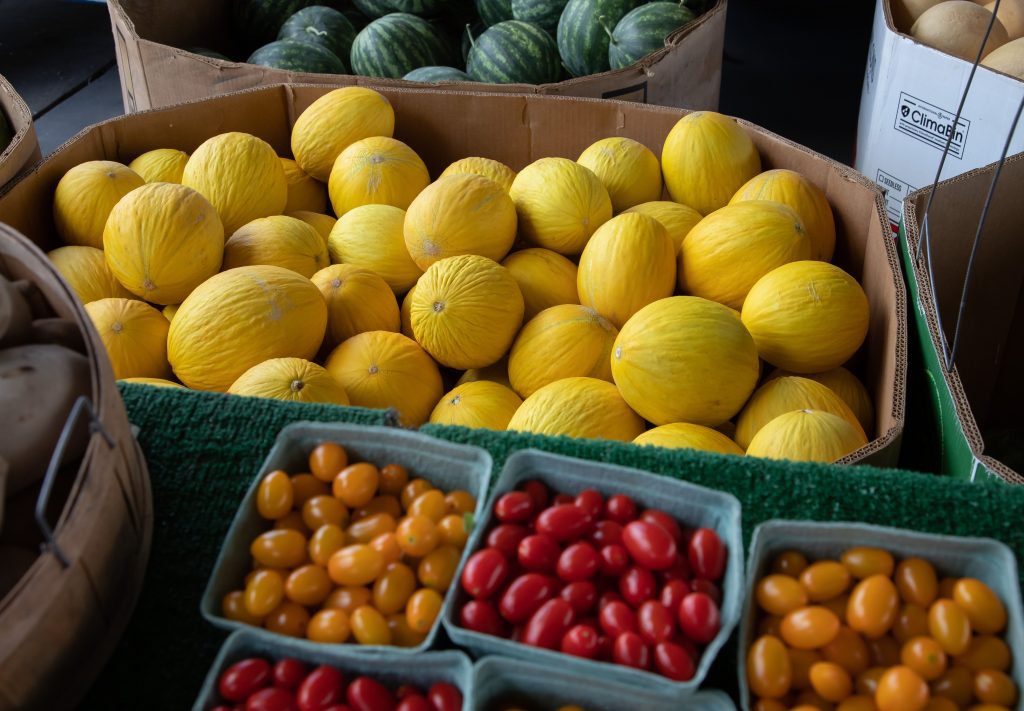
Tomatoes, peppers, and melons are three crops that make nutrient balance visible.
They can look strong early in the season, then begin showing problems once fruit starts forming. A tomato plant may have dark green leaves and still develop blossom end rot. A pepper plant may flower well and then drop blossoms or show soft fruit problems. A melon vine may run aggressively but struggle to size fruit evenly once heat arrives. In each case, the plant may not be short on overall growth. It may be out of balance for the stage it has entered.
June is when that balance starts to matter more.
During establishment, the plant’s main job is building roots, stems, and leaves. Nitrogen plays a large role in that early growth. Once the crop starts flowering and setting fruit, the plant’s priorities shift. Calcium becomes important for fruit structure and cell wall strength. Potassium becomes important for water regulation, fruit development, sugar movement, plant strength, and heat tolerance. Magnesium supports the leaves that feed the crop. Sulfur supports plant processes. Water decides whether calcium and potassium can move where they are needed.
This is why simply feeding harder is not the answer.
A tomato with blossom end rot does not always need more fertilizer overall. It may need steadier water and better calcium movement. A pepper that is slow to set fruit may not need more nitrogen. It may need less stress, better potassium support, and more consistent root-zone moisture. A melon vine with plenty of leaves may not need another vegetative push. It may need potassium support before fruit sizing becomes heavy.
Calcium and potassium are both essential, but they behave differently.
Calcium is relatively immobile in the plant. It moves with water through the roots and into growing tissues. If water movement is interrupted, developing fruit may not receive enough calcium even when the soil contains calcium. Potassium is more mobile and supports many active plant functions, especially under fruit load and heat. But too much potassium applied without regard for calcium and magnesium can create imbalance in the root zone.
The goal is not choosing calcium over potassium or potassium over calcium.
The goal is matching both nutrients to crop stage, soil condition, water pattern, and plant demand.
For this June topic, three Supply Solutions products fit naturally: Calcium Nitrate 15.5-0-0 + 19% Ca, Sulfate Of Potash 0-0-50, and KMS 0-0-21.5 Potassium Magnesium Sulfate. Calcium Nitrate fits fruiting crops that need soluble calcium and nitrate nitrogen during active growth. Sulfate Of Potash fits when potassium is needed without adding nitrogen. KMS fits when potassium, magnesium, and sulfur are needed together without a nitrogen push.
Used correctly, these products help growers support fruit quality, leaf function, and heat resilience without forcing the crop into soft, unbalanced growth.
Nutrient problems in fruiting crops are often discussed one nutrient at a time.
Blossom end rot becomes a calcium conversation. Poor fruit sizing becomes a potassium conversation. Yellow leaves become a nitrogen or magnesium conversation. Weak vines become a nitrogen conversation. But in the field, garden, greenhouse, or raised bed, the plant is not working one nutrient at a time.
The plant is trying to coordinate roots, leaves, water, fruit, and weather.
A tomato fruit needs calcium for tissue strength, but it also needs potassium for fruit development and water regulation. A pepper needs potassium to support fruit load, but it also needs calcium movement to avoid quality problems. A melon needs potassium during fruit sizing, but the leaves feeding that fruit need magnesium and steady moisture. Nitrogen is still needed, but excessive nitrogen can shift the plant toward soft vegetative growth at the wrong time.
This is why balance matters.
A heavy calcium application cannot fix a dry root zone. A heavy potassium application cannot fix calcium movement if irrigation swings continue. A nitrogen push cannot correct a crop that is already too leafy. A magnesium-support product cannot replace potassium if fruit load is high. A complete-looking plant may still be weak if one nutrient or one water pattern is limiting.
June management should focus on what the crop is doing now, not what it needed at planting.
Calcium helps build strong cell walls and supports growing tissue.
In fruiting crops, that matters because fruit expands quickly. Young fruit cells divide and enlarge. If calcium delivery is weak during that early development, problems can appear later as fruit expands. Blossom end rot in tomatoes and peppers is the most familiar example, but calcium movement affects broader fruit quality as well.
The problem is that calcium does not move freely inside the plant after it is placed.
Leaves often receive calcium more readily because they transpire strongly. Developing fruit may receive less, especially during moisture swings. If the root zone dries out, calcium uptake slows. If roots are waterlogged, uptake slows. If the plant is pushed into excessive leafy growth, leaves may compete strongly for water flow. If soil moisture is uneven, fruit calcium delivery becomes uneven.
This is why calcium problems can show up even in soils that are not truly calcium deficient.
The issue is often calcium movement, not calcium presence alone.
Calcium Nitrate 15.5-0-0 + 19% Ca fits this stage because it supplies soluble calcium along with nitrate nitrogen. It is useful when tomatoes, peppers, melons, and other fruiting crops need calcium support during active growth and fruit development.
The timing is before widespread symptoms appear. Calcium support works best preventively or early, while future fruit are still developing.
Potassium becomes more important as tomatoes, peppers, and melons begin carrying fruit.
It supports water regulation inside the plant, helps move sugars and carbohydrates, contributes to fruit development, supports plant strength, and improves tolerance to heat and moisture stress. These functions become more important as June shifts toward July.
A crop short on potassium may not always show dramatic symptoms right away.
The plant may simply lose momentum. Older leaves may show edge yellowing or browning. Fruit sizing may slow. Plants may wilt more easily in heat. Production may fade after the first flush. Melon vines may look large but struggle to support fruit sizing. Tomatoes may continue growing leaves but not carry fruit as well as expected.
Potassium is not a bloom stimulant in a simple sense. It is a functional nutrient for plants under production demand.
Sulfate Of Potash 0-0-50 fits when potassium is needed without adding nitrogen. That matters in June because many tomatoes, peppers, and melons are already green enough. They need fruiting and stress support, not another nitrogen push.
The timing is when crops are established and entering flowering, fruit set, or fruit sizing. It should be applied to moist soil and watered into the active root zone.
The caution is balance. Sulfate Of Potash is a concentrated potassium source. Use it where potassium is needed, and avoid overapplication that could interfere with calcium or magnesium relationships.
Magnesium often enters the conversation when older leaves begin yellowing between the veins.
That symptom can appear in tomatoes, peppers, melons, and other crops as June demand rises. Magnesium supports chlorophyll and leaf function. Since leaves are the factory feeding fruit, weak magnesium status can reduce the plant’s ability to support production.
A melon vine carrying fruit needs leaves that can keep producing sugars. A tomato plant with several clusters needs strong lower and middle leaves. A pepper plant needs enough healthy leaf area to protect fruit and support continued flowering. If magnesium is short, the plant may still grow, but leaf function may become less efficient.
This is where KMS 0-0-21.5 Potassium Magnesium Sulfate fits.
KMS supplies potassium, magnesium, and sulfur without nitrogen. The potassium supports water regulation and fruiting. The magnesium supports chlorophyll and leaf function. The sulfur supports plant metabolism.
The problem KMS helps solve is a combined need for potassium, magnesium, and sulfur during fruiting and heat stress. It is useful when the crop needs stress and leaf support without more nitrogen.
The timing is June before severe heat and heavy fruit load expose nutrient weakness. It fits tomatoes, peppers, melons, raised beds, field plots, greenhouse crops, and container systems where potassium and magnesium are both needed.
Tomatoes make calcium problems visible.
Blossom end rot usually appears as a dark, sunken area at the blossom end of the fruit. By the time the grower sees it, that fruit is already damaged. The better goal is to protect future fruit by improving calcium supply, calcium movement, and water consistency before the problem becomes widespread.
Calcium Nitrate fits tomatoes when soluble calcium and nitrate nitrogen are needed during flowering, fruit set, and early fruit sizing.
The timing is June when plants are established and early fruit are forming. This is often when calcium demand increases and irrigation mistakes become more obvious. Calcium Nitrate can support the plant during this active stage, but it should not be treated as a cure for fruit that is already damaged.
The caution is nitrogen.
Tomatoes that are already dark green, dense, and leafy should not be pushed hard with extra nitrogen. Calcium Nitrate supplies nitrate nitrogen along with calcium, so the grower should consider the whole fertility program. If the plant needs calcium but not much nitrogen, rates and timing need care.
Water consistency remains essential. A tomato plant that dries hard between waterings may still show blossom end rot even if calcium is applied. The root zone must stay evenly moist enough for calcium to move.
Once tomatoes carry multiple clusters, potassium demand rises.
The plant is supporting leaves, flowers, green fruit, expanding fruit, and new growth at the same time. Potassium helps regulate water and supports fruit development. A tomato plant that received plenty of nitrogen early may still need potassium support as production begins.
Sulfate Of Potash fits tomatoes when potassium is needed without additional nitrogen. This is useful when plants are vigorous and fruiting but need production support rather than more foliage.
KMS fits tomatoes when potassium and magnesium are both needed. This may be appropriate if older leaves show magnesium-like yellowing, if soil tests suggest magnesium need, or if the crop is entering heat with a heavy leaf and fruit load.
The key is not to overcorrect.
Too much potassium can affect calcium and magnesium balance. Too much nitrogen can push foliage and increase water demand. Too little water can interrupt calcium movement. Tomatoes need a coordinated program, not a single nutrient reaction.
A strong tomato plant in June should be productive, not just large.
Peppers often respond poorly to extremes.
They dislike cold soil early, moisture swings later, and heavy nitrogen at the wrong time. Once they begin flowering and setting fruit, they need steady support. Calcium matters for fruit quality, while potassium supports fruit development, water regulation, and heat tolerance.
Calcium Nitrate fits peppers where soluble calcium and nitrate nitrogen support are needed during active growth and early fruit development. This can be useful before blossom end rot or other calcium-related fruit quality problems appear.
Sulfate Of Potash fits peppers that are established, green, and beginning to fruit when the crop needs potassium without more nitrogen.
KMS fits peppers where potassium, magnesium, and sulfur support are needed without a nitrogen push, especially under heat stress or where leaf function appears weak.
The caution with peppers is overfeeding.
A pepper plant that is already leafy but not setting fruit may not need more nitrogen. Blossom drop may be tied to heat, moisture stress, or pollination conditions. Fertility can support the plant, but it does not remove the effect of hot nights, dry roots, or waterlogged soil.
Peppers usually perform best with consistent moisture and moderate, balanced nutrition.
Melons are often thought of as vine crops first, but fruit sizing is where the nutrient demand becomes serious.
Cantaloupes, watermelons, honeydews, and specialty melons need strong vines, but the final goal is fruit. As fruit begins developing, potassium demand increases. Potassium supports water regulation, carbohydrate movement, fruit development, and stress tolerance.
Too much nitrogen can create large vines without improving fruiting balance.
A melon vine that is lush and running hard may not need more nitrogen. If fruit set has begun, potassium support may be more important. If leaves are losing function, magnesium may deserve attention. If the root zone is dry, no fertilizer program will perform well.
Sulfate Of Potash fits melons where potassium is needed without nitrogen, especially as vines move into fruit sizing.
KMS fits where potassium, magnesium, and sulfur are needed together, supporting both fruiting and leaf function.
Calcium Nitrate may fit melons where calcium and nitrate nitrogen support are appropriate, but it should be used with care if vines are already vigorous. Calcium movement still depends on water and root function.
Melons need fertility that supports fruit, not just vine growth.
Calcium and potassium both depend on water, but in different ways.
Calcium movement is especially tied to steady water uptake. If the root zone dries out, calcium flow to developing fruit slows. If soil moisture swings sharply, fruit may receive calcium unevenly. This is why blossom end rot can follow inconsistent watering even when calcium is present in the soil.
Potassium helps the plant regulate water, but potassium must still move into roots through soil moisture. Dry soil limits potassium uptake. Saturated soil limits root function. Uneven watering creates uneven nutrient movement.
This is why irrigation is part of fertility.
For tomatoes, peppers, and melons, steady moisture is one of the best ways to make calcium and potassium work. The soil should not stay waterlogged, but it should not dry hard between waterings either. Raised beds, sandy soils, and containers need extra attention because moisture can change quickly. Clay soils need slower watering so water enters rather than runs off.
Apply Calcium Nitrate, Sulfate Of Potash, or KMS only when roots can use the nutrients. Water products in properly. Do not feed dry, wilted plants as the first response.
Water is not separate from fertilizer. It is how fertilizer becomes available.
Raised beds are productive, but they change quickly in June.
They warm fast, dry fast, and often receive frequent watering. Nutrients can leach more readily than in heavier ground soil. Compost-heavy beds may release nitrogen early, but potassium or calcium movement may become limiting later. Edges dry before the center. Plants near wooden or metal sides may experience warmer root zones.
Tomatoes, peppers, and melons in raised beds should be checked closely for moisture and nutrient balance.
If tomatoes or peppers need soluble calcium during fruiting, Calcium Nitrate can fit, but only if watering is consistent enough to move calcium.
If the bed is already fertile and plants are green, Sulfate Of Potash can fit where potassium is needed without more nitrogen.
If the bed also needs magnesium and sulfur support, KMS may be the better fit.
The caution in raised beds is buildup. Repeated compost, manure, and fertilizers can accumulate some nutrients while others remain short. Soil testing is useful, especially in beds used year after year.
Raised beds reward precision because they respond quickly.
Containers make calcium and potassium balance harder.
A container tomato, pepper, or melon has limited root volume. It dries quickly, heats quickly, and leaches nutrients with every watering. It can also accumulate salts if fertilizer is applied too strongly or drainage is poor.
This is why container fruiting crops often show blossom end rot, pale leaves, or inconsistent fruiting even when they are being fed.
The issue is often moisture swing and root limitation. A tomato in a small pot may dry out every afternoon. A pepper in a container may sit wet after overwatering and then dry hard. A melon in a container may not have enough root volume to support a large vine and fruit load.
Calcium Nitrate can fit container fruiting crops where soluble calcium and nitrate nitrogen are needed, but rates and timing should be careful.
Sulfate Of Potash can support potassium without nitrogen, but it is concentrated and must be used carefully in small root zones.
KMS can support potassium, magnesium, and sulfur, but container application requires restraint and good watering.
Never feed a dry, wilted container first. Water thoroughly, let the plant recover, then feed when roots are active.
Nitrogen is not the enemy, but excess nitrogen makes calcium and potassium balance harder.
A heavily nitrogen-fed plant grows more leaves and shoots. That increases water demand. It can create a dense canopy that shades flowers and reduces airflow. It can make plants softer and more vulnerable under heat. In tomatoes and peppers, it can shift growth toward foliage rather than fruit balance. In melons, it can encourage vines at the expense of timely fruiting.
Nitrogen also affects calcium movement indirectly.
When leaves are growing aggressively, they may draw a large share of the plant’s water flow. Developing fruit can receive less calcium during stress periods. This does not mean nitrogen causes blossom end rot by itself, but excessive nitrogen can contribute to conditions that make calcium delivery more difficult.
Calcium Nitrate supplies nitrogen along with calcium, so it should be used with awareness. It fits when both calcium and nitrate nitrogen are useful. It does not fit as a careless calcium-only application on already overgrown plants.
Sulfate Of Potash and KMS are useful when potassium support is needed without adding nitrogen.
June fruiting crops need enough nitrogen to function, not so much that fruiting balance is lost.
Potassium is important, but it can be overdone.
Excess potassium in the root zone can interfere with calcium and magnesium relationships. That matters in tomatoes, peppers, and melons because calcium supports fruit quality and magnesium supports leaf function. Applying potassium heavily without knowing the soil status can create imbalance.
This is especially important with concentrated products like Sulfate Of Potash 0-0-50.
Sulfate Of Potash is useful when potassium is needed, but it should not be applied blindly just because a crop is fruiting. Soil testing, crop history, and plant symptoms help guide proper use. A bed with high potassium may not need more. A bed with low magnesium may respond better to KMS than to potassium alone. A crop with calcium-related fruit issues may need water consistency and calcium timing more than additional potassium.
More potassium is not the same as better fruit.
Correct potassium is the goal.
Tomatoes, peppers, and melons often receive fertilizer by routine.
A grower may apply the same product every year, at the same time, regardless of what the soil contains. That can work for a while, but over time it can create imbalance. Compost-rich beds may build phosphorus. Potassium may rise or fall depending on inputs and crop removal. Calcium may be present but not moving. Magnesium may become limiting. pH may shift. Containers may leach quickly. Sandy soils may need more frequent, smaller corrections.
Soil testing helps reduce guessing.
It can show whether potassium is low, calcium is adequate, magnesium is short, pH is affecting availability, or phosphorus has built up. It can also help decide whether Sulfate Of Potash, KMS, or Calcium Nitrate fits the current need.
Plant symptoms are useful, but they are not perfect. A yellow leaf can mean several things. Blossom end rot can happen with calcium present. Poor fruit set can come from heat or pollination. Testing gives the grower a better starting point.
A balanced program begins with knowing what is already in the soil.
June weather can move the target quickly.
Heavy rain can leach nutrients and saturate roots. Dry wind can increase water demand. Hot nights can reduce fruit set in tomatoes and peppers. Long dry spells can interrupt calcium movement. Sudden storms can cause runoff. Cool cloudy stretches can slow uptake. High heat can make leaves wilt even when soil is reasonably moist.
This is why fertilizer timing should respond to weather.
Do not apply fertilizer before a heavy storm that may wash it away. Do not feed a wilted crop in dry soil before watering. Do not apply products into saturated soil and expect roots to respond immediately. Do not assume blossom drop is always a nutrient problem when heat is affecting pollination.
Calcium Nitrate works best when water movement is steady. Sulfate Of Potash and KMS work best when soil moisture allows uptake and roots are active.
Weather does not replace fertility planning, but it decides when the plan should be applied.
Tomatoes give several signals at once.
Lower leaves may yellow from age, shading, nitrogen shortage, magnesium shortage, disease, or water stress. Fruit may show blossom end rot if calcium movement was interrupted. New growth may be lush if nitrogen is high. Flowers may drop if heat stress is severe. Fruit sizing may slow if potassium or water is limiting.
The grower should read leaves and fruit together.
If the plant is pale and weak overall, nitrogen and general fertility may still be part of the need. If the plant is dark green and leafy but fruit quality is poor, calcium movement and water consistency may be more important. If fruit load is building and older leaves are losing strength, potassium and magnesium may deserve attention. If the soil is dry under mulch, water comes first.
Use Calcium Nitrate where soluble calcium and nitrate nitrogen support fit the stage.
Use Sulfate Of Potash where potassium support is needed without nitrogen.
Use KMS where potassium, magnesium, and sulfur support are needed together.
Tomatoes reward balanced reading more than quick reaction.
Peppers should be evaluated by size, color, flowering, fruit set, and stress behavior.
A small pale pepper may still need broad fertility or nitrogen support. A dark green pepper with few fruit may be dealing with excess nitrogen, heat stress, or poor pollination conditions. A pepper with fruit developing may need calcium and potassium support. A pepper that wilts daily may need better water management before fertilizer.
Peppers also vary by type.
Bell peppers often carry larger fruit and may need strong support for fruit load. Hot peppers may set heavily but still need steady potassium and water. Specialty peppers may respond differently to heat and crop load. Containers and raised beds can intensify all nutrient and water issues.
Calcium Nitrate can support peppers where calcium and nitrate nitrogen are useful during fruiting.
Sulfate Of Potash can support potassium needs without nitrogen.
KMS can support potassium, magnesium, and sulfur where leaf function and stress tolerance are concerns.
Peppers prefer steadiness. Sudden heavy corrections often create more problems than they solve.
Melon vines can fool growers.
A large vine does not always mean the crop is balanced. Vines can grow strongly from nitrogen and moisture, but fruit set and sizing may still be limited by pollination, potassium, heat, water stress, or root-zone issues. The goal is not simply more vine. The goal is a vine that can support fruit.
Look at the plant before feeding.
Are vines running but not flowering? Are flowers present but fruit not setting? Are small fruit aborting? Are leaves healthy? Is the soil moist where roots have spread? Is the plant too lush? Are older leaves showing stress? Is fruit sizing beginning?
If potassium is needed for fruit sizing and stress tolerance, Sulfate Of Potash can fit without adding nitrogen.
If magnesium and sulfur are also needed, KMS may be more appropriate.
If calcium and nitrate nitrogen support fit the crop stage, Calcium Nitrate can be used with care.
Melons need feeding across the root spread, not just near the crown. As vines expand, roots also explore outward.
Start with crop stage.
Are tomatoes flowering, setting first fruit, or carrying multiple clusters? Are peppers just beginning bloom or sizing fruit? Are melons still running vines or beginning fruit sizing? The stage decides whether nitrogen, calcium, or potassium should receive more attention.
Then check growth habit.
Is the plant pale and weak? Is it dark green and leafy? Is it setting fruit? Is fruit quality declining? Are older leaves yellowing between veins? Are leaf edges browning? Are vines excessive? Are flowers dropping?
Then check water.
Is the soil evenly moist? Are raised bed edges dry? Are containers wilting every afternoon? Is water running off clay soil? Did heavy rain saturate roots? Is mulch helping or hiding a dry root zone?
Then match the product.
Use Calcium Nitrate 15.5-0-0 + 19% Ca when tomatoes, peppers, melons, or other fruiting crops need soluble calcium and nitrate nitrogen during active growth, flowering, fruit set, or early fruit sizing.
Use Sulfate Of Potash 0-0-50 when fruiting crops need potassium support for fruit development, water regulation, and stress tolerance without additional nitrogen.
Use KMS 0-0-21.5 Potassium Magnesium Sulfate when crops need potassium, magnesium, and sulfur support for fruiting, leaf function, and heat resilience without a nitrogen push.
Apply to moist soil, keep fertilizer away from stems and crowns, water in properly, and watch new growth and future fruit rather than expecting damaged fruit to recover.
Tomatoes, peppers, and melons do not need to be forced through June.
They need to be balanced.
Calcium supports fruit structure, but it must move with water. Potassium supports fruiting and stress tolerance, but it must be applied in balance with calcium and magnesium. Magnesium supports the leaves feeding the crop. Nitrogen still matters, but too much at the wrong time creates soft growth, excess foliage, and higher water demand. Water ties every nutrient decision together.
The best fertility program for these crops is steady and observant.
It prevents calcium problems before future fruit are damaged. It supplies potassium before fruit load and heat expose weakness. It supports magnesium where leaf function needs help. It avoids nitrogen pushes when plants are already vigorous. It respects soil testing, moisture, crop stage, and real field conditions.
Supply Solutions offers practical products for this June balance. Calcium Nitrate 15.5-0-0 + 19% Ca fits tomatoes, peppers, melons, and fruiting crops that need soluble calcium and nitrate nitrogen during active growth and early fruit development. Sulfate Of Potash 0-0-50 fits fruiting crops that need potassium support for fruit development, water regulation, and summer stress tolerance without more nitrogen. KMS 0-0-21.5 Potassium Magnesium Sulfate fits crops that need potassium, magnesium, and sulfur support for leaf function, fruiting, and heat resilience without a nitrogen push. Used with consistent moisture, careful placement, soil testing, and crop-stage timing, these products help farmers, gardeners, greenhouse growers, and small producers support better fruit quality without creating soft, unbalanced growth. Contact Supply Solutions for help choosing the right calcium and potassium program for tomatoes, peppers, melons, raised beds, containers, greenhouses, or field-grown vegetables.
Tomatoes, peppers, and melons are three crops that make nutrient balance visible. They can look strong early in the season, then begin showing problems once

A lawn can look green in June and still be close to heat stress. That is one of the challenges with summer turf care. The
Give us a call or visit our store, and we’ll help you find the right solution for your business.
© Supply Solutions LLC 2026