

Uncategorized
Should You Fertilize a Heat-Stressed Lawn in August? Often, the Answer Is Not Yet
A brown lawn in August creates pressure to make it green. The grass may appear thin, dull, or lifeless. A fertilizer bag promises color and
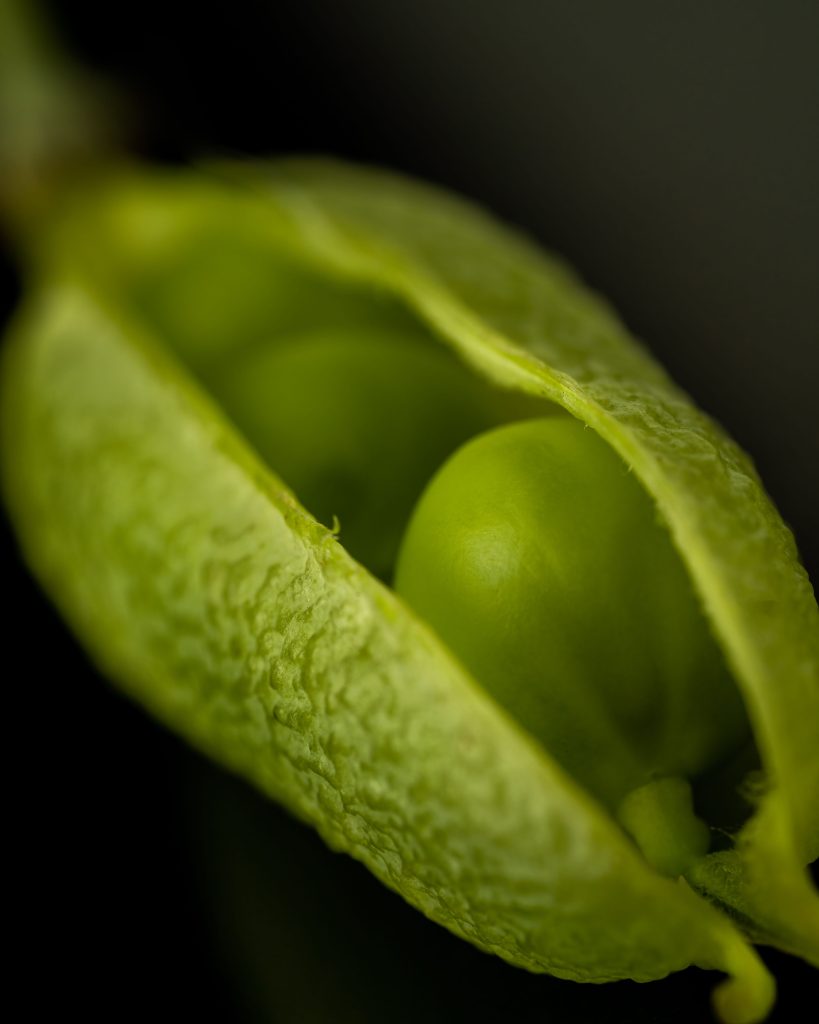
Soybeans often look more forgiving than they are.
A cornfield under stress makes its condition obvious. Leaves roll, tassels bleach, and lower leaves fire. Soybeans may continue to hold a green canopy while flowers are aborting, pods are being shed, or seeds are filling more slowly than expected.
That is why August soybean scouting should move inside the canopy.
By July 12, 2026, USDA reported that 19% of soybeans in the 18 major producing states were setting pods, ahead of the five-year average of 13%. By August, many fields will be progressing through full pod and seed fill, although planting date, maturity group, latitude, and weather will create wide differences among farms.
These reproductive stages are important because the crop is deciding how many pods it can retain, how many seeds will develop in each pod, and how large those seeds can become.
A soybean plant normally produces more flowers than it carries to maturity. Some flower and pod loss is part of the plant’s natural adjustment to available light, moisture, nutrients, and photosynthetic capacity.
That flexibility allows the crop to compensate for moderate early stress.
A field that loses some flowers during early bloom can still set additional flowers at upper nodes. Branches may contribute more pods in a thin stand. Favorable moisture during later reproductive growth can help the plant retain pods and fill seeds.
The room for compensation decreases as the crop moves forward.
At full pod, pods have reached their normal length at one of the upper nodes. At beginning seed, small seeds are visible inside pods. By full seed, the pod cavity is filled by a green seed. Stress during this period affects established yield components rather than only potential reproductive sites.
Research and extension guidance consistently identify the period from approximately R4 through R6 as especially sensitive to drought. Moisture stress can reduce pod retention, seeds per pod, and seed size.
Heat does not affect soybeans in isolation from water.
A hot day raises atmospheric demand. When humidity is low and wind is strong, water leaves the leaf rapidly. Roots must replace that water to keep cells functioning and stomata open.
If the soil profile can supply enough water, the canopy may continue photosynthesizing despite high temperature. If roots cannot keep up, the plant closes stomata to conserve moisture. That response reduces water loss, but it also limits carbon dioxide entry and slows photosynthesis.
Less photosynthesis means fewer carbohydrates available for pod retention and seed fill.
Soybeans often signal this condition by turning or “flipping” their leaves so the lighter undersides become visible. Temporary flipping during the hottest part of the afternoon may not cause major damage if plants recover overnight. Concern increases when leaves remain flipped into the evening, begin wilting early in the day, or fail to recover by morning.
Prolonged stress can lead to flower abortion, pod abortion, smaller seeds, and premature leaf drop.
A soybean crop on deep, well-structured loam may have access to a large reserve of water. A crop on coarse sand may depend on frequent rainfall or irrigation. A crop on heavy soil may have good storage potential but shallow roots because spring saturation restricted development.
That means the same three-day heat wave can produce very different outcomes.
Sandy soils generally hold less plant-available water per foot. They also drain quickly, which reduces waterlogging risk but shortens the time between adequate moisture and crop stress.
Fine-textured soils can hold more water, but some of that water is held tightly. Compaction and poor structure can reduce infiltration and root penetration. A dense layer at 8 or 10 inches may leave roots concentrated near the surface even though deeper soil contains moisture.
Dig plants from healthy and stressed areas. Examine rooting depth, lateral roots, nodulation, soil structure, and moisture. The goal is to determine whether the crop is stressed because the profile is dry or because roots cannot use the water that remains.
University of Minnesota Extension estimates that soybeans around R4 may still use roughly 3 to 4 inches of water before maturity under normal central Minnesota conditions. Estimated remaining use declines as the crop moves through seed fill, but demand is still meaningful at R5.
Daily use can remain high during hot, sunny, windy weather.
An irrigation decision should therefore consider both present soil moisture and expected demand. Waiting until the entire canopy is visibly wilted can allow stress to develop before the system catches up, especially where irrigation capacity is limited.
At the same time, overwatering carries risks.
Excess irrigation can saturate the root zone, reduce oxygen, increase disease pressure, and move nitrate or other soluble nutrients below the active roots. Soybeans fix much of their own nitrogen, but waterlogging damages nodules and roots. Saturated soil can also favor diseases such as Phytophthora root and stem rot.
The objective is consistent moisture, not constant saturation.
Soil-moisture measurements should represent the depth that roots are actually using.
A sensor at 24 inches provides limited value where compaction has confined roots to the top foot. A shallow sensor can suggest severe dryness while deeper soil remains available. Multiple depths provide a better picture.
Hand probing is also useful. Soil that forms a weak ball may contain more moisture than its dry surface suggests. Soil that cannot be compressed at all may be approaching a serious deficit, depending on texture.
Check several field positions:
The average condition may not represent the portion of the field most likely to lose yield.
Pod counting in early August can help evaluate reproductive progress, but it is not a final yield estimate.
Pods can still abort. Seeds may not fill uniformly. Two fields with similar pod counts can produce different yields because one develops larger seeds.
Wait until later seed fill before placing too much confidence in a yield estimate.
When examining plants, look at where pods are located. Are lower nodes carrying pods? Are upper nodes still flowering? Are pods flat or beginning to contain seeds? Do pods contain one, two, three, or four seeds? Are pods turning yellow prematurely?
Compare multiple plants rather than selecting the largest plant in the row.
Stand density also changes interpretation. A lower population may produce more branches and pods per plant. A high population may have fewer pods per plant but more plants per acre.
Seed filling depends on active leaf area.
Disease, insects, nutrient shortage, hail, and drought can all reduce the canopy’s ability to capture sunlight. August scouting should therefore include soybean aphids, spider mites, defoliating insects, sudden death syndrome, brown stem rot, white mold, frogeye leaf spot, and other locally important problems.
Spider mites deserve particular attention in hot, dry conditions. They often begin at field edges, especially beside roads, ditches, or mowed vegetation. Leaves develop fine stippling, then bronze and drop as populations increase.
Do not diagnose mite injury from a distance. Turn leaves over and use a hand lens. Dust and nutrient symptoms can produce similar discoloration.
Soybean aphids can also increase during reproductive growth in northern regions. Treatment decisions should follow established economic thresholds and current local recommendations rather than the presence of a few insects.
A healthy-looking canopy can change quickly when insect pressure, disease, and dry weather occur together.
Potassium deficiency is commonly reported during dry soybean seasons.
Potassium moves toward roots largely through diffusion in soil water. When the soil dries, movement slows. Plants may show yellowing or necrosis along leaflet margins even where soil-test potassium is normally considered adequate.
This does not mean the symptoms should be ignored. A field with marginal potassium fertility may suffer more severely during drought. It does mean that applying potassium to dry soil in August may not correct the visible problem.
The same caution applies to nitrogen.
Soybeans with healthy nodules normally meet much of their nitrogen demand through biological fixation. Pale plants may have poor nodulation, saturated roots, high soil pH, iron deficiency chlorosis, disease, or other problems. A general foliar feed does not correct all of those conditions.
Dig roots and identify the cause before selecting an input.
Soybean irrigation during pod fill should replace a measured deficit without keeping the canopy wet longer than necessary.
Where possible, irrigation timing should allow leaves to dry. Repeated light applications that wet the canopy but do not replenish the root zone can favor disease while failing to meet crop demand.
A deeper application may be more useful on a soil that can absorb and store it. On coarse soil, smaller applications may be needed to avoid leaching.
System capacity can complicate the decision. A pivot that requires several days to complete a circle must begin before the last portion of the field reaches severe stress. This is where soil sensors, crop-water-use estimates, and a reliable weather forecast are valuable.
Do not “top off” a profile that is already near capacity ahead of forecast rain. Allowing storage space for rainfall improves irrigation efficiency.
Severe August stress can accelerate maturity.
Leaves may yellow and drop earlier. Pods may dry before seeds reach normal size. Areas with shallow soil or damaged roots often mature first. These areas can also be more vulnerable to shattering if dry conditions are followed by repeated wetting and drying.
Walk fields before the entire farm appears ready.
Uneven maturity may require prioritizing fields with disease, weak stems, pod shatter risk, or poor seed quality. Early scouting also helps separate normal maturity from premature death.
A field that turns yellow because it is approaching R7 should not be treated like a field yellowing from sudden death syndrome or potassium deficiency.
The practical objective in pod fill is not to make the soybean plant look perfect. It is to preserve active leaf area, maintain enough soil moisture, control economically important pests, and avoid treatments that add stress or expense without protecting yield.
In an irrigated field, that means checking the full root zone and replacing a real deficit. In a dryland field, it means protecting canopy health, managing insects carefully, and documenting the zones that fail first.
Where symptoms suggest fertility problems, collect paired soil and tissue samples from good and affected areas. Do not sample dead tissue or mix different problems into one bag. Record the crop stage, recent rain, irrigation history, and field position.
Those records can guide fall potassium management, compaction correction, drainage work, variety selection, and future irrigation decisions.
Supply Solutions can assist growers with soil-testing interpretation and nutrient selection where a verified shortage is contributing to poor pod fill. Fertilizer should support a functioning crop, not be used as a substitute for water or healthy roots. Contact the company for guidance before making a late application to soybeans already under heat, drought, or disease pressure.
A brown lawn in August creates pressure to make it green. The grass may appear thin, dull, or lifeless. A fertilizer bag promises color and
An orchard can look finished after the bins leave the row. The crop is harvested, irrigation demand begins to decline, and the urgency of the
Give us a call or visit our store, and we’ll help you find the right solution for your business.