
As fertilizer prices rise and environmental concerns grow, farmers and gardeners are turning to sustainable fertilization practices. These methods aim to maximize crop yield while reducing soil degradation, water pollution, and greenhouse gas emissions. This guide highlights eco-friendly fertilization strategies that support plant health, protect the environment, and improve long-term productivity. 1. Use Organic and […]

Improper fertilizer storage can lead to clumping, moisture damage, loss of nutrient quality, and even safety hazards. Whether you’re storing urea, ammonium sulfate, blended NPK, or organic fertilizers, following the right practices ensures product longevity and effectiveness. This guide outlines best practices for fertilizer storage to preserve quality, maintain safety, and reduce waste. Why Fertilizer […]

With so many fertilizer options available—urea, ammonium sulfate, potassium sulfate, NPK blends, slow-release, and organic types—choosing the right one for your crop can feel overwhelming. But selecting the right fertilizer ensures higher yields, stronger plants, and improved soil health. This guide breaks down how to choose the ideal fertilizer based on crop type, soil condition, […]

While macronutrients like nitrogen, phosphorus, and potassium often take center stage in plant nutrition, micronutrients are equally vital for healthy growth. These include zinc (Zn), iron (Fe), manganese (Mn), copper (Cu), boron (B), molybdenum (Mo), and chlorine (Cl)—all required in small amounts but with big impacts on plant development, disease resistance, and fertilizer performance. This […]

Weather plays a critical role in fertilizer performance, influencing nutrient availability, plant uptake, and environmental impact. Factors like temperature, rainfall, wind, and humidity determine how well fertilizers like urea (46-0-0) and ammonium sulfate (21-0-0-24S) work in the soil. This guide explores how weather conditions affect fertilizer efficiency and how to adjust application strategies accordingly. 1. […]
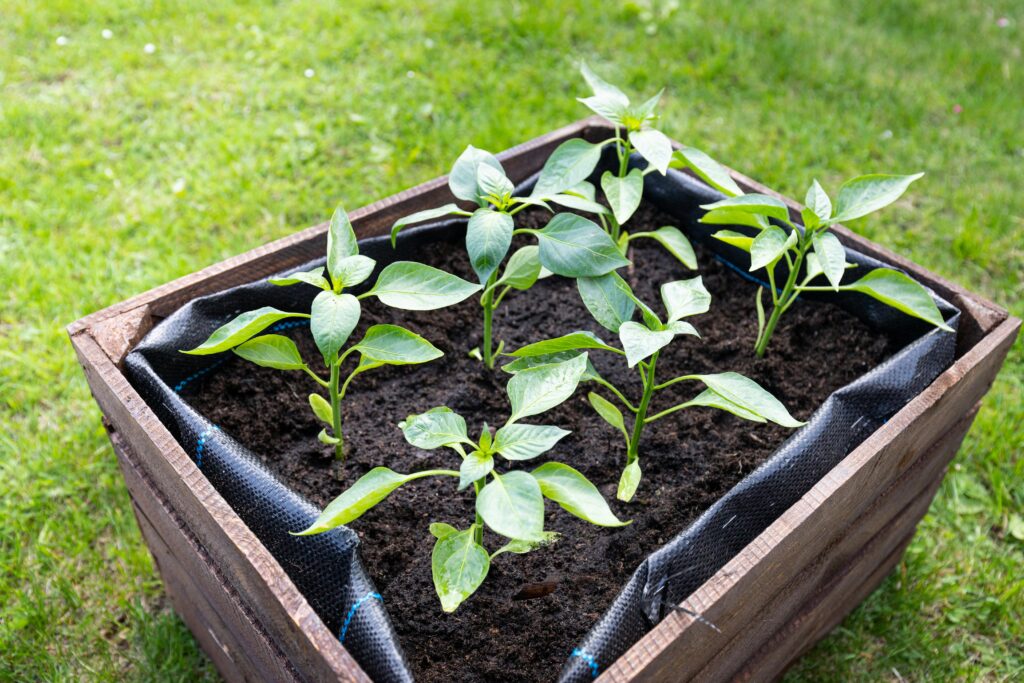
Nitrogen (N) is a crucial nutrient for plant growth, influencing photosynthesis, protein formation, and overall vigor. However, plants absorb nitrogen in different forms, and efficient uptake depends on soil conditions, fertilizer choice, and plant metabolism. This guide explores how plants absorb nitrogen, the role of fertilizers like urea (46-0-0) and ammonium sulfate (21-0-0-24S), and best […]

Fertilizer burn occurs when excess salts from fertilizers damage plant roots and leaves, leading to wilting, discoloration, and stunted growth. Understanding how to prevent fertilizer burn ensures healthy plants, efficient nutrient use, and optimal growth. This guide explains the causes of fertilizer burn, how to recognize symptoms, and best prevention strategies. What Causes Fertilizer Burn? […]

Chlorophyll is essential for photosynthesis, allowing plants to convert sunlight into energy. Ammonium sulfate (21-0-0-24S) provides nitrogen and sulfur, two key nutrients that enhance chlorophyll synthesis and overall plant health. This guide explores how ammonium sulfate supports chlorophyll production, prevents deficiencies, and boosts plant vigor. How Ammonium Sulfate Affects Chlorophyll Production ✔ Provides Readily Available […]

Traditional urea (46-0-0) provides plants with a quick nitrogen source, but it has a high volatilization and leaching risk. Slow-release urea fertilizers help reduce nitrogen loss, improve nutrient availability, and promote sustained plant growth. This guide explores how slow-release urea works, its benefits, and when to use it for maximum efficiency. What is Slow-Release Urea? […]

Before applying fertilizers like urea (46-0-0) or ammonium sulfate (21-0-0-24S), conducting a soil test is essential. Soil testing helps determine nutrient levels, pH balance, and potential deficiencies, ensuring that the right amount of fertilizer is applied for optimal plant growth. This guide covers how to properly test soil, interpret the results, and adjust fertilization accordingly. […]
