
Winter fertilization goes beyond simply spreading fertilizer on your lawn. Its effectiveness hinges on grasping and applying fundamental principles specific to the season. In winter, lawns have distinct nutrient requirements to withstand the challenges posed by colder temperatures. The crucial factor lies in delivering a well-balanced combination of vital elements like nitrogen, phosphorus, and potassium, […]

Snow shovels emerge as the most convenient and cost-effective solution for ensuring the safety and accessibility of walkways, driveways, sidewalks, and parking spaces. If left untouched and repeatedly driven over, snow can harden and compact, raising the ground level. This poses a safety concern, particularly when parking a tall vehicle in a garage with a […]

If you look forward in transforming your landscape this year, seize the opportunity to outline your aspirations and formulate a wish list, setting the stage for a proactive approach come springtime. If you’re uncertain about where to start your spring landscape preparations, take comfort in the knowledge that Solutions Supply is ready to help you […]

Experiencing the loss of a lawn due to the challenges posed by summer heat or winter cold can be highly disheartening for both homeowners and lawn care professionals. Dedicated hours of care may be invested in maintaining customers’ lawns, only to see them succumb to the pressures of a demanding season. As a turf-care professional, […]
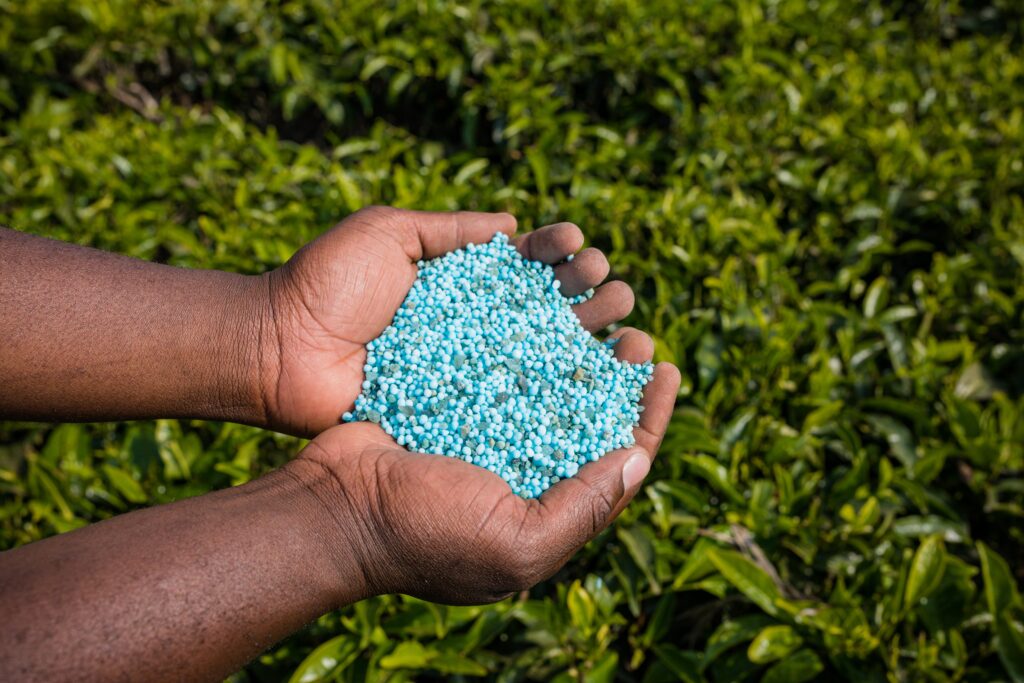
With a growing emphasis on sustainability and eco-friendly practices, individuals and businesses alike are reevaluating products that were once considered commonplace. What Is Synthetic Fertilizer? Synthetic fertilizer is a form of plant nutrition delivering essential macronutrients, chemical compounds vital for robust plant growth. While it promotes rapid and visually attractive plant development, it may not […]

Selecting the optimal fertilizer for your garden is dependent on factors such as the types of plants you cultivate and your considerations regarding cost and environmental impact. The choice between organic and inorganic fertilizers primarily revolves around nutrient requirements. While both types offer essential nutrients for plant growth, inorganic fertilizers provide a quick nutrient boost, […]
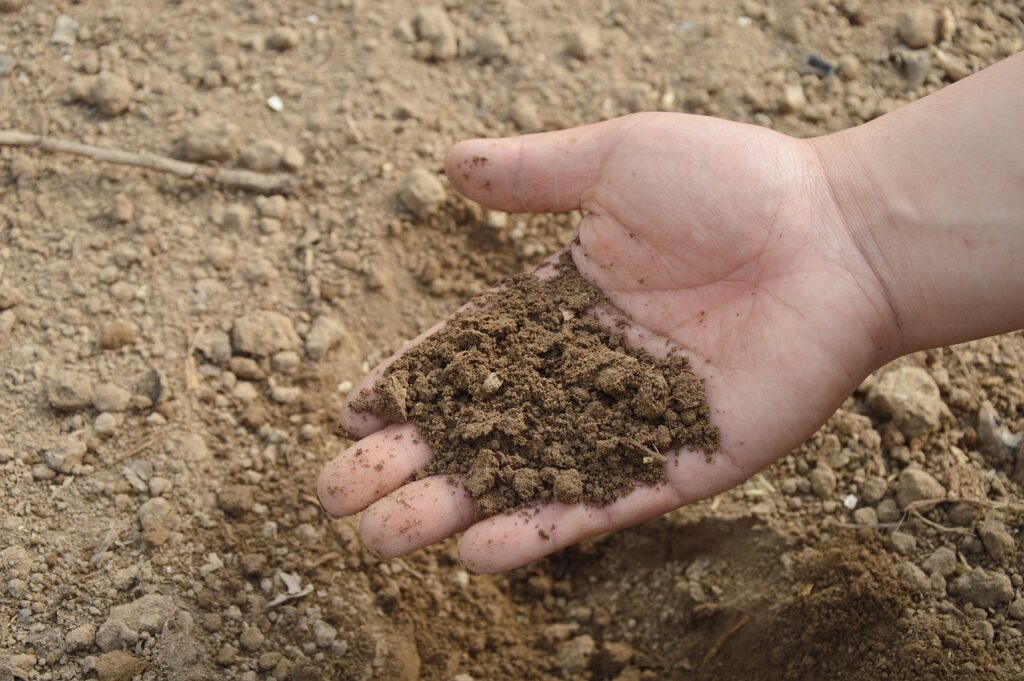
Whether acquired through soil analysis or a wealth of hands-on experience, you’re aware that your agricultural plot or business turf occasionally requires an additional infusion of nutrients. Every fertilizer is characterized by its NPK ratio, denoting the proportion of nitrogen, phosphorus, and potassium it contains—revealing the specific amounts of these essential elements being supplied to […]

What is Gypsum? Gypsum, chemically denoted as CaSO4.2H2O, is a naturally existing mineral comprising di-hydrated calcium sulfate. It undergoes dissolution in water and is naturally deposited as rock formations beneath the Earth’s surface. Consequently, mining is required to extract gypsum for various commercial applications such as soil conditioning, fertilization, and other uses. In agriculture, gypsum […]
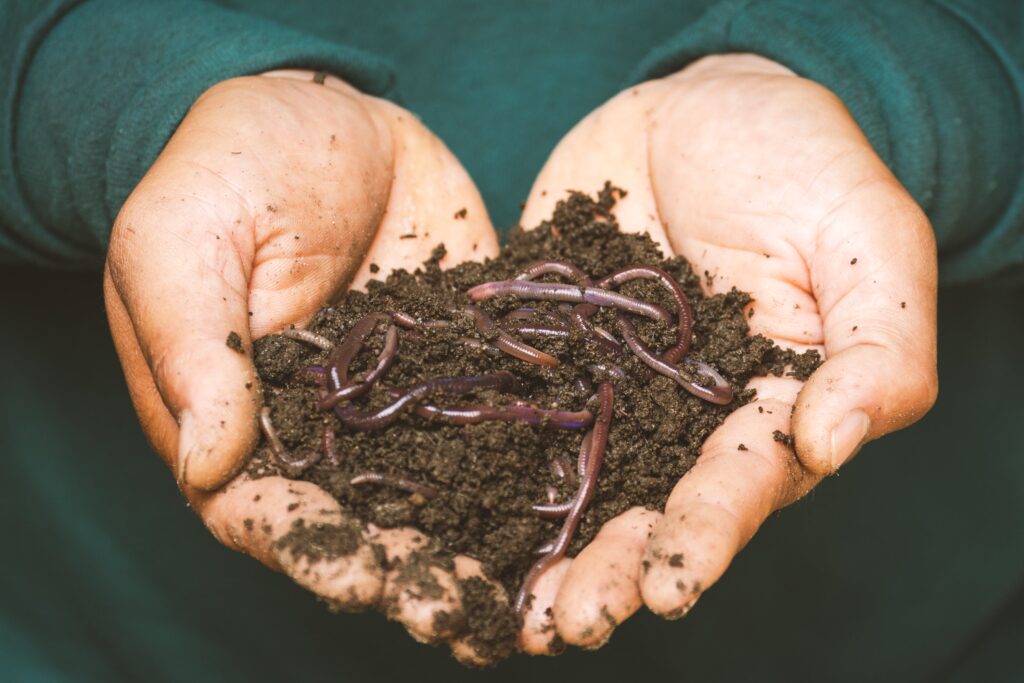
In essence, organic fertilizers are naturally occurring fertilizers utilized to enhance soil, plant, or lawn health and promote growth. Commonly, organic fertilizers encompass animal by-products like cattle manure, slurry, guano, or poultry droppings, all classified as organic sources. Additionally, plant-based substances such as compost and biosolids contribute to the composition of organic fertilizers. Biosolids, solid […]

What Is Humic Acid? Humic and Fulvic acids represent the ultimate breakdown components resulting from the natural decomposition of plant and animal substances. These organic acids are present in deposits dating back to prehistoric times. The formation of humic matter occurs through the chemical and biological processes of humification involving plant and animal materials, as […]
