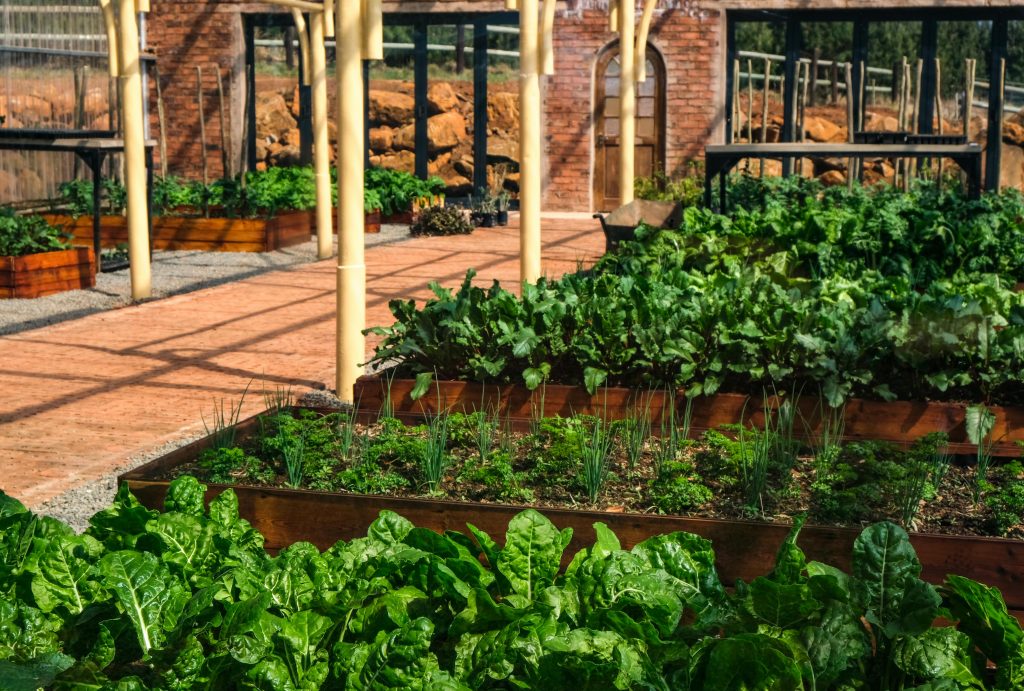
Raised beds are a gift in the Pacific Northwest, especially in February. They warm a little faster than native soil, drain better, and let you prep for spring when the rest of the yard still feels like a sponge. That same drainage is also the reason raised beds can quietly waste fertilizer in late winter. […]

Pacific Northwest landscape beds have a special challenge in February: the plants are waking up slowly, but the rain is wide awake. This is the month when you can spend good money on fertilizer and still feel like nothing happened, or worse, feel like the fertilizer disappeared. In reality, the nutrients did not vanish. They […]
If you farm, manage landscapes, or garden in the Pacific Northwest, you already know what a long stretch of rain can do to schedules. What often surprises people is what that rain can do to sulfur nutrition. Sulfur is one of those nutrients that usually stays quiet until it does not. After heavy winter rainfall, […]

In the Pacific Northwest, February pasture fertility is a balancing act. You want enough nutrition in place for that first real spring push, but you do not want nutrients sitting exposed through weeks of cold rain while grass is still half asleep. The most common pasture fertilizer frustration I hear in late winter sounds like […]
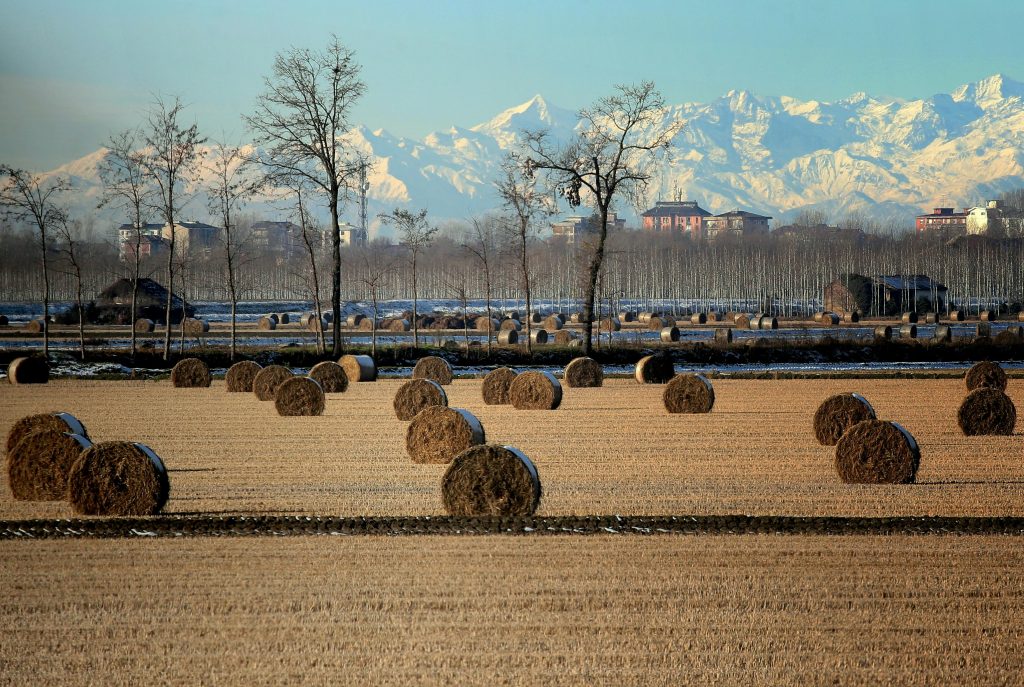
Hay fields have a way of telling the truth about fertility. Pastures can sometimes coast on recycled nutrients because grazing returns manure and urine to the field. Hay does not. When you cut and remove forage, you remove nutrients with it. Over time, that nutrient removal becomes visible as thinner stands, slower spring recovery, weaker […]

Starter fertilizer is one of those terms that sounds specific, but it actually describes a goal: giving plants early-season nutrition that supports rooting and steady establishment when conditions are still less than ideal. In the Pacific Northwest, that matters because spring often starts slowly below ground. Soil temperatures lag behind air temperatures, rainfall keeps soils […]
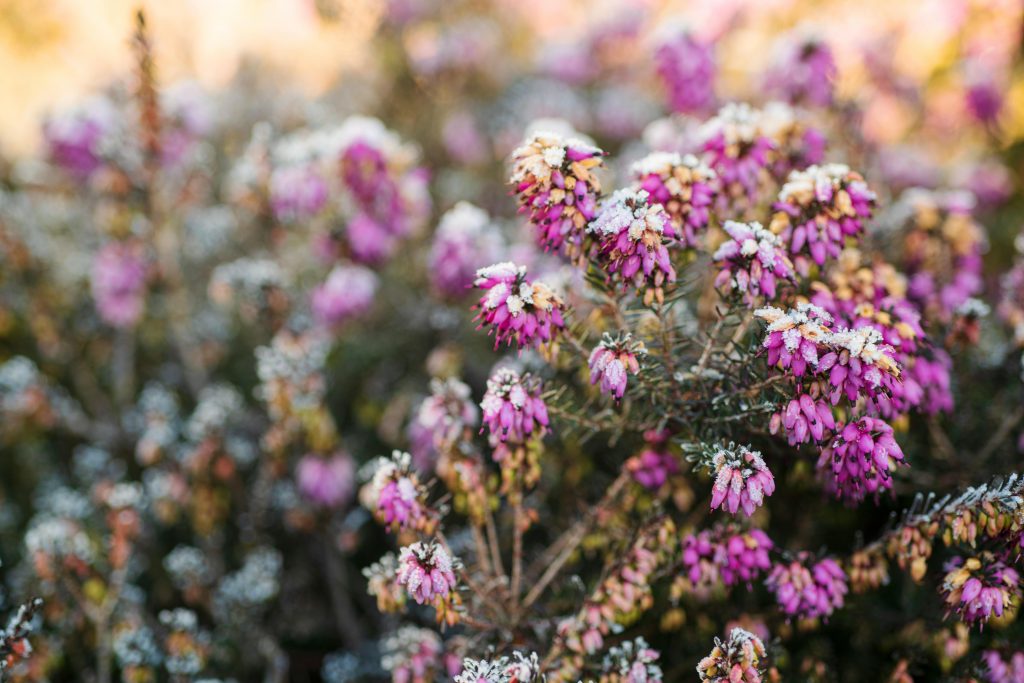
Micronutrients are the small pieces that can create big frustration in February. A lawn looks pale even after feeding. Brassicas stall in a garden bed that “should be rich.” Ornamentals wake up with weak color. The instinct is to keep adding fertilizer, but late winter in the Pacific Northwest has a different set of rules. […]
Potassium rarely gets the same attention as nitrogen, but in the Pacific Northwest it deserves more respect, especially in late winter. Potassium is one of the nutrients most tied to stress tolerance. It helps plants manage water, strengthens overall plant function, and supports recovery when conditions are not ideal. February conditions are often not ideal. […]
Two people can apply the same fertilizer on the same day in the Pacific Northwest and get completely different results. One sees steady green-up and healthy growth. The other sees very little change, or a response that fades quickly. Often, the difference is not the fertilizer. It is soil pH. pH shapes how available nutrients […]
February turf in the Pacific Northwest is a little like a truck warming up in the driveway. You can turn the key, but you cannot force the engine to run at full speed until it is ready. The same is true with fertilizer. You can apply nutrients now, but your results will depend on soil […]
