

Uncategorized
Why Clay Soils Need Structure Before More Fertilizer
Clay soil can be some of the most productive soil a grower will ever work with. It can hold nutrients. It can hold moisture. It
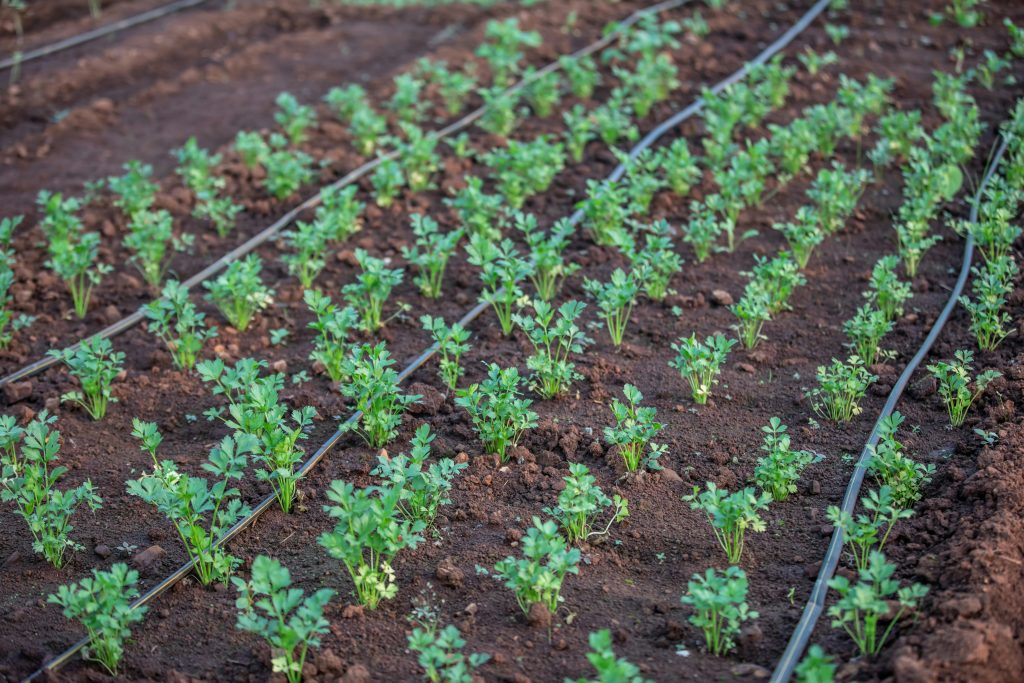
Nitrogen gets attention in May because the response is easy to see.
When a lawn is short on nitrogen, it often looks pale and thin. When young vegetables are ready to grow but short on nitrogen, new leaves may come slowly. When field crops begin active vegetative growth, nitrogen demand starts rising. When trees, shrubs, and flowers wake up from spring dormancy, nitrogen helps support leaf growth and the plant’s ability to build energy.
That visible response is why nitrogen is one of the most used nutrients in spring.
It is also why nitrogen is one of the easiest nutrients to misuse.
May is not a month for automatic nitrogen. It is a month for timely nitrogen. The difference matters. A plant that is actively rooting, growing, and sitting in workable soil can often make good use of a nitrogen application. A plant sitting in cold, wet, compacted, or damaged soil may not respond well because the root system is not ready to take up and use what is applied.
Nitrogen fixes a nitrogen problem. It does not fix poor drainage, saturated roots, compaction, transplant shock, cold soil, herbicide injury, disease, or shallow rooting.
That is the practical mindset farmers, gardeners, landscapers, and lawn managers need in May.
Nitrogen supports chlorophyll, leaf expansion, protein formation, and vegetative growth. In plain terms, it helps plants build green tissue and grow. That is why nitrogen shortage often shows up as pale color, slow growth, thinner turf, weak vegetable foliage, or poor early crop vigor.
Supply Solutions Urea 46-0-0 Nitrogen Fertilizer fits situations where a concentrated nitrogen source is needed. Supply Solutions lists this product as a 46% urea nitrogen fertilizer intended to support plant development, protein synthesis, growth production, lush foliage, and deep green color. It is positioned for lawns, vegetables, flowers, trees, shrubs, and broader crop use.
That makes it useful in May when the crop or lawn is clearly ready for nitrogen. The key word is ready.
Urea is strong. Because it carries a high nitrogen analysis, the rate and timing need to be handled carefully. A small amount supplies a meaningful amount of nitrogen. That efficiency is helpful for larger areas and nitrogen-responsive crops, but it also means careless spreading can cause burn, uneven growth, or wasted fertilizer.
The right time for urea is when plants are actively growing, soil moisture is adequate, and the application can be watered in or timed with appropriate rainfall. Supply Solutions’ product guidance notes applying urea to dry plants and watering after application for turf, vegetables, flowers, trees, and shrubs.
That simple detail matters. Surface-applied urea can lose nitrogen as ammonia gas under certain conditions, especially when it sits near the soil surface in warm, moist, high-pH conditions. University extension guidance notes that urea has greater volatilization potential than many nitrogen sources, and that moisture, temperature, surface placement, and pH influence losses.
In practical terms, do not just throw urea onto the surface and hope it works. Apply it at the right rate, keep it off wet foliage, and water it in so the nitrogen moves into the root zone.
Not every nitrogen need is only a nitrogen need.
Some May crops, lawns, and ornamentals may also benefit from sulfur. Sulfur supports protein formation, enzyme activity, chlorophyll development, and overall plant growth. It can become more noticeable in spring because wet conditions may move sulfate through the soil, and young roots may not be exploring enough soil volume yet.
Supply Solutions Ammonium Sulfate 21-0-0 + 24% Sulfur fits situations where both nitrogen and sulfur are useful. Supply Solutions describes it as a fertilizer for deep green foliage, blooms, lawns, trees, flowers, and acid-loving plants, with 21% nitrogen and 24% sulfur. The product page also notes its role in helping lower pH in alkaline soils and supporting nutrient availability for acid-loving plants such as azaleas, camellias, and rhododendrons.
That makes ammonium sulfate a strong May fit for several use cases.
It can help lawns that need green-up and sulfur support. It can support acid-loving plants where soil pH and nutrient availability are part of the issue. It can fit flower beds, shrubs, and trees when nitrogen and sulfur are both needed. It can also make sense in garden or crop situations where sulfur deficiency is suspected or confirmed.
The caution is the same as with any fertilizer: match the product to the need.
Ammonium sulfate is not something to apply repeatedly just because plants look a little yellow. If the soil is already acidic, using a fertilizer that can contribute to acidification may not be appropriate. If the plant is yellow because the roots are waterlogged, more nitrogen will not solve the oxygen problem. If the issue is magnesium, iron availability, compaction, or drought, ammonium sulfate may not be the right correction.
Used correctly, it solves a real problem: nitrogen and sulfur shortage during active growth. Used carelessly, it can create imbalance.
A good May nitrogen decision starts with plant readiness.
The plant should be actively growing. That means new leaves are forming, roots are functioning, and the crop is past the worst of transplant shock or cold-soil delay. Nitrogen is most useful when the plant can turn it into growth.
A newly transplanted pepper sitting in cool soil may not be ready. A tomato with new growth and expanding roots may be ready for a light, well-timed feed. A lawn that has started consistent spring growth may respond well. A lawn still half-dormant or stressed from saturated soil may not. A field crop at an active vegetative stage may be able to use nitrogen. A field crop in a compacted, waterlogged strip may need root recovery first.
The soil should also be ready.
If soil is saturated, roots may be short on oxygen. Fertilizer uptake slows when roots cannot breathe. This is why plants sometimes turn yellow after long wet periods even when fertility is present. Adding more nitrogen during that moment may not help much, and in some cases it can increase loss risk.
If soil is very dry, nitrogen may not move into the active root zone until rainfall or irrigation arrives. If the fertilizer remains concentrated near shallow roots, there can be injury risk. If heavy rain is expected, nitrogen can move away from where it is needed, especially on sandy soils or sloped areas.
The right timing is often the ordinary timing: soil is moist but not saturated, plants are growing, weather is moderate, and irrigation or light rain can move fertilizer into the soil.
Pale color is a clue, not a diagnosis.
Older leaves turning yellow can point toward nitrogen shortage because nitrogen is mobile inside the plant. When the plant runs short, it may move nitrogen from older leaves to newer growth. That pattern can be useful.
But several other issues can look similar in May.
Wet soil can make plants yellow because roots are not taking up nutrients well. Cold soil can slow uptake. Compaction can restrict root growth. High pH can limit availability of some nutrients. Sulfur deficiency can cause pale growth, often showing more strongly in newer leaves. Magnesium, iron, herbicide stress, disease, root pruning, and transplant shock can all produce symptoms that a person might mistake for nitrogen shortage.
For lawns, pale turf may need nitrogen, but it may also need better soil conditions, improved mowing height, iron, sulfur, or better water movement. University turf guidance warns that overdoing spring nitrogen can push top growth at the expense of root growth, creating more trouble later in the season.
That is why May scouting matters.
Do not look only at the leaves. Look at the roots and the pattern.
If the whole area is uniformly pale and growth is slow, fertility may be part of the issue. If yellowing follows wheel tracks, compacted paths, low spots, or areas that stayed wet, the root zone may be the bigger problem. If one plant is yellow and the rest of the row is fine, check transplant damage, root disease, insects, or planting depth. If the newest leaves are pale but older leaves remain greener, think beyond simple nitrogen shortage.
Nitrogen is useful when nitrogen is limiting. It is wasteful when the real limitation is somewhere else.
Spring lawn care is one of the most common places nitrogen gets overused.
A lawn that greens fast after nitrogen looks successful. But fast green-up is not the same as long-term turf health. When spring nitrogen is too heavy, turf can produce excessive top growth. That means more mowing, softer tissue, and sometimes weaker root development going into summer.
That does not mean lawns should never be fertilized in spring. It means the timing and rate should be sensible.
May is often a better window than very early spring because turf is more actively growing. For cool-season lawns, spring feeding should be moderate and should not replace the importance of fall fertility. For warm-season lawns, feeding should wait until the grass is fully awake and actively growing, not just showing a little color.
Urea 46-0-0 can fit lawn programs where a strong nitrogen source is needed for established turf, but it needs careful spreading and watering after application. It solves pale color and weak nitrogen-driven growth when the lawn is ready to use nitrogen. It should not be used as a shortcut for compacted soil, poor mowing, drought stress, or drainage problems.
Ammonium Sulfate 21-0-0 + 24% Sulfur can fit lawns that need nitrogen plus sulfur, especially where soil conditions support its use. Supply Solutions gives established lawn application guidance and emphasizes watering thoroughly after application to help prevent burn.
A good May lawn nitrogen program should leave the lawn greener, denser, and steady, not racing upward every few days. Mowing height, sharp blades, deep watering, and soil condition are part of the nitrogen response. Fertilizer cannot carry the lawn by itself.
In the vegetable garden, nitrogen timing depends heavily on the crop.
Leafy greens, sweet corn, cabbage family crops, and other vegetative crops usually need more nitrogen during active growth. Tomatoes, peppers, cucumbers, squash, melons, and other fruiting crops also need nitrogen, but too much early nitrogen can push leaves and delay the balance needed for flowering and fruiting.
A young tomato transplant should not be forced into lush growth before the root system is ready. A pepper in cool May soil may sit still even after feeding because peppers need warmth. Sweet corn, on the other hand, can become strongly nitrogen-responsive once it enters rapid vegetative growth.
Urea 46-0-0 fits vegetable crops when a clear nitrogen need exists and the crop is ready for stronger vegetative growth. The product solves pale color and slow nitrogen-limited growth, but it should be placed carefully and watered in. Because it is concentrated, it should not be piled near stems or tender roots.
Ammonium Sulfate 21-0-0 + 24% Sulfur can fit vegetable and garden situations where nitrogen and sulfur are both needed, or where pH conditions make an acidifying nitrogen source appropriate. It is especially relevant around acid-loving crops and plants, but it should still be guided by soil conditions.
The practical vegetable-garden rule is simple: feed growth that is ready to happen. Do not keep feeding a stressed plant and expect fertilizer to fix stress.
If leaves are pale and roots are white, active, and spreading, nitrogen may help. If the plant is sitting in cold mud, wait. If the bed is dry and crusted, water management comes first. If the plant is dark green and all leaves with no flowers, more nitrogen is probably not the answer.
For farmers, May nitrogen decisions are often tied to crop stage, rainfall, soil type, and earlier applications.
Early corn, forages, small grains, and other nitrogen-responsive crops may begin pulling harder as temperatures rise. But the field pattern still matters. Pale growth across a field may point toward nitrogen shortage, especially after heavy spring rainfall. Pale growth in low spots may point toward saturated roots. Short plants in wheel tracks may point toward compaction. Sandy areas may lose nitrogen faster than heavier soils. Heavy residue may keep soils cooler and slow early uptake.
Nitrogen should be managed in the context of root access and weather.
Surface-applied urea can be efficient, but it should be protected from volatilization loss through incorporation, rainfall, irrigation, or appropriate management. University of Minnesota Extension notes that urea is widely used as a nitrogen fertilizer and contains 46% nitrogen, while extension guidance from Montana State and Missouri explains that surface urea can be vulnerable to ammonia volatilization depending on conditions.
That does not make urea a poor choice. It makes timing important.
Supply Solutions Urea 46-0-0 can be useful where a high-analysis nitrogen source is needed for nitrogen-responsive growth. It solves nitrogen shortage when the crop is actively growing and the application is managed correctly. But in wet, compacted, or root-restricted areas, the first need may be soil condition, not more nitrogen.
Farmers know this from experience: the weak area of the field often tells a different story than the average area. May is the time to separate those stories before making one broad correction.
Trees, shrubs, and ornamentals can benefit from nitrogen in May, but they do not need to be pushed hard.
For established plants, spring nitrogen can support new leaves, shoot growth, and recovery from winter stress. For newly planted shrubs and trees, root establishment is more important than fast top growth. Too much nitrogen too soon can encourage a canopy the root system is not ready to support.
Ammonium Sulfate 21-0-0 + 24% Sulfur is especially relevant for acid-loving ornamentals such as azalea, camellia, rhododendron, and similar plants where nitrogen, sulfur, and soil pH are part of the management picture. Supply Solutions specifically positions the product for acid-loving plants, flowers, trees, shrubs, and lawns.
Urea 46-0-0 can fit trees and shrubs where nitrogen is clearly needed, but the application should be placed around the drip line rather than against the trunk, watered in, and kept within proper rates.
For ornamentals, watch the plant’s behavior. Pale, slow growth on an established plant may benefit from nitrogen. A newly planted shrub wilting in the afternoon may need water management, mulch correction, or root ball attention before fertilizer. A plant in a wet planting hole needs oxygen and drainage, not more nitrogen.
Nitrogen should support establishment, not force it.
There are plenty of May situations where waiting is the better nitrogen decision.
Wait when soil is saturated. Roots need oxygen, and nitrogen uptake will be limited when roots are struggling.
Wait when plants were just transplanted and have not begun new growth. Give roots time to make contact with the surrounding soil.
Wait when a heavy storm is expected. Nitrogen applied just before heavy runoff or leaching conditions may not stay where it is needed.
Wait when soil is cold and the crop is not actively growing. Nitrogen demand rises with growth, not just with the calendar.
Wait when symptoms are patterned around compaction, poor drainage, low spots, or equipment tracks. Diagnose the root-zone problem first.
Wait when the plant is already dark green and growing heavily. More nitrogen may push soft growth and reduce balance.
Waiting does not mean ignoring the plant. It means applying nitrogen when the plant can use it well.
Both Supply Solutions nitrogen products have a place in May, but they serve slightly different needs.
Use Urea 46-0-0 Nitrogen Fertilizer when the main need is concentrated nitrogen for active growth. It fits lawns, vegetables, flowers, trees, shrubs, and crop situations where nitrogen is clearly limiting and the application can be watered in or moved into the soil properly. It solves pale color, weak vegetative growth, and nitrogen shortage when roots are active.
Use Ammonium Sulfate 21-0-0 + 24% Sulfur when nitrogen and sulfur are both useful, or when acid-loving plants and high-pH nutrient availability are part of the issue. It fits lawns, flowers, trees, shrubs, and acid-loving plants. It solves nitrogen shortage, sulfur need, and certain pH-related nutrient availability concerns when soil conditions support that choice.
Neither product should be used blindly. Nitrogen is too important, and too easy to waste, for guesswork.
May nitrogen management comes down to one practical question: is the plant ready to turn this fertilizer into useful growth?
When the answer is yes, nitrogen can be one of the most effective tools in the spring program. When the answer is no, restraint protects the crop, the soil, and the fertilizer investment.
The strongest May fertility decisions come from reading the field, lawn, garden, or landscape before applying anything. Check moisture. Check roots. Check growth stage. Check the pattern of symptoms. Then choose the nitrogen source that matches the actual need. Supply Solutions offers both Urea 46-0-0 Nitrogen Fertilizer and Ammonium Sulfate 21-0-0 + 24% Sulfur for growers and property managers working through spring growth decisions. Used at the right time, at the right rate, and under the right soil conditions, they can support steady green growth without forcing plants beyond what their roots can handle. For help choosing the right nitrogen source for your crop, lawn, garden, or landscape, contact Supply Solutions and match the product to the conditions in front of you.
Clay soil can be some of the most productive soil a grower will ever work with. It can hold nutrients. It can hold moisture. It

A greener May lawn does not start with the mower. The mower shows the result, but the real work is happening underneath the turf. Roots
Give us a call or visit our store, and we’ll help you find the right solution for your business.
© Supply Solutions LLC 2025