
Uncategorized
Why Clay Soils Need Structure Before More Fertilizer
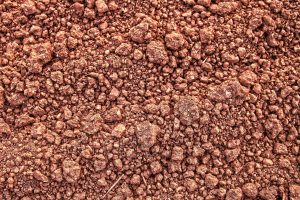
Clay soil can be some of the most productive soil a grower will ever work with. It can hold nutrients. It can hold moisture. It
Blossom end rot is one of those problems that shows up after the important mistake has already happened.
A tomato looks healthy, then the bottom of the fruit turns dark, sunken, and leathery. A pepper begins sizing, then the blossom end collapses. Squash, melons, and eggplant can show similar damage. By the time the symptom is easy to see, that fruit cannot really be repaired. The goal is to protect the next flush of fruit before the same pattern repeats.
That is why May is the right time to talk about calcium.
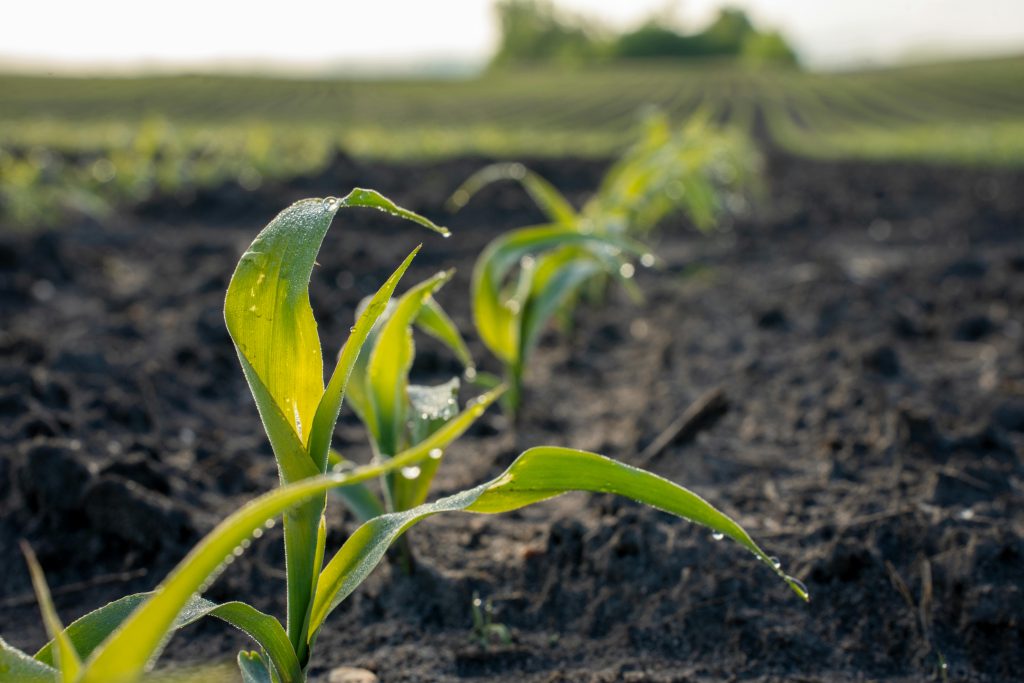
In many U.S. gardens, market farms, greenhouse setups, and small fruiting crop plantings, May is transplanting month or early establishment month. Tomatoes, peppers, melons, cucumbers, squash, eggplant, and other warm-season crops are either going into the ground or starting to grow after transplant shock. Flowers may not be heavy yet. Fruit may not be sizing yet. But the root system, water pattern, and fertility balance being built now will decide how well calcium reaches developing fruit later.
Blossom end rot is often described as a calcium problem, and that is true, but it is not always a simple calcium shortage in the soil. Extension resources describe blossom end rot as a physiological disorder connected to calcium deficiency in the fruit, with contributing factors such as inconsistent watering, rapid growth, dry weather, excessive nitrogen, root stress, and pH or soil conditions that interfere with calcium movement.
That distinction matters. Dumping on calcium after damaged fruit appears is not the same as managing calcium before the plant needs it.
Calcium is different from nutrients like nitrogen because the plant cannot easily move it from older leaves into developing fruit. Once calcium is deposited in one part of the plant, it does not relocate freely to another part that suddenly needs it.
That is why water management is so important.
Calcium moves from the soil into the roots with water. If the soil gets too dry, calcium movement slows. If the soil stays saturated, roots lose oxygen and do not function well. If watering swings from dry to soaked and back again, the plant’s calcium delivery becomes uneven. The fruit is often the part that pays for that inconsistency.
This is why blossom end rot commonly appears during early fruit development, especially when plants grow quickly and then hit moisture stress. Oklahoma State University Extension notes that blossom end rot often occurs when plants grow rapidly early in the season and then experience dry weather, with factors such as fluctuating water supply and heavy nitrogen applications increasing the problem.
For growers, the lesson is practical: calcium fertilizer matters, but calcium movement matters just as much.
A tomato plant may be sitting in soil that contains calcium and still show blossom end rot if the root system cannot move calcium steadily into the fruit. A pepper plant may receive calcium, but if the container dries hard every afternoon, delivery can still fail. A melon plant may be fed properly, but if roots are shallow from wet spring soil or compaction, calcium uptake may be uneven.
The best calcium program starts with roots and water.
Once tomatoes and peppers are covered in fruit, the calcium demand is already high. Waiting until symptoms appear puts the grower in a reactive position.
May is different. In May, many fruiting crops are still young enough to influence. Roots are expanding. The first flowers are forming or close. Irrigation habits are being established. Mulch decisions are being made. Side-dressing plans are being set. That makes May the right month to build the calcium program before the plant is under full fruit load.
For home gardeners, that may mean getting calcium into the planting or early side-dress plan instead of waiting until the first tomato turns black at the bottom. For market growers, it may mean using soluble calcium strategically as plants move from transplant recovery into flowering. For greenhouse and container growers, it may mean reviewing the calcium supply, irrigation frequency, and fertilizer balance before baskets, pots, or bags become root-filled and harder to manage.
Supply Solutions’ Calcium Nitrate 15.5-0-0 + 19% Ca fits this prevention window because it supplies nitrate nitrogen and water-soluble calcium in one fertilizer. Supply Solutions describes it as a fast-acting, water-soluble fertilizer for vegetables, fruits, gardens, and hydroponics, with 15.5% nitrogen and 19% calcium, designed to support plant growth and address calcium-related issues such as blossom end rot.
The timing is important. Calcium nitrate is most useful when plants are actively growing, roots are functioning, and calcium demand is rising. That is usually after transplant establishment, during early vegetative growth, and as plants approach flowering and early fruit set.
Calcium Nitrate 15.5-0-0 + 19% Ca is not just another nitrogen fertilizer. It solves a specific problem: supplying soluble calcium while also providing nitrate nitrogen for active growth.
That combination is useful because nitrate nitrogen supports steady vegetative growth without relying on ammonium-heavy nitrogen. Excess ammonium nitrogen can interfere with calcium uptake in some situations, and extension sources commonly warn that high nitrogen or excessive ammonium can contribute to blossom end rot risk.
For tomatoes, peppers, melons, cucumbers, squash, and eggplant, calcium nitrate fits best when the plant is moving into strong growth and the grower wants to support both structure and calcium movement. It can be used in soil-based gardens, raised beds, field plantings, greenhouse systems, and hydroponic programs when the system calls for a soluble calcium source.
The problem it helps prevent is not only visible blossom end rot. Calcium also supports cell wall strength, growing points, fruit firmness, and overall plant structure. When calcium delivery is weak, fast-growing tissues are usually the first to show stress.
Still, calcium nitrate should not be treated like a magic repair. If the plant is sitting in dry soil, calcium will not move well. If roots are waterlogged, uptake will be limited. If too much nitrogen has already pushed soft, rank growth, calcium demand may outpace delivery. If the soil pH is badly out of range, availability and uptake may suffer.
Calcium nitrate works best as part of a full program: steady moisture, healthy roots, correct rate, good timing, and balanced fertility.
One of the most common May mistakes with tomatoes and peppers is pushing foliage too hard.
A big, dark green tomato plant looks impressive, but lush vegetative growth is not always the same as balanced growth. When nitrogen is overapplied early, the plant may produce heavy leaves and stems while calcium demand increases across rapidly growing tissue. That can set up problems once flowers and fruit begin to develop.
University of Maryland Extension lists excessive nitrogen fertilizer among the factors that encourage blossom end rot, along with inconsistent watering, shallow watering, droughty conditions, low pH, and low calcium.
This does not mean nitrogen should be avoided. Tomatoes, peppers, melons, and squash all need nitrogen. The issue is balance.
In May, the plant needs enough nitrogen to build a healthy canopy, but not so much that the canopy outruns the roots. The roots must be able to support the top growth. Calcium must be able to move to growing tissue. Potassium must be available for water regulation and fruit development. Soil moisture must remain steady enough for uptake.
That is where calcium nitrate can be helpful when used correctly. It gives the plant nitrate nitrogen and calcium together. The nitrate nitrogen supports growth, while calcium supports structure. But rate still matters. Too much of any fertilizer can create stress.
For newly transplanted crops, give the plant time to establish before stronger feeding. Watch for new growth. Check whether roots are beginning to move into surrounding soil. Once the plant is actively growing, calcium support becomes more useful.
Not every grower wants the same fertilizer strength or application style. Some May programs call for a gentler nitrogen-calcium option, especially where the crop is still establishing or where the goal is steady support rather than a strong soluble push.
7/11 Nitrogen Calcium Fertilizer fits that space. Supply Solutions lists the product as a 7% nitrogen and 11% calcium plant food for vegetable and fruit crops and other plants, with applications for liquid feeding or dry application when plants are actively growing or as part of a nutrient program based on soil and plant analysis.
This product makes sense in May where growers want to support growth and calcium nutrition together, but do not necessarily need the same approach as a high-analysis soluble calcium nitrate. It can fit vegetable gardens, fruiting crops, herbs, trees, lawns, and other plants where nitrogen and calcium are part of the fertility need.
The “when” is important: apply it when plants are actively growing or when the nutrient program calls for it. That may be after transplant recovery, during early vegetative growth, or ahead of flowering and fruit development. It should not be used as a random rescue on plants that are yellow because the soil is saturated or roots are damaged.
The “why” is also important: it supports plant structure and steady growth by pairing nitrogen with calcium. That is useful for crops moving toward fruit production, because calcium demand rises when new tissue and fruit cells are developing.
For growers managing mixed gardens, small farms, or landscape food plantings, 7/11 can be a practical fit where the crop needs calcium support but the program still needs to stay measured.
Soluble calcium products are useful when the plant is actively growing and demand is rising. But not every calcium source works the same way.
Fish Bone Meal 6-13-0 + 14% Calcium fits the foundation side of a May fertility plan. Supply Solutions describes it as an organic fish bone meal fertilizer with 6% nitrogen, 13% phosphorus, and 14% calcium, designed to support stronger roots, flowering plants, vegetables, tomatoes, bulbs, and long-lasting slow-release feeding.
That makes it especially useful at planting or transplanting, when the goal is to support root development, early bloom potential, and calcium availability over time. Phosphorus supports root growth and energy movement in the plant, while calcium supports tissue strength. Because fish bone meal breaks down gradually, it should be thought of as a soil-building and planting-stage product rather than an instant correction.
For tomatoes and peppers, Fish Bone Meal fits well when worked into the transplant zone according to directions. For squash, melons, cucumbers, flowers, bulbs, and root crops, it can support root and bloom development in beds that need phosphorus and calcium. For organic gardeners, it gives a slower-release option that pairs well with compost, mulch, and steady watering.
The problem it solves is different from calcium nitrate. Fish Bone Meal helps build a nutrient base. Calcium nitrate provides a more immediately available calcium and nitrate nitrogen source. In a practical May program, these products can serve different roles rather than competing with each other.
A grower might use Fish Bone Meal at planting to support roots and early fertility, then use Calcium Nitrate or 7/11 later when the plant is actively growing and calcium demand is increasing. The exact program should follow soil conditions, crop stage, and product directions.
No calcium product can fully overcome erratic watering.
This is where gardeners and growers often get frustrated. They add calcium and still see blossom end rot. In many cases, the issue is not that the calcium product failed. The issue is that calcium did not move consistently into the fruit.
For in-ground gardens, deep and consistent watering is usually better than frequent shallow watering. Shallow watering keeps roots near the surface, where soil dries quickly. Deep watering encourages a broader, deeper root system that can access moisture more steadily.
For containers, the challenge is harder. Containers have limited soil volume, and a tomato or pepper in a pot can dry out quickly during warm, windy May weather. A container that dries too far between waterings creates exactly the kind of calcium delivery interruption that leads to problems.
For raised beds, the soil often warms earlier and drains faster. That is helpful for spring growth, but it also means moisture can fluctuate quickly. Mulch can help moderate surface drying once the soil has warmed enough for warm-season crops.
For field or market-garden plantings, drip irrigation is often one of the best tools for calcium consistency. It keeps moisture more even, reduces foliage wetting, and places water near the active root zone. Where overhead irrigation is used, scheduling becomes especially important during flowering and fruit set.
The goal is not to keep soil constantly wet. The goal is to avoid extremes. Roots need moisture and oxygen at the same time.
Calcium uptake begins with roots. If roots are weak, damaged, or shallow, the calcium program suffers.
May root stress can come from several sources. Soil may still be too cold for warm-season crops. Beds may have been worked too wet and left compacted. Transplants may have circling roots from small pots. Cultivation may cut roots too close to the plant. Heavy rain may saturate low spots. Drought may dry out the top few inches before roots are deep enough.
Each of these conditions can limit calcium movement.
Before applying more fertilizer, look at the root zone. Pull back mulch. Check soil moisture. Dig gently near a weak plant. Are roots white and growing, or brown and limited? Is the soil crumbly or smeared? Does water soak in or run off? Is the plant newly transplanted and still adjusting?
If roots are not functioning, calcium uptake will be limited no matter what product is applied.
Good May calcium management includes practical root protection:
The healthier the root system, the better the calcium response.
One reason blossom end rot causes confusion is that it looks like a disease. The dark area can become soft or invaded by secondary organisms, especially in humid conditions. But the original problem is physiological, not a contagious fungal or bacterial disease.
That means spraying fungicide does not correct the cause. Removing affected fruit may help the plant put energy toward healthier fruit, but the larger correction is improving calcium delivery through water, roots, and fertility balance.
University of Maine Cooperative Extension describes blossom end rot as an abiotic disorder related to calcium deficiency, with young fruit being especially susceptible because of the increased calcium requirement during rapid fruit growth.
This is encouraging in one way: the whole plant is not necessarily lost. If the water pattern improves, roots strengthen, and calcium nutrition is managed, later fruit can be better. Many tomato and pepper plants show damage on the first fruit set, then improve as the plant establishes and moisture becomes more consistent.
That is why May intervention matters. A grower who corrects the system early can still protect much of the harvest.
Even though blossom end rot is often a calcium movement problem, soil conditions still matter.
Low pH can reduce calcium availability in some soils. Sandy soils may hold less calcium and dry faster. Container mixes may not contain enough calcium unless properly amended. High salt levels can interfere with uptake. Excess ammonium, potassium, or magnesium can compete with calcium under some conditions. A soil with poor structure may restrict roots and water movement.
That is why repeated blossom end rot should lead to soil testing instead of guessing.
If a garden shows the same problem every year, test the soil. Check pH, calcium, magnesium, potassium, organic matter, and overall fertility balance. If a greenhouse crop has repeated calcium issues, review water quality, media, irrigation frequency, fertilizer program, and soluble salts. If field crops show calcium-related disorders, look at soil type, irrigation pattern, root health, and nutrient balance.
Calcium products are valuable, but they should be matched to actual conditions.
For many growers, the best May approach is simple and steady.
At planting or transplanting, build the soil foundation. If the soil test and crop need support phosphorus and calcium, Fish Bone Meal 6-13-0 + 14% Calcium can fit the transplant zone or bed preparation. It supports roots, flowering potential, and slow-release feeding.
After plants establish and new growth begins, shift toward active calcium support. 7/11 Nitrogen Calcium Fertilizer can fit programs where growers want steady nitrogen and calcium support for vegetables, fruit crops, and other actively growing plants.
As plants approach flowering and early fruit set, Calcium Nitrate 15.5-0-0 + 19% Ca becomes especially relevant where fast-acting soluble calcium and nitrate nitrogen are needed. This is the stage when fruiting crops begin moving toward higher calcium demand.
Throughout the process, manage water carefully. Keep moisture consistent. Avoid dry-wet swings. Use mulch where appropriate. Avoid excess nitrogen. Protect roots. Watch plant growth, not just leaf color.
That combination is what reduces blossom end rot risk. It is rarely one product alone.
By late May, fruiting crops often start showing whether the early program is working.
Tomatoes should be rooting, growing steadily, and beginning to set flowers without becoming overly lush. Peppers may still be slower in cool regions, but they should not be stalled in saturated soil. Squash and cucumbers should be expanding leaves and roots quickly. Melons should be settling in and beginning to run where weather allows.
Watch the first fruit carefully. Blossom end rot often shows on early fruit because the plant is growing quickly and calcium demand is high. If symptoms appear, remove damaged fruit and correct the system quickly. Check moisture first. Then review calcium supply, nitrogen level, root health, and soil conditions.
Do not respond by applying every calcium product at once. That can create imbalance or salt stress. Use the product that fits the crop stage and the problem.
For immediate soluble calcium support, Calcium Nitrate has a role. For steady nitrogen-calcium support, 7/11 can fit. For slower organic planting-stage fertility, Fish Bone Meal belongs earlier in the program. Each product has its place.
The strongest calcium programs are preventive, not panicked.
May is the month to build that prevention. Support roots before fruit demand peaks. Keep water steady before heat makes swings harder to manage. Apply calcium before symptoms show. Keep nitrogen balanced so plants do not outrun their root systems. Supply Solutions offers practical options for different production styles, including Calcium Nitrate 15.5-0-0 + 19% Ca, 7/11 Nitrogen Calcium Fertilizer, and Fish Bone Meal 6-13-0 + 14% Calcium. Used with proper watering, healthy roots, and stage-based fertility, these products help growers protect fruit quality before blossom end rot takes a bite out of the season. Contact Supply Solutions for help matching the right calcium product to your crop, soil, and May growing conditions.
Clay soil can be some of the most productive soil a grower will ever work with. It can hold nutrients. It can hold moisture. It

A greener May lawn does not start with the mower. The mower shows the result, but the real work is happening underneath the turf. Roots
Give us a call or visit our store, and we’ll help you find the right solution for your business.
© Supply Solutions LLC 2025