
Uncategorized
Why Clay Soils Need Structure Before More Fertilizer
Clay soil can be some of the most productive soil a grower will ever work with. It can hold nutrients. It can hold moisture. It
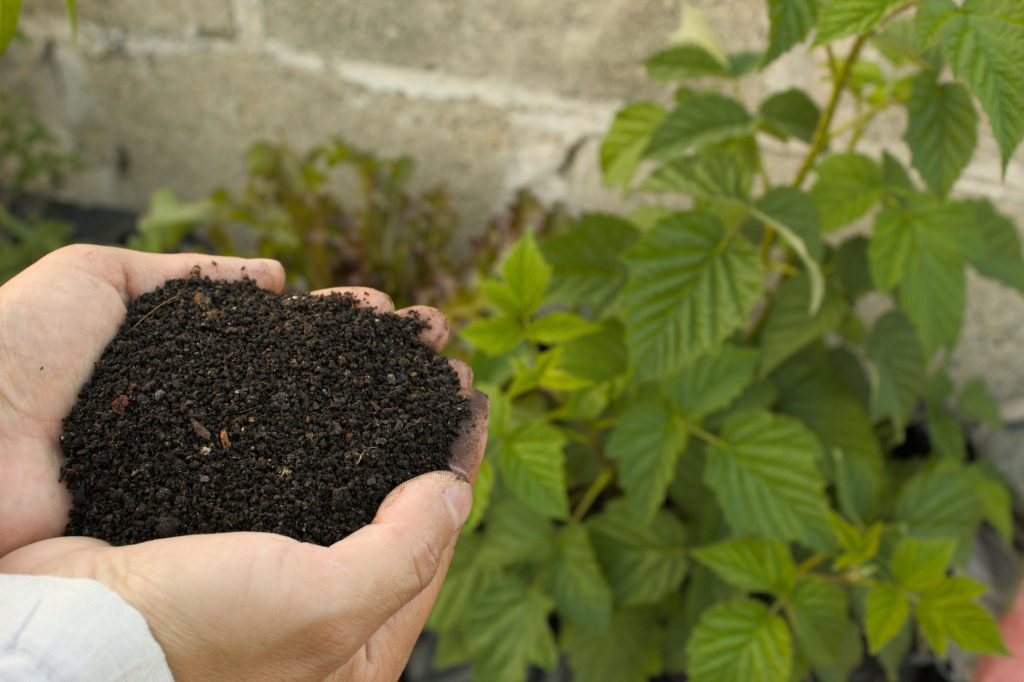
Organic fertilizer starts working best when the soil is ready to work with it.
That is one of the most important things to understand in May. A bag of organic fertilizer may contain nitrogen, phosphorus, potassium, calcium, and other useful nutrients, but those nutrients do not always become available to plants the same way a highly soluble synthetic fertilizer does. Organic fertility depends heavily on soil biology, moisture, temperature, oxygen, particle size, and placement.
That is why May is such an important month for organic gardeners, small farms, landscapers, and homeowners trying to build healthier soil.
In April, many soils are still cool. Microbial activity is slower. Roots are waking up. Organic fertilizers may sit longer before releasing nutrients at a pace plants can use. By May, soil temperatures usually begin rising across much of the United States. Roots become more active. Microbes become more active. Organic materials begin breaking down more consistently.
That does not mean organic fertilizer becomes instant. It means the soil system is finally in a better position to use it.
Penn State Extension explains that nitrogen from organic matter becomes plant-available through mineralization, a microbial process affected by soil temperature, moisture, oxygen, soil microorganism populations, timing, incorporation, and the composition of the organic material. Mineralization slows in cold soil, dry soil, or waterlogged soil because microbial activity slows under those conditions.
That is the practical reason May matters. Organic fertilizer needs living soil activity to do its best work, and May is when that activity often begins to pick up.
A lot of people describe organic fertilizer as “slow-release fertilizer.” That is partly true, but it does not tell the whole story.
Organic fertilizers are usually made from once-living materials: fish, shellfish, poultry manure, feather meal, blood meal, bone meal, plant residues, composted materials, and similar sources. The nutrients in those materials are often tied up in organic forms. Soil organisms help break those materials down and convert nutrients into forms that roots can take up.
University of Minnesota Extension notes that organic fertilizers are carbon-based and derived from living organisms, and that soil microorganisms transform organic nutrients into plant-available forms over days to weeks.
That process gives organic fertility a different personality in the field or garden.
It is less about a fast push and more about building a feeding rhythm. Instead of trying to force plants with a high-salt, quick-release application, organic products often support steady nutrient release as soil biology works. That can be valuable in gardens, lawns, flower beds, orchards, perennial plantings, and small farms where long-term soil function matters.
But organic does not mean careless.
Utah State University Extension cautions that organic fertilizers vary in nutrient concentration and release rate, and that improper organic fertilizer application can still cause nutrient imbalance, pollution, toxicity, or salt burn.
That is an important point. Organic fertility is practical and valuable, but it still requires rate, timing, and placement.
In May, soil temperature is one of the biggest differences between a successful organic fertilizer application and a disappointing one.
A garden bed may look ready from the surface, but if the root zone is still cool, organic nutrient release will be slower. Microbes do not work at the same speed in cold soil that they do in warm soil. A tomato, pepper, squash, flower, or lawn may not respond immediately to organic fertilizer if the soil has not warmed enough for biological activity.
Oregon State University Extension explains that organic fertilizers often need to be converted into plant-available forms by soil microbes, and that this takes time, especially in cold soil when microbial activity is low.
That is why gardeners sometimes apply organic fertilizer early and wonder why the plants still look hungry. The product may not be wrong. The timing may just be early for the soil conditions.
May usually improves that situation. As the soil warms, microbial activity increases, roots grow faster, and organic nutrient release becomes more useful. This is especially true in raised beds, sandy soils, dark soils, and well-drained areas that warm earlier. Heavy clay, shaded beds, mulched ground, wet areas, and low spots may lag behind.
This means two gardens in the same county can respond differently to the same organic fertilizer in May. Soil temperature, drainage, and root activity matter.
A practical way to think about it is this: organic fertilizer feeds through the soil system, not around it.
Organic fertilizer needs moisture to break down, but waterlogged soil slows the biology that makes organic fertility work.
That is one of the contradictions growers deal with in May. Spring rains can be useful because they help dissolve, settle, and move nutrients into the soil. But saturated soil reduces oxygen, and oxygen is necessary for the aerobic microbial activity that drives much of nutrient cycling.
Penn State Extension notes that mineralization is slower when soil is dry or waterlogged, because the soil organisms involved are less active under those conditions.
This is why watering in organic fertilizer matters, but overwatering does not help.
If organic fertilizer sits dry on the surface, microbial breakdown can be slow. If fertilizer is incorporated lightly into moist soil, soil organisms have better access to it. If the soil is saturated, roots and microbes both struggle.
May applications should be timed for workable moisture. The soil should be damp enough to support biological activity, but not so wet that it smears, compacts, or stays oxygen-starved. In a garden, that means applying and watering in after planting or during early growth, not dumping fertilizer into cold mud. In lawns, it means applying ahead of gentle irrigation or rainfall, not before a heavy storm that could wash nutrients away. In landscape beds, it means keeping mulch and irrigation balanced so fertilizer is not sitting dry under bark or floating in saturated soil.
Organic fertility works best in soil that is alive, moist, and breathing.
Organic fertility is not only about the NPK number on the label.
The NPK number is useful because plants need nitrogen, phosphorus, and potassium. But organic products often contribute carbon-based material that supports microbial activity, soil aggregation, moisture behavior, and long-term soil function.
Penn State Extension explains that soil organic matter improves fertility, soil structure, and biological activity, even though it often makes up a small percentage of agricultural soil.
That matters in May because spring planting exposes weak soil quickly. A bed with low organic matter may crust after rain, dry too fast, or compact easily. A lawn with poor soil structure may green up after fertilizer but stay shallow-rooted. A flower bed may need constant watering because the soil does not hold moisture evenly. A vegetable crop may show uneven growth because nutrients and water are not being held in the root zone.
Organic fertilizers do not rebuild soil overnight. But used consistently and correctly, they can be part of a soil-building program.
That is the value of products such as Organic Seafood Fertilizer 6-7-2, 4-3-2 Nutri-Proganic Granular, and 8-2-4 Nutri-Proganic. Each one supplies plant nutrients, but each also fits into a larger conversation about soil condition, biological activity, and steady feeding.
Organic Seafood Fertilizer 6-7-2 is a strong May fit because it provides a balanced organic nutrient profile from fish, crab, and shrimp byproducts, along with calcium. Supply Solutions lists the product as a 6-7-2 fertilizer with 14.5% calcium, suitable for vegetables, berries, fruit trees, herbs, flowers, and lawns, and recommends it during planting or as a top-dress booster.
That combination makes sense for May.
Nitrogen supports early growth and foliage. Phosphorus supports roots, early establishment, and bloom development. Potassium supports plant strength and water regulation. Calcium supports cell wall strength and is especially important for fruiting crops like tomatoes and peppers.
The product solves a real spring problem: plants need broad organic nutrition during establishment, but the grower may not want to rely on a quick synthetic push. Organic Seafood Fertilizer provides a slower, soil-friendly feeding pattern while also contributing calcium.
The timing is important. It can be used during planting when beds are being prepared, or as a top-dress booster during the growing season. In May, that makes it useful for vegetable gardens going into active growth, flower beds being installed, fruiting crops preparing for bloom, and lawns needing organic feeding.
For tomatoes and peppers, the calcium is especially relevant before blossom end rot appears. Calcium alone does not prevent blossom end rot if watering is inconsistent, but starting the calcium conversation in May is better than waiting until damaged fruit shows up. For flowers, the phosphorus and potassium help support roots and blooming potential. For lawns, the organic nutrients can support growth while contributing to the soil system.
The practical caution is placement. Work it into soil where appropriate, or top-dress according to directions and water it in thoroughly. Do not leave organic fertilizer sitting dry on the surface and expect fast response. The soil biology needs moisture and contact.
4-3-2 Nutri-Proganic Granular is another strong May product because it provides moderate organic fertility from chicken manure in a form that fits gardens, lawns, and food crops. Supply Solutions describes the product as an organic chicken manure fertilizer with a 4-3-2 analysis, designed to support photosynthesis, blooming, root strength, resilience, soil quality, pH balance, and regular plant nourishment.
The lower nutrient analysis is not a weakness. It is part of the fit.
In May, many plants need steady feeding rather than aggressive feeding. New transplants, seeded beds, early flowers, herbs, lawns, and perennial plantings often benefit from moderate nutrition that builds as soil warms. A product like 4-3-2 Nutri-Proganic Granular can help maintain the soil’s feeding capacity without overwhelming tender roots.
The problem it solves is low background fertility and weak soil support. Many garden beds have been worked repeatedly. Some lawns have been managed only with quick-release nitrogen. Some landscape beds have poor soil structure because they were installed over disturbed soil. Organic manure-based fertility can help support a more active soil system as temperatures rise.
The best timing is during bed preparation, early May planting, or early-season feeding when plants are beginning active growth. It should be applied evenly and watered in. In gardens, light incorporation can improve contact with the active soil zone. In lawns, even spreading and watering help move nutrients toward the root zone.
This product fits gardeners and landscapers who are not just chasing immediate color. It fits people trying to build a more reliable root environment.
Sometimes May plants need a little more nitrogen.
A vegetable bed may be pale after a wet spring. Annual flowers may need to build foliage before carrying bloom. A lawn may need organic nitrogen support as growth accelerates. A garden with heavy feeders may need a stronger organic product than a 4-3-2.
That is where 8-2-4 Nutri-Proganic fits.
Supply Solutions lists this product as an organic granular fertilizer with an 8-2-4 analysis, made with organic nutrient sources including blood meal, dried poultry waste, and feather meal. The product page describes it as supporting nitrogen-driven photosynthesis, plant growth, flowering, root strength, microbial activity, soil structure, and water retention.
The higher nitrogen level makes it useful for May growth when the plant is ready to use nitrogen. It fits vegetables, flowers, lawns, and garden beds that need stronger organic feeding during active growth.
The problem it solves is weak spring growth where nitrogen is part of the limitation, but the grower still wants an organic fertilizer approach. It can help crops that are ready to grow but need more nutrition than lower-analysis organic products provide.
The timing is after the soil is warm enough and plants are actively growing. That matters. If the soil is cold, dry, or saturated, organic nitrogen release will slow. If a transplant has not begun rooting, stronger feeding may not be useful yet. If a plant is yellow because roots are waterlogged, the first correction is soil condition, not more nitrogen.
The caution is that 8-2-4 should still be handled thoughtfully. Organic nitrogen can still be overapplied. Tender roots can still be injured if fertilizer is concentrated too close. Heavy nitrogen, even from organic sources, can still push excess foliage on crops that need balance.
Use it when the crop stage calls for stronger growth, not simply because it is May.
Placement affects how quickly organic fertilizer begins working.
Organic nutrient sources left dry on the surface break down more slowly. Soil organisms are most active where organic material, moisture, oxygen, and roots meet. Penn State Extension notes that organic nutrient sources left on the soil surface mineralize more slowly because of drying, while incorporation into the top 6 to 8 inches can speed mineralization because that is where many organisms involved in the process are active.
That does not mean every application should be deeply tilled. Deep incorporation can place nutrients below the most active biological zone, and unnecessary tillage can harm soil structure. The point is to place organic fertilizer where roots and soil organisms can access it.
For vegetable beds, that may mean lightly incorporating fertilizer before planting. For transplants, it may mean mixing fertilizer into the bed rather than dropping a concentrated pile directly under the root ball. For established plants, it may mean top-dressing around the drip line and watering well. For lawns, it means spreading evenly and irrigating. For mulched beds, it may mean pulling mulch back, applying fertilizer to the soil surface, watering in, and replacing mulch.
The more contact organic fertilizer has with moist, biologically active soil, the better it works.
One of the most common mistakes with organic fertilizers is expecting them to behave like soluble rescue fertilizers.
If a plant is severely nitrogen deficient today, a slow mineralizing organic product may not green it up tomorrow. If a tomato is already showing blossom end rot, adding an organic calcium source may help the long-term program, but it will not repair damaged fruit. If a lawn is yellow from waterlogged roots, organic fertilizer will not make oxygen return to the soil.
Organic fertilizers are strongest when used preventively and steadily.
That is why May is such a good month for them. The season is still early enough to build a feeding pattern before peak summer demand. Soil is warming enough for biology to respond. Roots are growing. Moisture is often available. Plants are not yet under the full stress of July heat.
A product like Organic Seafood Fertilizer 6-7-2 can help build a broad nutrient base for vegetables, flowers, lawns, and fruits. 4-3-2 Nutri-Proganic Granular can support moderate feeding and soil quality. 8–2-4 Nutri-Proganic can provide stronger organic nitrogen support where active growth needs it.
Each product works better when applied before the plant is in crisis.
Organic fertility and moisture management should not be separated.
Microbes need moisture, roots need moisture, and nutrients move best when the soil is not swinging between dry and saturated. Mulch can help by reducing surface drying, moderating soil temperature, reducing crusting, and limiting weed competition. But mulch can also interfere with fertilizer contact if fertilizer is simply thrown on top and left there.
For gardens and landscape beds, pull mulch back before applying granular organic fertilizer. Apply the product to the soil, lightly work it in if appropriate, water it thoroughly, and then return mulch around the plant. Keep mulch away from stems and trunks.
For lawns, water after application so nutrients begin moving into the root zone. For containers, make sure the potting mix is moist before feeding. Do not apply fertilizer to a dry, stressed container and expect roots to respond well.
May soil can dry faster than it looks, especially in raised beds, sandy soils, containers, and windy locations. Organic feeding should follow moisture checks, not guesswork.
Organic products improve many programs, but they do not remove the need to know what the soil already contains.
Some garden soils are already high in phosphorus from years of compost, manure, bone meal, or balanced fertilizer. Some lawns are low in potassium. Some beds need lime. Some soils have pH issues that limit nutrient availability. Some containers need regular liquid feeding because the media holds little nutrition. Some field soils need a specific nutrient correction that a general organic product may not provide.
Utah State University Extension recommends soil testing every two to three years for gardens and landscapes, and more often when problems occur, because nutrient needs vary widely depending on soil conditions, previous fertilizer and organic matter additions, and the plants being grown.
That guidance matters with organic fertilizers because they still contain real nutrients. Repeated organic fertilizer applications build nutrient history in the soil. That is often helpful, but it can also create excesses if nothing is measured.
A good organic program is not “apply more because it is organic.” It is “apply what the soil and crop can use.”
Vegetable gardens are one of the best places to use organic fertilizer thoughtfully.
In May, gardeners are planting tomatoes, peppers, cucumbers, squash, melons, beans, corn, herbs, flowers, and warm-season greens. Many of these crops start slowly in cool soil, then take off once warmth and moisture line up. Organic fertilizer fits that pattern because its nutrient release also increases as biological activity improves.
For general garden feeding, Organic Seafood Fertilizer 6-7-2 works well where growers want NPK plus calcium for vegetables, fruits, herbs, and flowers. It is especially relevant for tomatoes and peppers because calcium support should begin before fruit problems appear.
For beds that need steady moderate fertility, 4-3-2 Nutri-Proganic Granular can be used as part of bed preparation or early-season feeding. It fits mixed vegetable beds where the goal is slow, soil-based nutrition.
For stronger growth, 8-2-4 Nutri-Proganic fits heavy-feeding vegetables or beds where nitrogen is needed during active May growth.
The crop stage matters. Newly transplanted peppers in cool soil should not be forced. A tomato that has rooted and is growing can use more nutrition. Squash and cucumbers may respond quickly once warm. Beans do not need the same nitrogen push as corn. Leafy crops usually need more nitrogen than root crops.
Organic fertility still needs crop judgment.
Lawns often respond more slowly to organic fertilizer than to soluble nitrogen, but that does not make organic feeding less valuable.
Organic lawn products can support turf growth while contributing to soil organic matter and biological activity. The tradeoff is that response depends on soil temperature and moisture. A lawn fed organically in cool early spring may not green as quickly as one fed with soluble nitrogen. A lawn fed organically in May, when soil is warmer and growth is active, is often better positioned to respond.
4-3-2 Nutri-Proganic Granular fits lawns that need moderate organic feeding and soil support. 8-2-4 Nutri-Proganic fits lawns that need a stronger organic nitrogen push during active growth. Organic Seafood Fertilizer 6-7-2 can also fit lawn programs where broader organic nutrition and calcium are useful.
The lawn should be mowed correctly, watered properly, and not compacted. Organic fertilizer will not fix a lawn that is scalped every week or growing over sealed soil. Fertility works best when the turf has enough leaf surface to photosynthesize and enough root environment to take up nutrients.
May organic lawn feeding should build steady density, not a weak flush.
Annuals and perennials often look good in May because weather is still moderate. The real test comes when temperatures rise.
Organic fertility can help flower beds build roots and steady growth before summer stress arrives. Organic Seafood Fertilizer 6-7-2 fits flower beds where growers want roots, blooms, foliage, and calcium support. 4-3-2 Nutri-Proganic Granular fits beds that need moderate, steady feeding. 8-2-4 Nutri-Proganic fits stronger growth where foliage and bloom support need more nitrogen.
The mistake is applying organic fertilizer and then letting beds dry out. Flowers in dry soil cannot use nutrients well. Mulch helps, but fertilizer should make soil contact. Watering should be deep enough to encourage roots, not just dampen the surface.
A flower bed that is fed steadily in May is better prepared for June and July.
Organic fertilizer is not a one-day fix. It is a management style.
The best results usually come from repeated, thoughtful applications over time, paired with soil testing, moisture management, compost or organic matter practices, mulch, crop rotation, reduced compaction, and attention to plant stage.
That is why May is a good starting point. The soil is waking up. Roots are active. Microbes are beginning to cycle nutrients faster. Plants are entering the season’s first major demand period.
Apply organic fertilizer when the soil can use it. Water it in. Place it where roots and microbes are active. Match the product to the crop stage. Do not overapply just because the product is organic. Watch the plant’s response and adjust.
Organic fertility works with the soil, and the soil works on its own timeline.
For May gardens, lawns, flower beds, and small farms, Supply Solutions offers organic products that fit different needs. Organic Seafood Fertilizer 6-7-2 provides balanced organic NPK plus calcium for vegetables, fruits, flowers, herbs, lawns, and fruiting crops. 4-3-2 Nutri-Proganic Granular supports moderate slow-release feeding and soil quality. 8-2-4 Nutri-Proganic fits stronger organic spring growth when plants are actively growing and need more nitrogen support.
The strongest organic programs are practical. They do not chase instant results or rely on guesswork. They match fertilizer to soil temperature, moisture, root growth, and crop stage. Used that way, organic fertility in May helps build the kind of root zone that can keep feeding plants after the easy spring weather is gone. Contact Supply Solutions for help choosing the right organic fertilizer for your soil, crop, lawn, or landscape before the season gets harder.
Clay soil can be some of the most productive soil a grower will ever work with. It can hold nutrients. It can hold moisture. It

A greener May lawn does not start with the mower. The mower shows the result, but the real work is happening underneath the turf. Roots
Give us a call or visit our store, and we’ll help you find the right solution for your business.
© Supply Solutions LLC 2025