

Uncategorized
What Fertilizer Should You Use If Your Soil Test Is Delayed?
It happens more often than expected. You’re ready to plant, conditions are lining up, but your soil test results aren’t back yet. Maybe they’re delayed,
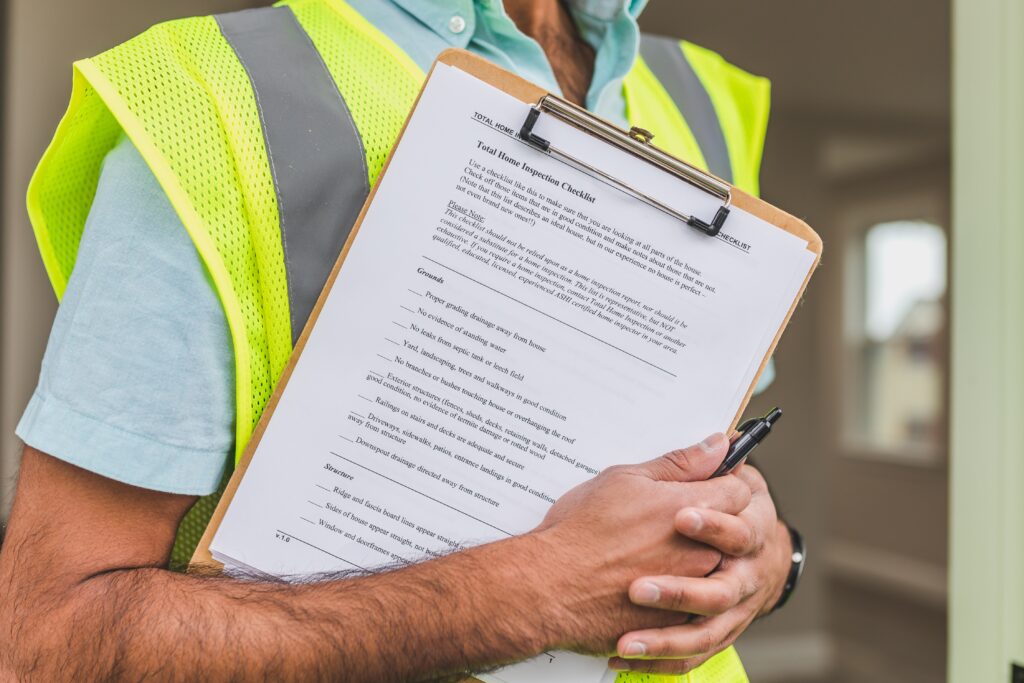
If you know what you exactly need, safety vests are straightforward, but without proper information, you might be investing in the wrong kind. It may look like they are the same but the Department of Transportation (DOT) and the Occupational Safety and Health Administration (OSHA) will tell you otherwise. The ANSI (American National Standards Institute) have a breakdown of types and classes to help you understand and invest in the right safety vest.
What are the Types of Safety Vests?
There are 3 general types and each type is categorized into 3 classes:
For our blog, we are focusing mainly on Type O and R safety vests. This type and class system is not limited for vests but also includes all HVSA (High Visibility Safety Apparel), for example high visibility jumpsuits, hi-vis pants, jackets etc..
What is a Class 1 Safety Vest?
This is straightforward. Class 1 is the only HVSA Type O safety vest and has the lowest required amount of high visibility material.
This class of safety vests are for the lowest risk areas. For example, workers that are working in a safe distance from the active roadway, but still has the potential for an incident. Usually, they have a yellow or orange background, have a minimum of 155 square inches of reflective strips. They are lightweight and sleeveless.
This safety vests are worn for work conditions that has no vehicles travelling at highway speeds. It is suggested to be used where traffic is travelling for no more than 25 miles per hour. The background of this vests should not be visually complex, as stated on the ANSI documentation.
Work Conditions That May Require Class 1 Vests Include:
What is a Class 2 Safety Vest?
The industry rule of thumb is to require the use of these vests on worksites that have traffic flow that has 25 mph to 50 mph. These safety vests are noticeable during day and night time compared with class 1 safety vests.
Class 2 safety vests are larger that class 1 vests. Class 2 vests include a specific amount of background material. In order to be a class 2 vest, it must have at least 775 square inches of safety yellow or safety orange background material into it. Also, there must be no less that 201 square inches of reflective striping across the vest because these are required for roadway and traffic zones where traffic is moving at 50 miles per hour.
Work Conditions That May Require Class 2 Vests Include:
What is a Class 3 Safety Vest?
Class 3 (Type R) HVSA safety vests have the highest material requirements compared to previous classes. The rule of thumb is whenever the worksite has traffic travelling over 50 mph, class 3 safety vests are worn.
Class 3 safety vests are required for hazardous work environment and where visibility is of high importance. Class 3 vests have the most retroreflective striping as well as the most background material. In most cases, these vests are sleeveless. At the minimum, these vests must have 1,240 square inches of safety yellow or safety orange background and at least 310 square inches of reflective striping.
Workers That Require to Wear Class 3 Vests Include:
How Much Do Safety Vests Cost?
Depending on the supplier, safety vests can range from a few dollars towards simple designs to several hundred dollars for vests with reflective tape and multiple features. Class 1 vests are typically the least expensive because they have the fewest amount of safety material. This goes that, as the material requirements increase, the price for the safety vests also increases.
Note that flame and wear resistant vests are more expensive than those that do not have extra durability features.
Work safety is of utmost importance here at My Solutions Supply. Our team are more than happy to help you find the right safety vest at a cost-effective solution in preventing potential hazards due to poor visibility on your worksite. Contact us now!
It happens more often than expected. You’re ready to plant, conditions are lining up, but your soil test results aren’t back yet. Maybe they’re delayed,
Starting a crop for the first time brings a different kind of pressure. There’s a lot of information, a lot of opinions, and not always
Give us a call or visit our store, and we’ll help you find the right solution for your business.
© Supply Solutions LLC 2025