

Uncategorized
What Fertilizer Should You Use If Your Soil Test Is Delayed?
It happens more often than expected. You’re ready to plant, conditions are lining up, but your soil test results aren’t back yet. Maybe they’re delayed,
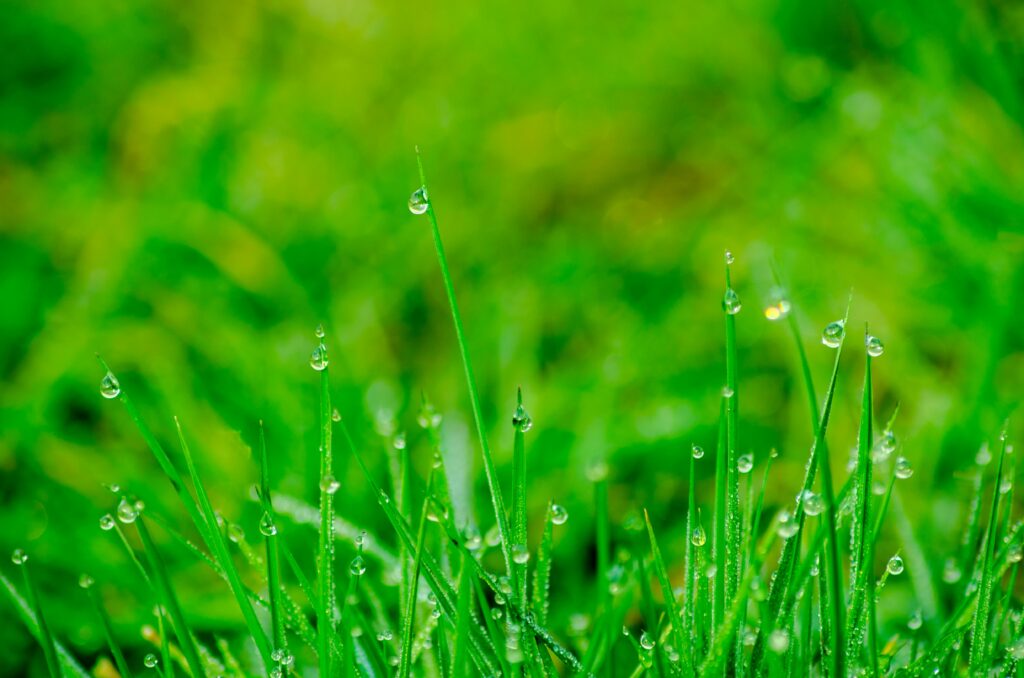
Even if the groundhog forecasts six additional weeks of winter by seeing his shadow, the arrival of an early spring after a prolonged, chilly season is always a delightful change. With each passing day, sunlight lingers a little longer, prompting thoughts of spending more time outdoors engaged in home improvement tasks, gardening endeavors, and relishing your yard.
Is it premature to contemplate spring lawn care? Absolutely not. Whether your lawn features warm-season grasses or cool-season varieties, both are emerging from dormancy. The initial signs of spring signal the perfect opportunity to commence preparations for nurturing a verdant, robust lawn.
Begin your journey with these six spring lawn care suggestions:
Following the completion of overseeding, it’s crucial to provide extra attention to ensure the new seeds establish and blend seamlessly with the rest of your lush, green lawn. Part of this process involves applying fertilizer to nourish the newly planted grass seeds.
We recommend opting for a fertilizer containing a pre-emergent herbicide in early spring, once the seeds have taken root, to deter the growth of weeds like crabgrass. Additionally, fertilizer can promote overall lawn health. Once the new seeds display healthy growth, you might consider using a fertilizer containing post-emergent herbicides on your existing grass to control weed growth.
While raking may seem reserved for autumn, it holds significance in springtime too. It’s essential to rake your yard during this season to eliminate any remaining leaves and loose grass blades. Raking also aids in loosening patches of dead grass, potentially including layers of thatch.
But what exactly is lawn thatch? It’s a layer of deceased grass that serves a protective function during the cold months, shielding your lawn from winter’s harsh conditions.
However, this protective layer can become problematic when temperatures rise, especially if the thatch exceeds one inch in thickness. At this point, it fosters a favorable environment for fungi or pests. Hence, it becomes necessary to undertake “dethatching,” the process of removing these areas of dead grass, which can be easily accomplished with a standard rake. This period also presents an ideal opportunity to clear your yard of twigs and any other debris.
Address those small bare patches in your lawn through overseeding, a process involving the distribution of grass seed over the existing lawn in areas requiring rejuvenation. Ensure adequate fertilization and maintain consistent watering of the overseeded areas during the warm spring and summer seasons.
If certain sections of your lawn appear compacted, it might be time to aerate. This process involves creating perforations across the affected area, allowing water and air to penetrate the grassroots and reach the soil. How can you determine if aeration is required?
Compacted areas of lawn can result from heavy snowfall. Look for areas with worn-down or bare patches, as well as patches of thinning or discolored grass—these are indicators that aeration is needed. Utilizing a basic lawn aerator tool can effectively address this issue.
Before embarking on the season’s first mow, ensure your lawn mower is in optimal working condition. Avoid discovering issues, such as needing a new spark plug, when you’re ready to trim the grass. At the very least, consider having the mower blade sharpened at the onset of each mowing season.
A dull blade can tear rather than cleanly cut the grass, potentially leading to disease. Once your lawn reaches an appropriate height for mowing, maintain a high blade setting. Aim to trim no more than one-third of the grass length. Keeping the lawn at a height of 3-4 inches fosters deeper root growth, which aids in weed prevention.
We’re familiar with the adage, “The grass is always greener on the other side of the fence.” But in reality, the grass thrives where you water it. Even if your lawn looks lush and vibrant, how do you determine when it requires watering? Conduct the bounce-back test.
Take a step onto your lawn and observe how swiftly the grass blades spring back up. If they take longer than usual to recover or fail to rebound at all, it’s a clear sign that your lawn needs watering. The most efficient methods for watering your lawn include using sprinklers or installing an irrigation system.
If you find the tasks outlined in this spring lawn care regimen appealing but lack the time or inclination to tackle them yourself, consider reaching out to us. We have the knowledge of this topic and can offer lawn care solutions to suit every budget and requirement. Discover the plan that best aligns with your needs and let us take care of the rest.
It happens more often than expected. You’re ready to plant, conditions are lining up, but your soil test results aren’t back yet. Maybe they’re delayed,

Starting a crop for the first time brings a different kind of pressure. There’s a lot of information, a lot of opinions, and not always
Give us a call or visit our store, and we’ll help you find the right solution for your business.
© Supply Solutions LLC 2025