

Uncategorized
What Fertilizer Should You Use If Your Soil Test Is Delayed?
It happens more often than expected. You’re ready to plant, conditions are lining up, but your soil test results aren’t back yet. Maybe they’re delayed,
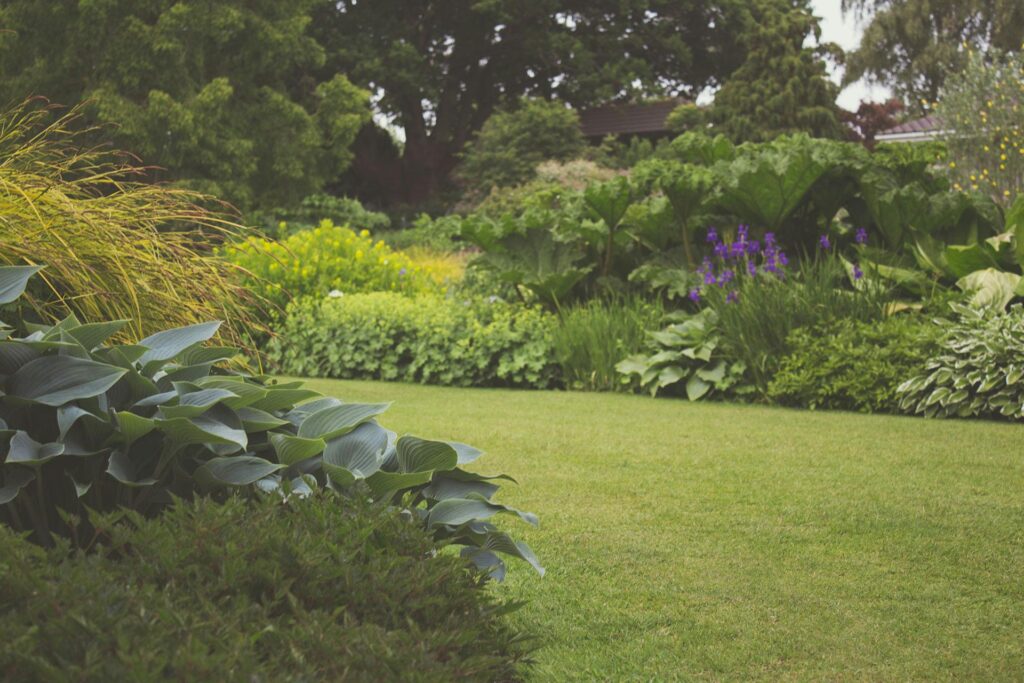
As spring breathes new life into your surroundings, it’s the perfect time to rejuvenate your outdoor space. If the winter months have left your lawn in disarray, implementing these spring lawn care tips will revitalize your yard and establish a robust groundwork for the seasons ahead.
Getting Back to Basics
For those naturally inclined to nurture their lawns, the intricacies of turf care may already be second nature. However, for those just embarking on their gardening journey, it’s essential to start by identifying the specific type of grass blanketing your landscape. This knowledge serves as a cornerstone, guiding decisions ranging from appropriate mowing heights to watering frequencies and the timing of essential tasks like fertilization and aeration.
Consider, for instance, the distinct behavior of warm-season grasses, which typically experience vigorous growth towards late spring or early summer. This makes the midpoint of spring an ideal window for nourishing and fertilizing your lawn. Conversely, cool-season grasses thrive on fall fertilization, setting the stage for vibrant greenery as spring unfolds its splendor.
Granted, the arrival of spring varies significantly across regions, with the Northeast and Midwest offering vastly different conditions compared to the South or the West Coast. Grass growth doesn’t adhere strictly to a monthly timetable, and temperature fluctuations play a pivotal role in dictating growth spurts and periods of dormancy. It’s crucial to recognize that soil temperature, which changes at its own pace relative to the air, serves as the most reliable indicator of your lawn’s seasonal rhythms.
Here’s a handy spring lawn care tip: Every lawn thrives with diligent weed management and pest control. However, the types of invasive plants and bothersome insects can vary depending on your geographical location and the grass species you have. Capture images of these unwelcome visitors in your yard, conduct online research, or seek guidance from specialists at your nearby gardening outlet to determine the most effective methods and tools for maintaining your lawn’s immaculate condition.
Rejuvenate with Reseeding and Resodding
After enduring months of snow and frozen ground, your lawn may show signs of wear and tear. To address issues like dead patches or bald spots, prevention is key. Overseeding before the onset of winter is a proactive measure to counter the adverse effects of cold temperatures and reduced sunlight and nutrients. The timing for overseeding varies based on the grass type you have, but it serves as a valuable maintenance step as well. It proves beneficial in areas with limited sunlight, such as shady spots, or in high-traffic zones prone to turf damage.
Missed the window for overseeding last season? If your lawn appears particularly worn out, laying sod can work wonders in restoring its lush green appearance. Spring presents an opportune time for sod installation, ideally before the onset of heavy rains. Dry weather facilitates deeper root penetration for sod seeds into the soil, ensuring consistent watering once rainy weather sets in.
Addressing a Waterlogged Yard
To minimize damage caused by a waterlogged yard post-storm or heavy rainfall, it’s crucial to adopt a hands-off (and feet-off!) approach:
Furthermore, survey your property for areas where water accumulation or damage is pronounced to pinpoint necessary interventions. These may involve enhancing drainage systems, leveling affected spots, or opting for resodding if significant soil erosion has occurred. Gently remove heavy debris, silt, dead leaves, and decaying organic matter using a rake or hose, as they serve as breeding grounds for pests and harmful bacteria detrimental to your lawn’s health. While conducting your assessment, capitalize on the damp soil to aerate your lawn thoroughly. This practice not only proves more efficient but also fortifies root systems to withstand future storms, thereby enhancing overall lawn vitality.
Final Recommendations
Exercise patience and allow natural processes to unfold. The ultimate spring lawn care advice emphasizes the importance of allowing lawns adequate time for growth and natural transitions, avoiding undue haste in the process.
For more information on taking care of your lawns, please feel free to browse our fertilizer products or contact us!
It happens more often than expected. You’re ready to plant, conditions are lining up, but your soil test results aren’t back yet. Maybe they’re delayed,

Starting a crop for the first time brings a different kind of pressure. There’s a lot of information, a lot of opinions, and not always
Give us a call or visit our store, and we’ll help you find the right solution for your business.
© Supply Solutions LLC 2025