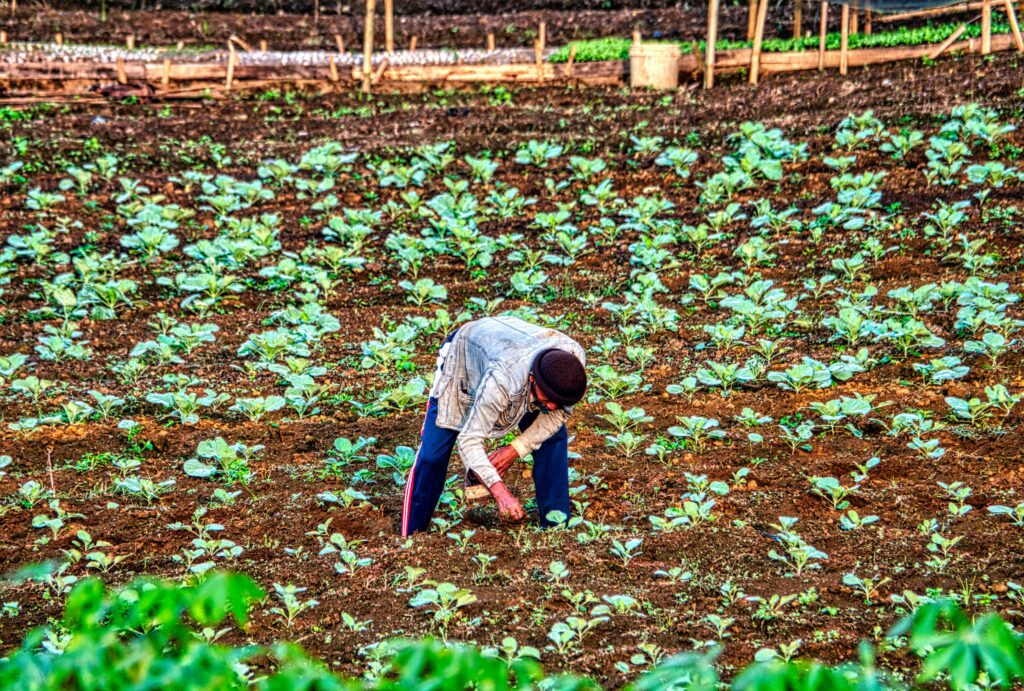
Gypsum has been utilized in agriculture for centuries as a soil amendment. This moderately soluble source of calcium and sulfur is essential for plant growth and overall soil health.
Benefits of Using Agricultural Gypsum
Gypsum offers numerous advantages for farmers, enhancing soil properties and supporting plant health. Here are the key reasons to incorporate gypsum into agricultural practices:
Gypsum enhances soil structure by breaking up compacted soil particles through flocculation. This process increases water infiltration rates, improves soil hydraulic conductivity, and boosts water storage capacity, leading to deeper root growth and better water-use efficiency.
Gypsum can decrease soil acidity, especially in subsoils, by alleviating aluminum toxicity. It can enhance acidic soils beyond the capabilities of lime treatments.
- Adds Nutrients to the Soil
As a source of calcium and sulfur, gypsum enriches soil fertility. It provides sulfate sulfur and calcium, which are crucial for seedling emergence and overall plant health.
- Reduces Runoff and Erosion
By enhancing the soil’s ability to absorb water, gypsum minimizes runoff and erosion. This helps reduce phosphorus runoff into water bodies.
- Remediates Sodic or Saline Soils
Gypsum is effective in revitalizing sodic or saline soils, promoting disease resistance in peanuts, and preventing blossom-end rot in watermelons, tomatoes, and bitter pit in apples.
Application Timing and Methods
Gypsum can be applied any time of the year, but it is most effective when used before planting or during fallow periods. It can be broadcasted over the soil surface or incorporated into the soil.
Types of Gypsum for Farming
Selecting the right type of gypsum depends on the specific needs of the soil.
Here are some options:
- Agricultural Gypsum Powder
These powders act as soil conditioners and fertilizers, enhancing soil structure and supplying calcium and sulfate sulfur.
Ideal for soil treatment in crops, bulk gypsum is effective in remediating sodic or saline soils.
Mined from geologic deposits, high-grade gypsum is a pure source of calcium and sulfur, beneficial for plant nutrition and soil structure improvement.
- Agricultural Gypsum vs. Lime
Gypsum is often preferred over lime for improving soil structure and adding nutrients. Unlike lime, gypsum provides both calcium and sulfur, essential for crop growth.
Economic Benefits of Agricultural Gypsum Use
The use of gypsum in agriculture is economically favorable, with benefits often outweighing the costs:
1. Historical Significance
In the late 1700s, Benjamin Franklin noted the effectiveness of gypsum in French agriculture and imported it for use on his farm, highlighting its longstanding economic value.
2. Potential Benefits
Gypsum improves soil structure, nutrient availability, and water infiltration rates, leading to higher crop yields and better water-use efficiency.
3. Farmers’ Experiences
Surveys indicate that most farmers find gypsum use profitable, with a mean benefit-to-cost ratio of 1.68, underscoring its economic impact.
Overall, agricultural gypsum is a proven resource that enhances soil structure, adds vital nutrients, and reduces runoff and erosion. Its application is particularly beneficial for heavy soils and in remediating sodic or saline soils, making it a valuable tool in sustainable agriculture.