

Uncategorized
What To Review Before Moving Into July Fertility Management
Late June is a useful moment to slow down and look at the whole growing system. By now, the season has enough history to teach
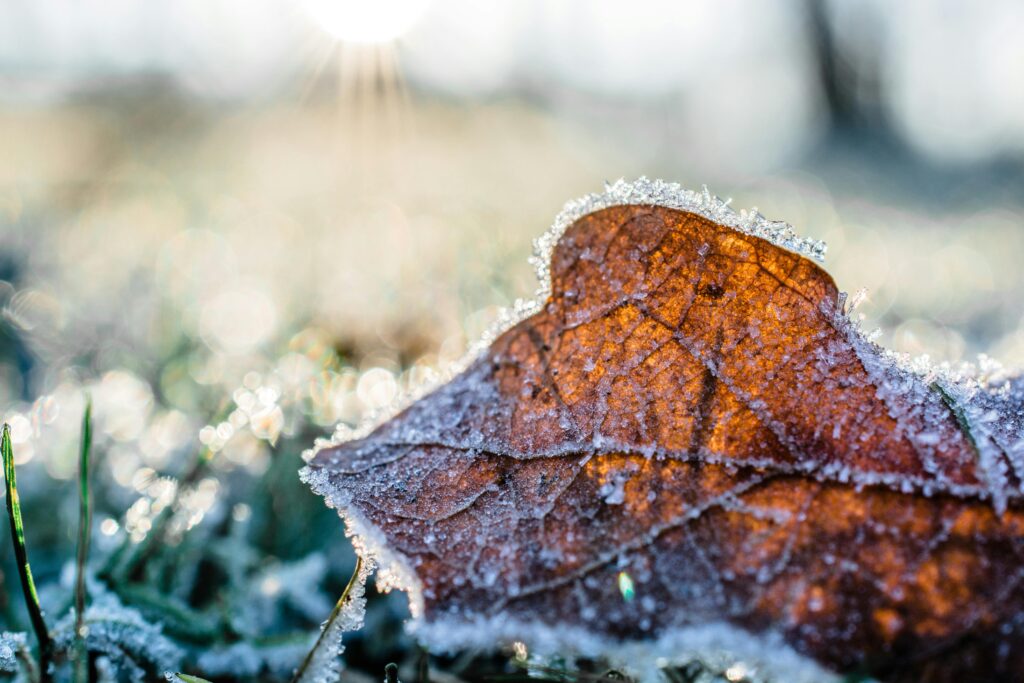
As the weather cools and the growing season winds down, many gardeners may be tempted to neglect their vegetable patches. However, preparing your vegetable garden for winter is crucial to maintaining soil health and ensuring a successful growing season next year. Without proper care, winter months can leave your garden vulnerable to weeds, disease, and dry soil. By following these simple steps, you can protect your garden and give it the best start for the next season.
Depending on your region, your final harvest might include hardy crops like carrots, cabbage, and spinach, or late-season produce like peppers and tomatoes. Gather what you plan to eat, and be sure to collect fallen or unused vegetables as well. Leaving rotting fruits and vegetables in the garden can attract pests and diseases, which will linger over the winter and cause problems when spring arrives.
Before winter sets in, do a final weeding and clear out any remaining plant debris. This includes removing supports like tomato cages and trellises, as diseases can stick to these structures and spread to the soil. Ensuring a clean garden bed will prevent weeds from taking over and help maintain a healthy environment for future planting.
Winter is a great time to rejuvenate your soil for next year’s planting. Add pre-winter fertilizers, compost, and soil amendments like bone meal, kelp, or manure to boost nutrient levels. Another excellent option is to plant cover crops such as oats, field peas, or oilseed radish, which help protect against erosion and add organic matter to the soil.
To keep the soil moist during the colder months, add a layer of mulch over your garden beds. Mulch not only preserves moisture but also protects the soil from freezing and drying out.
Perennials, like herbs and certain vegetables, can benefit from a good pruning before winter. Trim back the foliage and stems, leaving a few inches above the soil line. For tender perennials, such as rosemary, consider repotting them and bringing them indoors if you have a sunny space. Bulbs and delicate plants like dahlias should also be dug up and stored in a cool, dry place.
Additionally, mulching around the base of shrubs and trees helps insulate their roots, while wrapping trees with burlap can prevent freezing and damage. Installing tree guards can protect the bark from harsh winter conditions and animals.
Before you close up your garden for winter, take some time to reflect on the successes and challenges of the past season. Ask yourself questions like: What crops thrived? What gardening techniques worked best? Is there anything you learned that could improve next year’s garden? This reflection will help you make informed decisions when planning for the next growing season.
Even in the depths of winter, it’s never too early to start planning for the next season. Use the colder months to browse seed catalogs and plan your garden layout for the upcoming year. By January or February, you’ll have a clear vision and be ready to kickstart your spring planting.
Conclusion: Boost Your Garden’s Health with Pre-Winter Fertilizers
Taking the time to prepare your vegetable garden for winter ensures that it will be in prime condition when spring arrives. One of the most effective steps you can take is to apply a high-quality pre-winter fertilizer. Fertilizing before the ground freezes enriches the soil with essential nutrients that will strengthen plant roots, improve soil structure, and give your garden a head start for the next season. Don’t overlook the importance of winter fertilizers — they are an investment in a healthier, more productive garden year-round.
Late June is a useful moment to slow down and look at the whole growing system. By now, the season has enough history to teach
Late June is when lawns start showing the truth about summer management. A lawn may have looked strong in May. It may have greened up
Give us a call or visit our store, and we’ll help you find the right solution for your business.
© Supply Solutions LLC 2026