

Uncategorized
What To Review Before Moving Into July Fertility Management
Late June is a useful moment to slow down and look at the whole growing system. By now, the season has enough history to teach
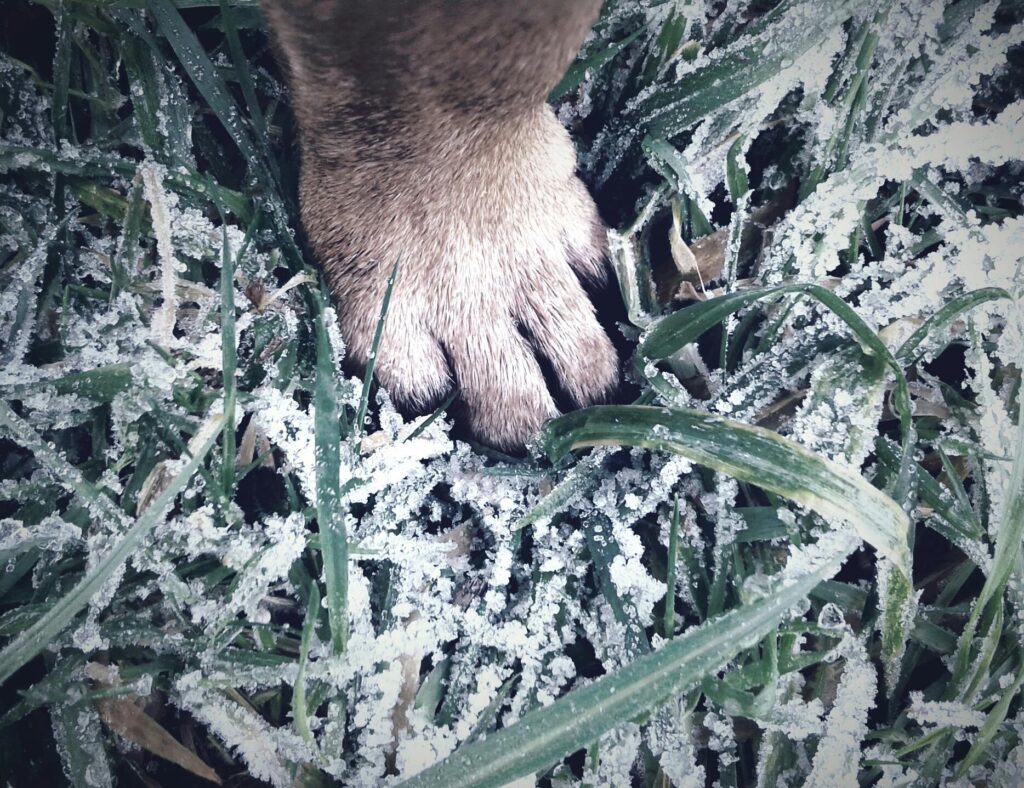
As winter approaches, preparing your lawn for the cold months is crucial to ensure its health and longevity. After enduring the summer’s intense heat, foot traffic, and threats from pests and diseases, your lawn may seem vulnerable. However, with a few simple steps, you can help your grass recover during autumn and prepare it for the harsh winter ahead.
Though your lawn may look lifeless and brown under a blanket of snow, its transition into winter dormancy is one of the most critical phases of its life cycle. Preparing your lawn now will not only protect it through the cold months but also promote faster, healthier growth when spring returns.
Thatch, a layer of dead grass on the soil surface, can protect your lawn in winter but also poses a risk. Excessive thatch traps moisture, leading to snow mold—a fungus that can cause unsightly brown patches when spring arrives. Dethatching your lawn before winter helps prevent this.
To dethatch, you can use a simple rake, or for larger lawns, consider renting or buying a dethatcher, a powered rake that quickly removes dead grass. However, be careful not to remove too much thatch, as some insulation is needed for the colder months. If you’re unsure, hiring a professional is a safe option.
Aerating your lawn is another great way to prevent snow mold. Core aeration, which removes small plugs of soil, loosens compacted areas and promotes healthier root growth. Aeration also improves soil’s ability to absorb water, air, and nutrients, helping your lawn withstand winter.
The pH level of your soil plays a crucial role in your lawn’s health. A slightly acidic to neutral pH of 6.5 to 7.0 is ideal for most grasses. You can test your soil using a DIY kit from a garden center.
If your soil is too acidic, adding wood ash can help raise the pH. If it’s too alkaline, sphagnum peat or fine mulch can lower the pH. Adjusting your soil’s pH ensures your grass gets the nutrients it needs to survive the winter.
Fall is one of the most effective times to deal with weeds. As temperatures drop, perennial weeds begin storing nutrients in their roots for winter. Applying herbicides or vinegar-based sprays at this time allows the poison to travel to the root system, effectively killing the weed.
For warm-season grasses, mowing can also help control weeds. Even though warm-season grasses go dormant as temperatures dip below 55°F, weeds may continue to grow. Mowing at the usual height will keep weeds from thriving.
While fallen leaves may seem harmless, they can suffocate your grass by blocking sunlight and trapping moisture, which creates an environment for lawn diseases like snow mold. Rake the leaves or use a mulching kit to chop them into small pieces that act as natural fertilizer for the grass.
Fertilizing before winter provides essential nutrients that strengthen your grass and prepare it for the long winter. However, it’s essential to choose the right fertilizer based on your grass type and soil conditions. Cool-season grasses benefit from nitrogen-rich fertilizers, while warm-season grasses typically don’t need fertilization in the fall.
Before fertilizing, test your soil’s pH to determine the right fertilizer for your lawn. Applying the wrong type can do more harm than good.
Dormant grass is more vulnerable to damage than during its active growing season. Stepping on grass in winter can break it, making recovery in spring more difficult. Even if the grass is covered in snow, it’s essential to avoid walking over the same areas repeatedly, as this compacts the soil and limits the grass’s ability to absorb water and nutrients.
Annual plants, which die off each year, can harbor insects and diseases if left in place. Before winter, remove the dead plants, including their roots, and dispose of them in the compost or trash.
Perennials may go dormant in the winter, but they still need protection. A layer of mulch around the base of these plants helps insulate the roots and keeps them healthy until they regrow in spring. If your area doesn’t receive much snow, consider adding mulch to your garden beds.
Leaving objects like furniture, toys, or equipment on the grass over winter can kill the grass underneath, leaving dead patches in spring. Make sure to remove anything covering the lawn before the first snowfall.
Fall is the best time to overseed cool-season grasses. Overseeding helps fill in bare spots, ensuring a lush, healthy lawn when spring arrives. For best results, overseed immediately after aeration, allowing seeds to settle into the soil and establish strong roots.
By taking the time to prepare your lawn for winter, you’ll ensure a healthy, vibrant landscape when spring returns. These steps, from dethatching and aeration to adjusting your soil’s pH, can make all the difference in how your grass withstands the cold months. Don’t forget to give your lawn the added boost it needs with the right fall fertilization and proper winter care.
Late June is a useful moment to slow down and look at the whole growing system. By now, the season has enough history to teach

Late June is when lawns start showing the truth about summer management. A lawn may have looked strong in May. It may have greened up
Give us a call or visit our store, and we’ll help you find the right solution for your business.
© Supply Solutions LLC 2026