Uncategorized
What To Review Before Moving Into July Fertility Management
Late June is a useful moment to slow down and look at the whole growing system. By now, the season has enough history to teach

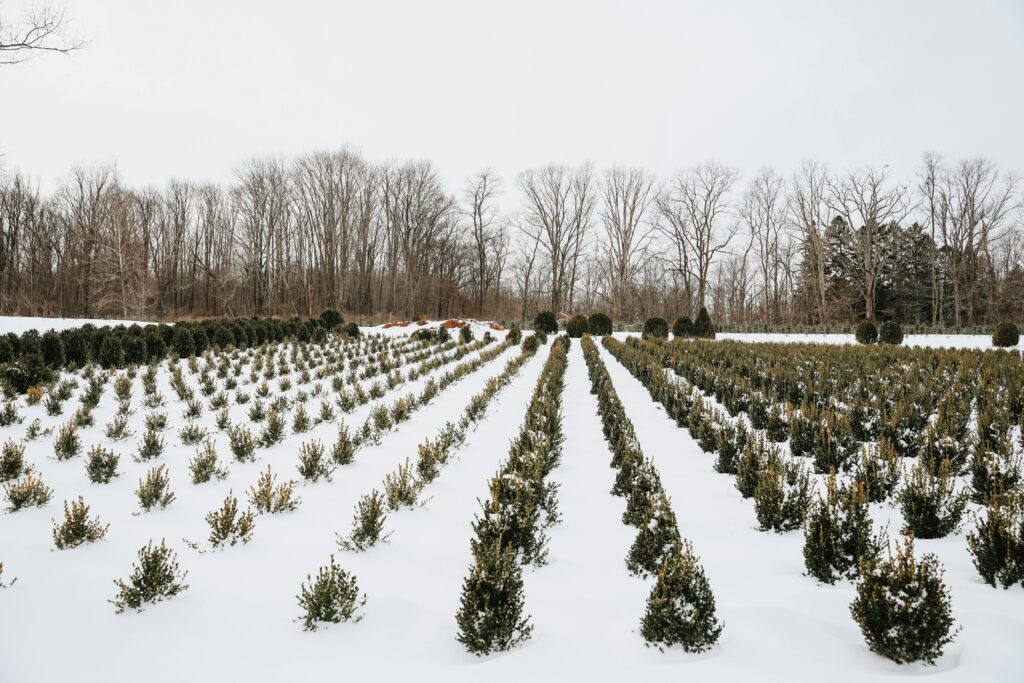
Fall is the perfect season to fine-tune soil health for your fruit crops. With cooler temperatures, it’s an ideal time to test soil, adjust pH levels, and apply the right fertilizers to set up for a successful spring. However, understanding what and when to apply is crucial to avoid issues that could affect your crops come winter.
If your soil pH needs adjustment—whether too high or too low—fall is an excellent time to make these corrections, particularly for fruit and vegetable crops. Soil amendments work best in cooler months, allowing the soil to absorb these changes fully by spring.
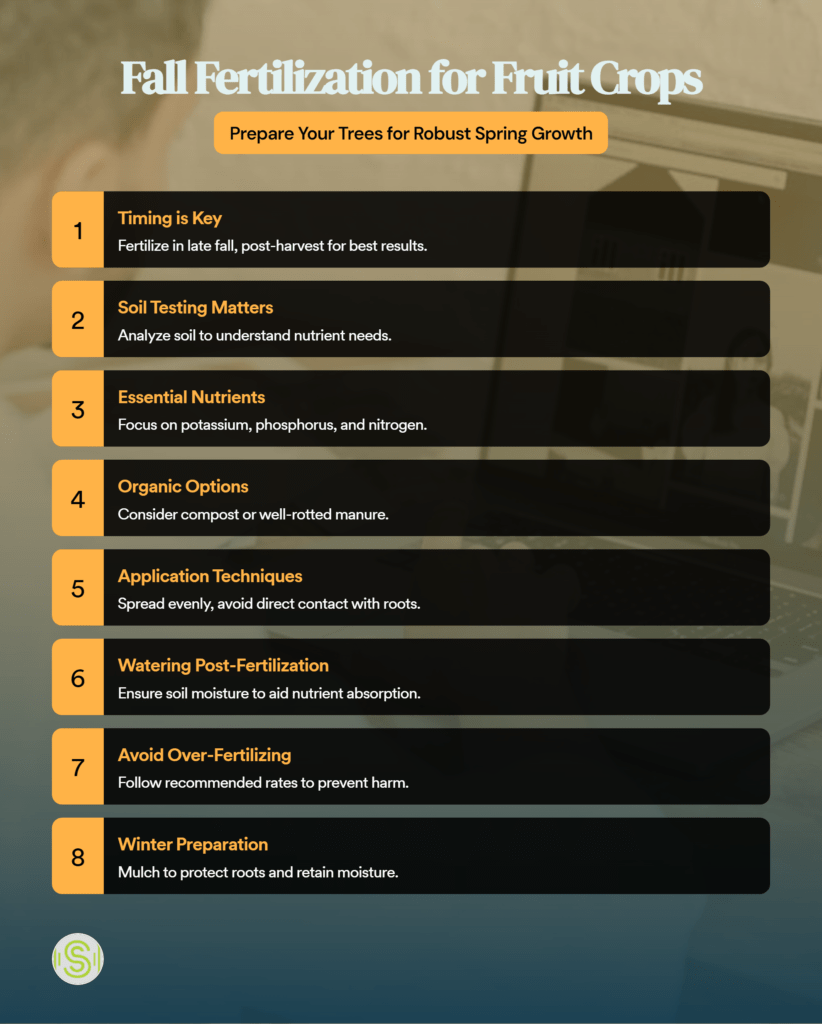
For most fruit crops, fall is a safe time to apply phosphorus (P) and potassium (K), but it’s best to avoid nitrogen-heavy fertilizers. Nitrogen can stimulate new growth at the wrong time, which can be damaged by winter cold and leach away with rain or melting snow. An exception is nitrogen-rich compost or composted manure, which you can apply once soil temperatures drop below 50°F, as it releases nutrients gradually.
To get the most out of fall fertilization, here are some common, nitrogen-free sources of essential nutrients:
These fertilizers can enrich your soil without stimulating out-of-season growth. If you’re struggling to find a nitrogen-free option, consider consulting a supplier about custom fertilizer mixes.
Apples
Apples often benefit from an annual maintenance fertilizer program to replace nutrients lost from fruit and fallen leaves. However, most fertilization occurs earlier in the season. Applying urea in fall can help break down fallen leaves, reducing the risk of apple scab. The main fertilization happens between early bud growth and first sprays to fuel the plant during its peak nutrient uptake period.
Grapes
Grapes generally benefit from spring fertilization, but fall applications can address specific deficiencies—just skip the nitrogen, which can overstimulate growth and lead to excessive vine vigor. When needed, use soil and foliar test results to guide precise nutrient amounts.
Raspberries
Post-harvest is an excellent time to assess soil nutrient levels in raspberry patches, especially if testing hasn’t been done in the last three to five years. Target fertilizer applications directly into the raspberry rows, avoiding aisles. In high tunnels, fertigation is often the best way to ensure nutrients reach the root zone due to minimal natural rainfall.
Honeyberries
Honeyberries generally require minimal fertilization. If your soil pH falls between 5-7, they’ll likely do well without additional nutrients. Late-season fertilization isn’t recommended as it can reduce the plants’ winter hardiness. Since honeyberries are a minor crop, testing laboratories may have limited data on nutrient needs specific to this fruit.
June-Bearing Strawberries
These strawberries need strong nutrient reserves heading into winter to support spring growth. While most fertilizer is applied before planting and during renovation, fall applications of phosphorus and potassium can help if tests indicate deficiencies. If you applied adequate P and K pre-planting, additional applications may be unnecessary until the next rotation.
For precise nutrient management, soil testing is a must. By testing multiple areas within a field or high tunnel, you can identify specific nutrient needs for different zones, reducing unnecessary fertilization and costs. If nutrient management feels complex, consult with a chemical supplier trained in soil health and nutrient management.
Fall fertilization is more than a seasonal chore—it’s a targeted step to prepare your fruit crops for a healthy, productive spring. By tailoring your approach based on soil tests and crop-specific needs, you can ensure your plants enter the colder months with optimal nutrient levels, ready to thrive when the warmth returns.
Late June is a useful moment to slow down and look at the whole growing system. By now, the season has enough history to teach
Late June is when lawns start showing the truth about summer management. A lawn may have looked strong in May. It may have greened up