

Uncategorized
What To Review Before Moving Into July Fertility Management
Late June is a useful moment to slow down and look at the whole growing system. By now, the season has enough history to teach
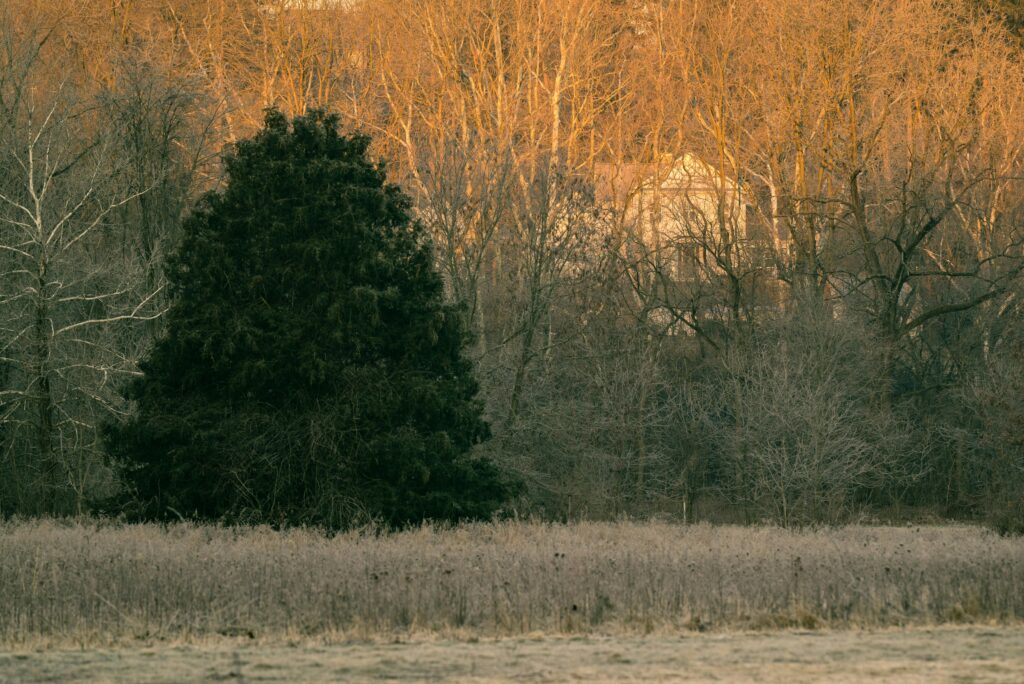
As the weather cools and days shorten, it’s time to set your lawn and garden up for success through the winter. With a few proactive steps, you can protect your plants and soil, ensuring they’re ready to burst into color and growth when spring returns. Follow this fall checklist to make winter a restful, restorative season for your lawn and garden.
Even if the summer heat left your lawn looking a bit weary, it’s busy gathering nutrients and building energy reserves for the colder months. Here’s how to support your lawn as it prepares to hibernate:
1. Mow Your Grass Short
As mowing season winds down, gradually lower your mower height to leave the grass short. This helps prevent issues like snow mold and gives your lawn a clean, tidy look through winter.
2. Fertilize for Strong Roots
While grass growth may slow, roots continue to develop. Applying a fall fertilizer encourages deeper roots and ensures your grass is primed to start strong in the spring.
3. Attack Weeds Now
Weeds are easier to control in the fall when they’re actively pulling in nutrients. Apply a weed killer to prevent weeds from bouncing back in spring.
4. Seed Bare Patches
Cool fall temperatures are ideal for patching up bare spots. If you recently treated for weeds, wait three to four weeks before sowing new seeds.
5. Aerate for Better Root Growth
Aerating your lawn in fall relieves soil compaction and opens up space for grass roots to grow. It’s an easy way to give your lawn a healthy foundation.
6. Remove Fallen Leaves
Rake and bag up those fallen leaves or add them to your compost pile. You can also mow over them to create a natural mulch, returning nutrients to the soil.
As fruit, veggie, and flower production winds down, it’s time to prepare your garden for its winter rest. By tending to a few details now, you’ll be rewarded with a vibrant garden come spring.
1. Divide and Plant Perennials
Dividing perennials like spring- and summer-blooming flowers gives them space to grow, and fall’s cooler temperatures are perfect for this. Plant the divisions in new areas for a fuller garden next year.
2. Plant for Fall Color and Spring Blooms
Fall is ideal for planting trees and shrubs, as well as colorful cool-weather plants like pansies, mums, and ornamental kale. Don’t forget to plant spring bulbs like tulips and daffodils to welcome spring with a burst of color.
3. Water Generously Before the First Frost
Give perennials, trees, and flowering shrubs a deep drink of water before the ground freezes. This helps them stay hydrated through winter’s dry months.
4. Dig Up Tender Bulbs and Harvest Root Crops
Bulbs like canna, dahlia, and gladiolus can’t handle freezing temperatures, so dig them up and store them in a cool, dry place. Harvest root veggies like carrots, potatoes, and beets before the ground freezes, too.
5. Cut Back Mums and Perennials
After the first few frosts, trim back mums and other perennials to help them withstand the winter. Cut off any diseased foliage, trim stems down to 3–4 inches, and pull out dead annuals to add to the compost.
6. Remove Weeds Before They Regrow
Pulling weeds in fall prevents them from reseeding, reducing the workload for spring. Add healthy weeds to your compost, but trash any diseased plants to avoid contamination.
7. Till the Soil to Prevent Pests
A gentle tilling can disrupt pests like Japanese beetle grubs that plan to overwinter in the soil, reducing pest problems in spring.
8. Feed and Mulch the Garden
Feed your soil with compost and cover beds with a layer of mulch to protect overwintering plants. Leaves you raked up can make an excellent mulch, adding nutrients as they break down.
Late June is a useful moment to slow down and look at the whole growing system. By now, the season has enough history to teach
Late June is when lawns start showing the truth about summer management. A lawn may have looked strong in May. It may have greened up
Give us a call or visit our store, and we’ll help you find the right solution for your business.
© Supply Solutions LLC 2026